Portuguese
  Spanish


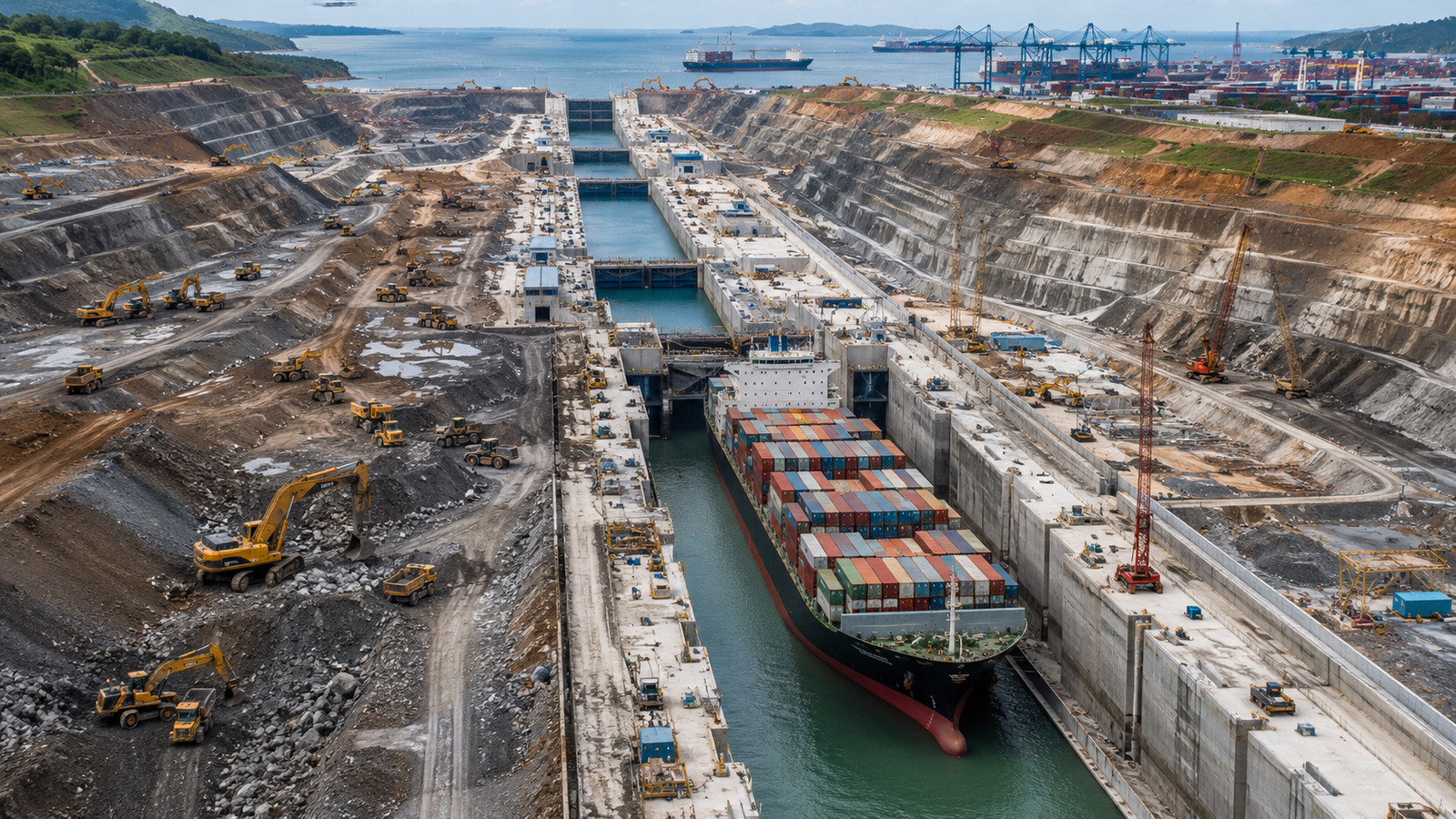

Project envisions access channels, large locks, automation, and structure for modern ships, but depends on financing, environmental licenses, mitigation of social impacts, and strict adherence to the schedule to get off the ground without new delays
The interoceanic corridor announced by Beijing aims to create a second link between oceans, with large locks, access channels, and structure for modern ships. The project seeks to shorten journeys, reduce waiting times, and expand logistical capacity, but will depend on financing, environmental licenses, control of social impacts, and adherence to a complex schedule. Planned to cross Nicaragua between the Caribbean and the Pacific, the project was resumed by the government in November 2024.
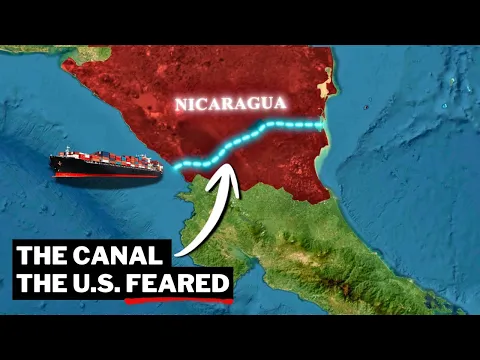

Interoceanic corridor bets on capacity and predictability
The proposal arises in a scenario where queues, interruptions, and capacity limitations can affect delivery times, transportation costs, and decisions made by shipowners, exporters, and importers.
The project intends to offer an alternative to the century-old passage located in Central America. The intention is to direct part of the maritime traffic to a second artery, increasing the options available for containerized and bulk cargoes.
-
Brazil saved US$ 32.4 billion in 2025 by switching from fossil to renewable energy and only ranked behind China and the United States on the IRENA global podium.

-
A company from SC that moves R$ 125 billion in agribusiness is integrated into an international group, maintains its headquarters and jobs in Chapecó, and is preparing to expand software for cooperatives, grain companies, and industries while targeting new markets without leaving the western region of Santa Catarina.
-
Portugal “hides” gold reserves of 382 tons valued at 47 billion euros in an armored building, and the story involves gold from colonial Brazil, Nazi Germany, and a fortune that once amounted to 866 tons.

-
Truck drivers avoid deliveries to supermarkets due to waits that can hinder trips, increase costs, and leave vehicles idle, while the law limits loading and unloading to five hours and provides for payment for the excess time.




With more than one corridor, shipping companies could better distribute their routes and negotiate passage conditions.
The expansion of capacity could also reduce dependence on a single crossing point between the oceans.
The presented design combines access channels, large lock systems, and expansion of areas designated for maneuvers.
The infrastructure would be prepared to receive next-generation container ships, with greater depth and wider basins.
Automation appears as one of the tools planned to speed up operations and organize passage windows.
The model also considers modular phases, which could allow partial operation before the full completion of the works.
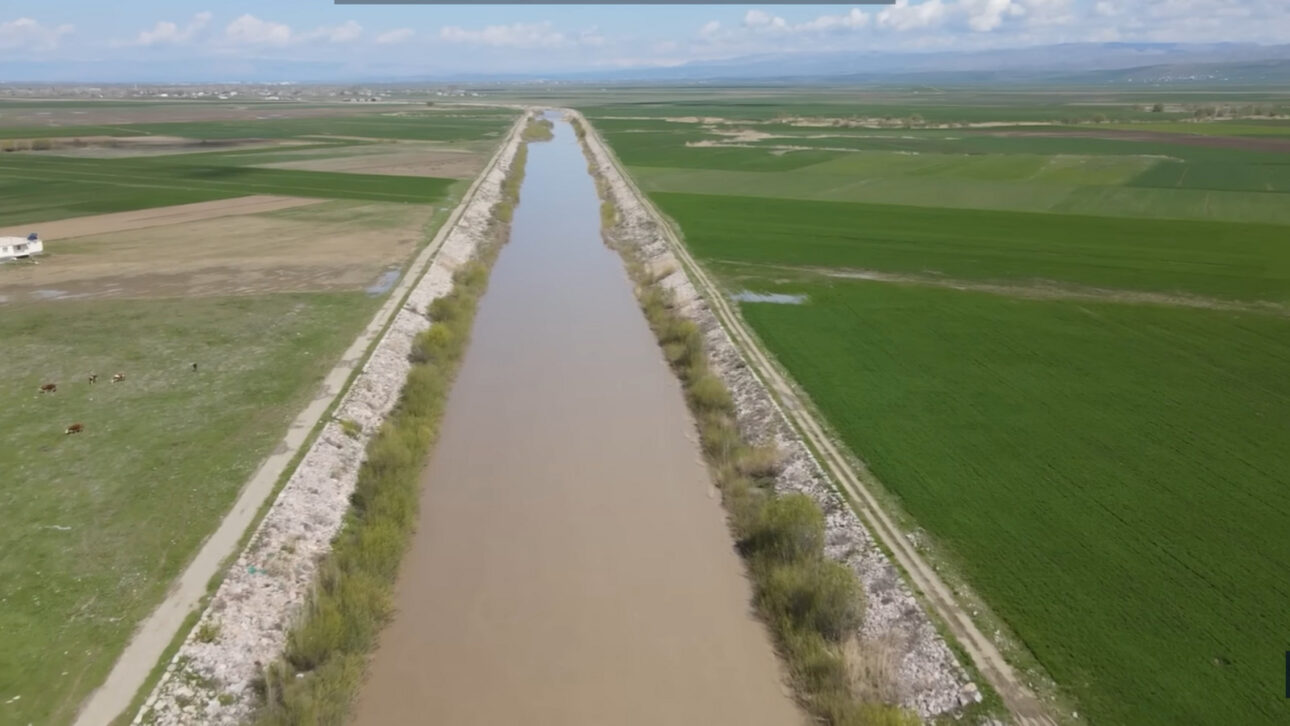
Project depends on financing, licenses, and schedule
Despite the logistical ambition, the interoceanic corridor will require long-term investments and coordination between different stages.
The material describes the venture as a decades-long and billion-dollar project, without presenting a total value or definitive deadline.
Execution will need to consider rainy periods, authorizations, supply of steel and cement, and availability of equipment.
Delays in one of these fronts can affect other stages and compromise the forecast for operation start.
The market should monitor the construction milestones, the financing structure, and the tariff charging model.
The hiring of experienced operators will also be an important indicator of the initiative’s maturity.
Another point will be the connection with ports located on both oceans. Railways, logistics zones, and storage areas will need to keep up with the increased flow to prevent new bottlenecks from being transferred outside the canal.
Environmental and social impacts enter the center of the discussion
The construction of large channels can alter territories, ecosystems, and water sources. Among the cited risks are salinization, silting, interference with fauna, and displacement of communities located along the route.
These effects will require mitigation plans, permanent monitoring, and consultations with affected populations.
Public acceptance and compliance with environmental requirements will be necessary for the project to obtain authorization and maintain its operation.
The Chinese proposal associates precision engineering with sustainability standards. The stated goal is to reduce the carbon footprint during construction and in daily operation, although the material does not detail goals, technologies, or control mechanisms.
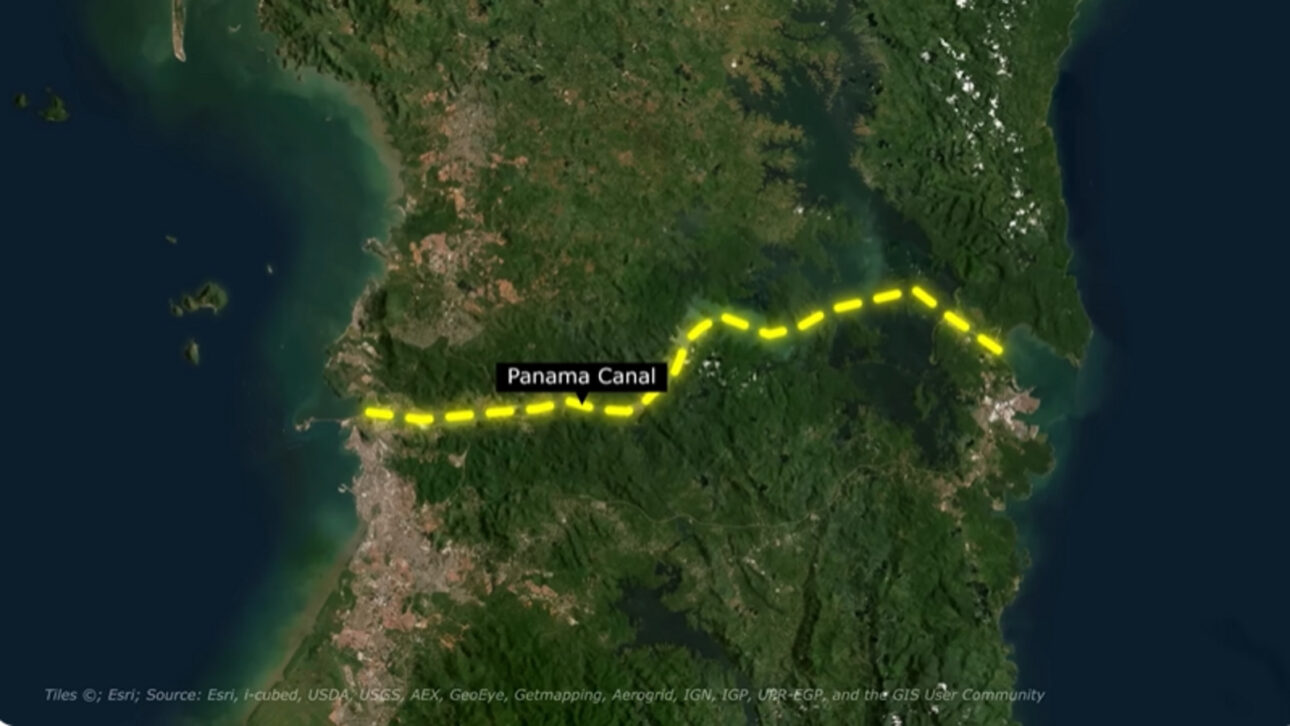
New route may alter tariffs, insurance, and logistical power
The existence of two corridors would give shipowners greater power to negotiate tolls and passage schedules.
Insurers could also review premiums, safety requirements, and risk calculations based on the performance of the new route.
Exporters working with time-sensitive goods could prioritize the faster alternative. Other operators might choose cheaper routes, even with longer waits, depending on the value and urgency of each shipment.
The project also has a geopolitical dimension. The new infrastructure could redistribute revenues, expand Chinese influence over maritime routes, and alter relations between countries involved in international trade.
The traditional route would remain relevant but would face a competitor interested in attracting part of the traffic.
The outcome will depend on operational capacity, tariffs, safety, and the regularity of the crossings offered.
This article was prepared based on the information present in the provided source material, with data, numbers, and statements preserved as per the consulted content.