






 Portuguese
  Spanish
  3 min of reading
  0 comments


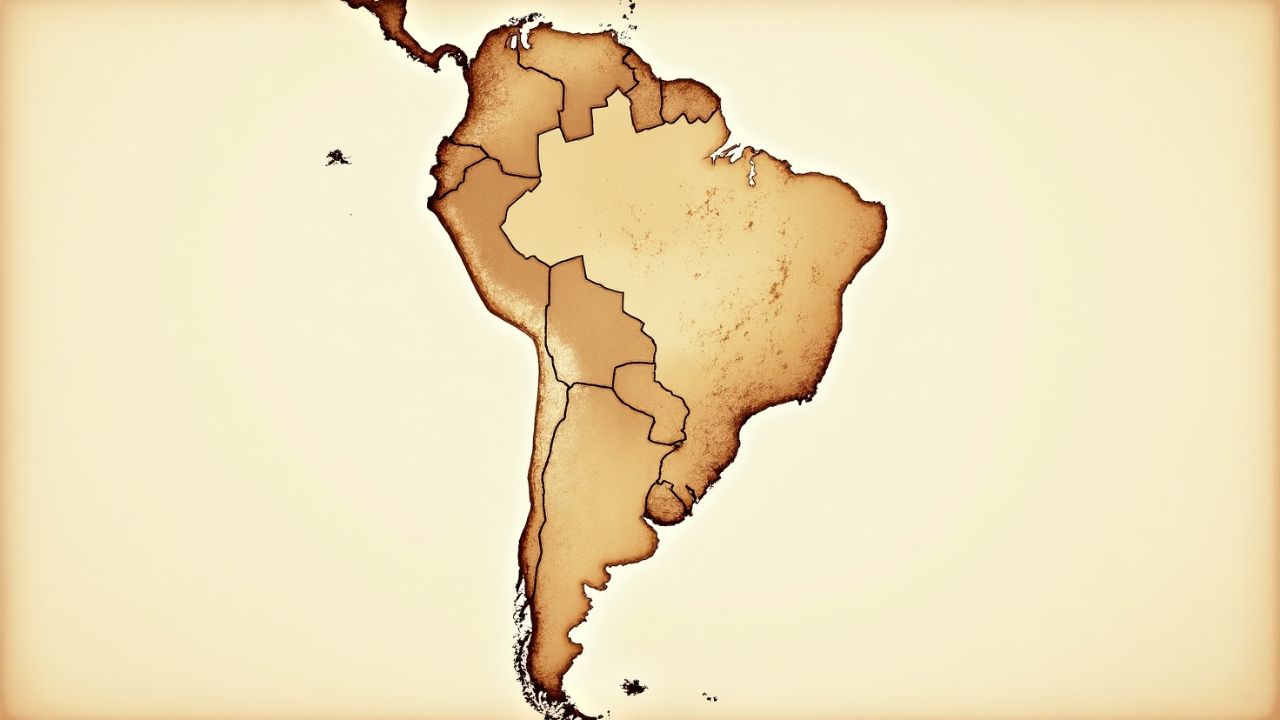
Water Is an Essential Resource for Human Survival and the Maintenance of Ecosystems. However, Despite 70% of the Earth’s Surface Being Covered by Water, Only a Small Fraction Is Suitable for Consumption. In Brazil, Which Holds 12% of the Freshwater in the World, the Irregular Distribution of This Resource Represents a Major Challenge, Especially in Drier Regions Like the Northeast, and It Can Lead to Water Scarcity in Brazil.
In Light of This Scenario, the Government Issued a Warning About the Possibility of Water Scarcity in Brazil, Highlighting the Need for Preventive Measures to Avoid a Supply Crisis. With Increasingly Intense Drought Periods, Experts Emphasize the Importance of Conscious Consumption and Strategies to Ensure the Sustainability of the Available Water.
The Challenge of Water Scarcity in Brazil
Although Brazil Is a Privileged Country in Terms of Water Resources, the Unequal Distribution of Freshwater Is a Recurring Problem. While Most of the Water Is Concentrated in the Amazon Basin, Regions Like the Northeast Have Only 5% of the National Reserves, Making Them More Vulnerable to Scarcity.
This Imbalance Directly Affects Millions of Brazilians Who Depend on Emergency Solutions, Such as Supply by Water Trucks. The Lack of Water Impacts Not Only Human Consumption but Also Essential Activities Like Agriculture and Livestock, Sectors That Suffer from Prolonged Drought Periods.
-
Brazilian Joins Homeownership Consortium, Faces Decade of Dual Payments Totaling $141,000, Surpassing Traditional Mortgage

-
Land Rover to Halt Production in July, Putting 371 Jobs at Risk, as Chinese Automaker Negotiates to Convert Factory to 100,000 Vehicles Annually by 2027

-
Mexican Pest Threatens U.S. Cattle Herds at Historic Lows, Potentially Boosting Brazilian Beef Exports as Burger Prices Soar

-
Brazilian Freight Bill Progresses in Congress with $5,000 Minimum Wage, 70% Advance Payment, and Fines Up to $1 Million, as Agriculture and Industry Warn of Rising Costs and Legal Uncertainty


Most Affected Regions and the Impacts of Drought
The Majority of Brazil’s Freshwater Is Found in the North, While States in the Northeast and the Central-West Frequently Face Difficulties in Ensuring Regular Supply. The Low Water Availability in These Areas Requires Planning and Investments to Minimize the Impacts of Drought.
Water Scarcity Compromises Not Only Family Consumption, But Also the Local Economy. Agriculture, One of the Main Economic Activities in the Country, Suffers from the Lack of Irrigation, Resulting in Reduced Production and Increased Food Prices. Drought Can Lead to Water Rationing in Cities, Affecting Daily Life for the Population and Requiring a Collective Effort to Save the Resource.
The Role of DNOCS in Water Resource Management
To Address the Challenges Posed by Water Scarcity in Brazil, the National Department of Works Against Droughts (DNOCS) Develops Projects Aimed at Improving Infrastructure and Sustainable Water Management. The Institution Works on the Construction of Dams, Reservoirs, and Catchment Systems to Ensure Supply for Populations Most Affected by Drought.
Among DNOCS’s Main Initiatives Are:
- Drilling Artesian Wells in Areas of Extreme Need, Ensuring a Permanent Water Source for Rural Communities.
- Implementation of Cisterns for Rainwater Storage, Reducing Dependence on External Supply.
- Irrigation Programs to Strengthen Family Farming and Allow Food Production Even During Prolonged Drought Periods.
These Actions Are Essential to Ensure the Socioeconomic Development of Affected Regions, Minimizing the Impacts of Drought and Ensuring Access to Drinking Water for Millions of Brazilians.





Be the first to react!