






 Portuguese
  Spanish
 5 min of reading
  0 comments


RS Government Announces Train Between Porto Alegre and Gramado with 1-Hour Journey, R$ 4.5 Billion in Investments and Generation of 22 Thousand Jobs. Project Promises to Revolutionize Mobility and Tourism in the South.
The government of Rio Grande do Sul took a historic step by announcing the construction of a passenger railway between Porto Alegre and Gramado, with a travel time of 1 hour, a private investment of R$ 4.5 billion, and the generation of over 22 thousand jobs. The initiative, unprecedented in the country for being a state private concession for passenger transport, was officially announced by Governor Eduardo Leite at a ceremony at the Palácio Piratini on Thursday (7/8).
The project, which will be implemented by the company SulTrens, provides for the construction of two independent railway tracks, one for each direction, passing through 19 municipalities along the route and directly influencing 22 cities in the Metropolitan Region and the Serra Gaúcha.
Porto Alegre-Gramado Train: Mobility, Tourism and Economic Development
The railway will have strategically positioned stations, starting just 700 meters from Salgado Filho Airport in Porto Alegre and arriving at Avenida das Hortênsias, between Gramado and Canela — the tourist epicenter of Serra Gaúcha.
-
Railway returns to prominence in Brazil after STF approval: a R$ 25.2 billion project promises to save R$ 9 billion in freight, transport 50 million tons per year, and transform Sinop into a logistics powerhouse for agribusiness.

-
Retired trains leave European tracks and become tons of steel, aluminum, and copper in dismantling yards where recycling exceeds 90%, but batteries, composites, and electronics create a new frontier of railway waste.

-
The strategic railway of Santa Catarina will receive R$ 608 million, will undergo historic modernization, and could transform logistics between Mafra and the Port of São Francisco do Sul.
-
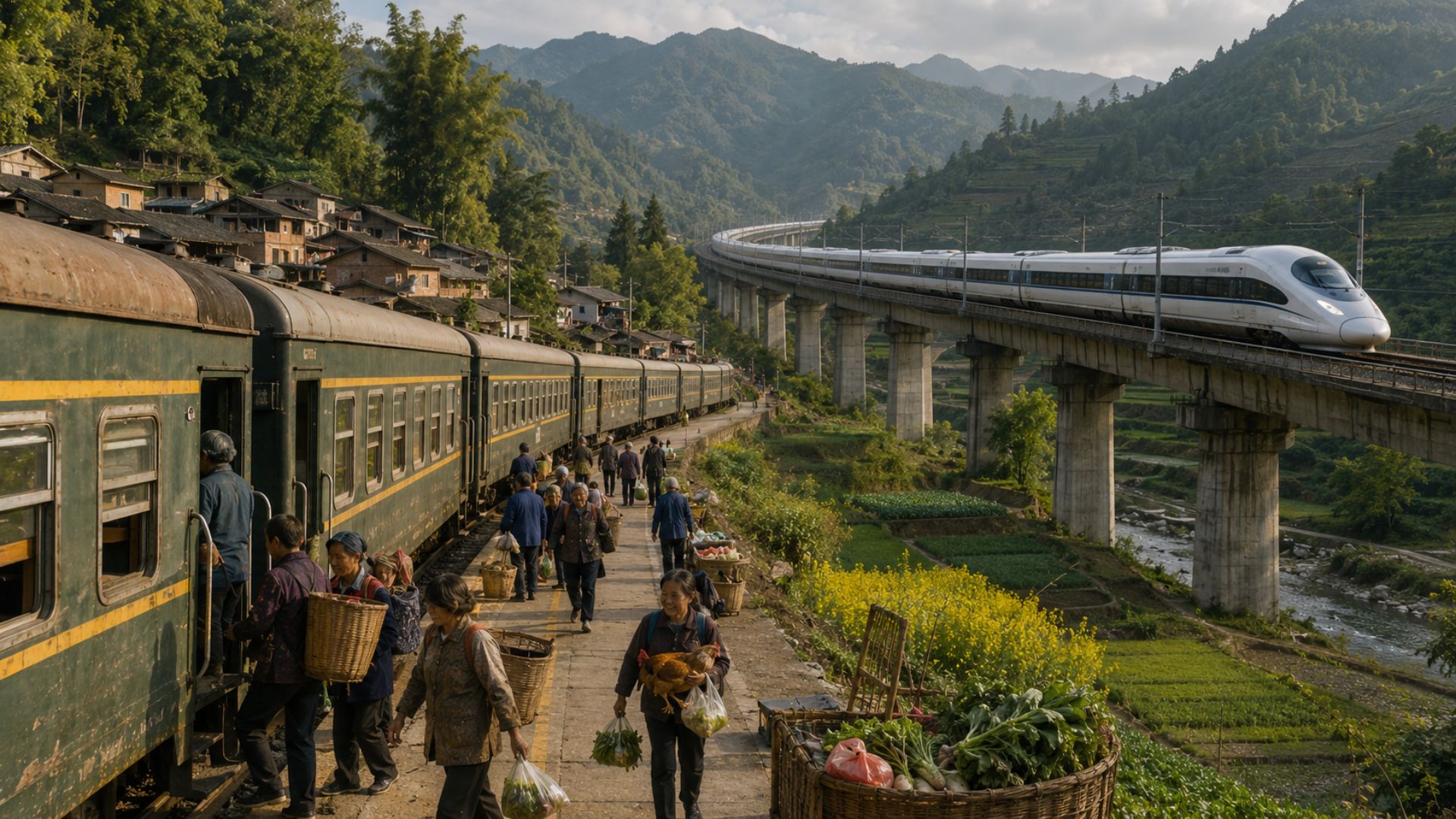
While showcasing bullet trains traveling at over 300 km/h, China maintains about 81 slow train lines that travel at 40 km/h, charge less than R$ 2 for a ticket, and cross remote villages carrying residents, students, and even chickens and vegetables to the market.


The new passenger train in RS will provide not only a quick, modern, and safe alternative to road transport but will also boost tourism and the regional economy, reducing traffic on highways and promoting low carbon emissions with trains powered by electricity and diesel.
The journey, which currently can take up to 4 hours by car on peak days, will be made in 60 minutes, becoming one of the most promising railway connections in the country for regional transport.
R$ 4.5 Billion in Mobility: Milestone in the Railway Project of RS
The project, 100% financed with private capital from SulTrens, includes a concession valid for 99 years for the implementation, operation, and exploration of the railway line.
According to the state government, the concession was only possible due to the fiscal stability and legal security achieved through structural reforms that made RS attractive again for large investments.
With construction expected to begin in the coming years and commercial operation scheduled to start within 7 years, the railway will include:
- 27 road-rail crossings
- 15 bridges and viaducts, including one passage over the FreeWay (BR-290)
- 9 railway tunnels, necessary to overcome the topographical challenges of the Serra
Additionally, the concessionaire will be required to submit quarterly reports to the Logistics and Transport Secretariat (Selt), responsible for overseeing the execution of the contract.
Over 22 Thousand Jobs with New Railway in the South
The economic dimension of the project is significant: it is estimated that 6,747 direct jobs and 15,976 indirect jobs will be created during the implementation and operation period, totaling 22,723 job positions.
For Governor Eduardo Leite, this is a turning point for Rio Grande do Sul. “Today, we have a state with investment capacity, a stable environment, and legal conditions to attract large projects. This train is more than infrastructure: it is tourism, jobs, economy, and pride for our people,” he stated.
Passenger Railway Transport Gains New Life in Brazil
The initiative by the RS government marks an important moment for passenger railway transport, which has been almost stagnant in Brazil for the past few decades.
With the unprecedented state authorization, RS can pave the way for a new model of railway concessions aimed not only at freight transport but also at the movement of people between large urban centers and tourist hotspots.
According to the Secretary of Logistics and Transport, Juvir Costella, the proposal is inspired by European models of intermunicipal mobility. “This is a modern, technical project with a long-term vision, aligned with the most efficient practices in public transport and sustainable mobility,” he said.
RS Railway Project Should Promote Tourism, ICMS and Local Infrastructure
In addition to facilitating travel between Porto Alegre and Gramado — one of Brazil’s most visited tourist routes — the train promises to increase state and municipal revenue by stimulating commerce, hospitality, gastronomy, and other sectors related to tourism.
The government predicts that the project will generate direct impact on ICMS revenue and boost small businesses in dozens of cities along the railway line.
Investments in Mobility in the South Go Beyond the Railway
During the same event, the governor also signed orders to initiate asphalt access works in the municipalities of Quevedos and São José das Missões, with investments of R$ 55 million. These sections reinforce the infrastructure development package promoted by the state to improve urban and rural mobility across all regions.
Eduardo Leite Highlights New Phase of Rio Grande do Sul
“We are turning a page. Today, RS has the necessary conditions to host truly structuring projects,” Leite said. “With this new railway model, we are showing that it is possible to think big and deliver concrete results.”
The administrator of SulTrens, Renato Ely, also celebrated the progress: “This railway is just the beginning. We want visitors to take home from Rio Grande do Sul the experience of the most modern mobility and tourism.”
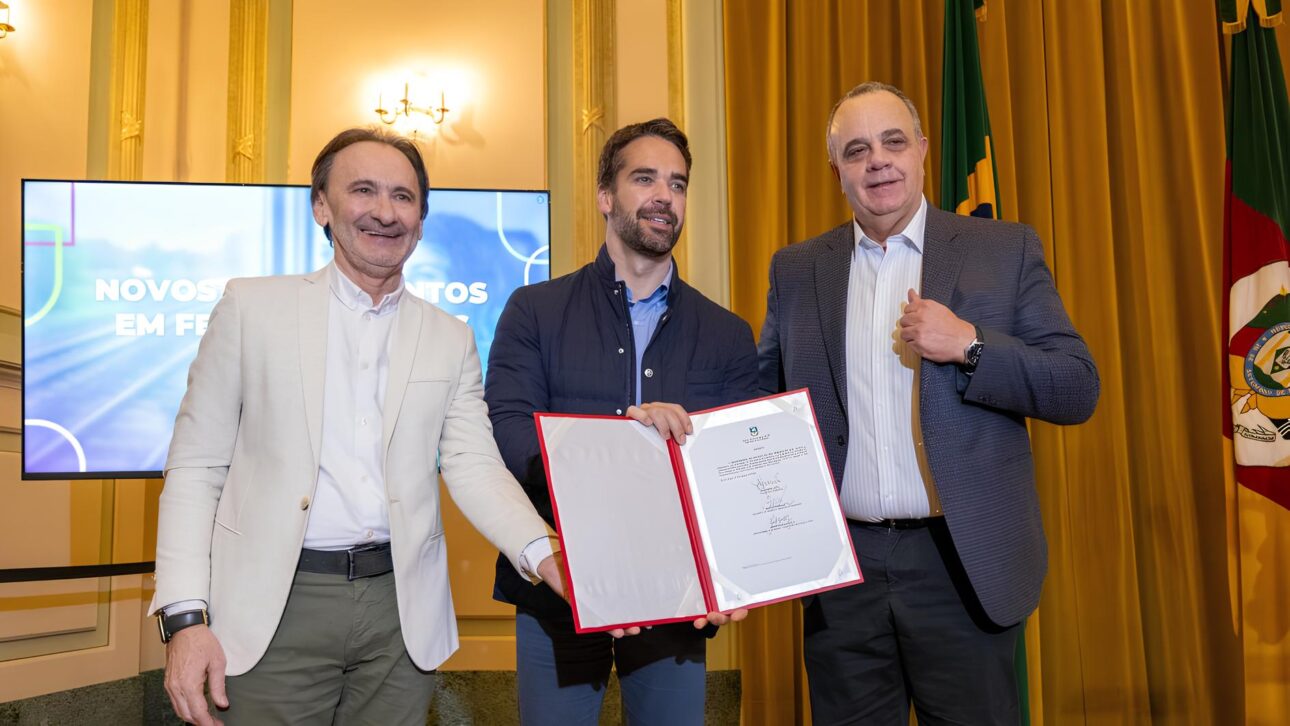
The new Porto Alegre–Gramado passenger train project represents a historic turning point in the mobility of Rio Grande do Sul, uniting technology, sustainability, and economic development with a direct impact on tourism and job creation.
With R$ 4.5 billion in investments, a travel time of 1 hour, over 22,000 job openings, and a focus on modern infrastructure, RS positions itself as a national reference in railway projects aimed at passenger transport, demonstrating that it is possible to unite private initiative and long-term public vision for the benefit of the population.







-

1 person reacted to this.