






 Portuguese
  Spanish




Brazilian Government Allocates Over 900 Million Reais for the Purchase of Weapons and Ammunition, Causing Controversy Over the Use of Public Resources. The National Force Will Receive Rifles and Shotguns to Strengthen Security, While Experts Discuss the Priority of This Measure.
The impressive amount that the Brazilian government is allocating for the purchase of weapons and ammunition is causing controversy and concern among public security experts.
While many defend the need to better equip security forces, others question whether this is the best way to use public resources amid so many other urgent needs in the country.
The Ministry of Justice and Public Security announced it will invest R$ 244.5 million in the purchase of 7.62 caliber rifles and 12 caliber shotguns for the National Security Force.
-
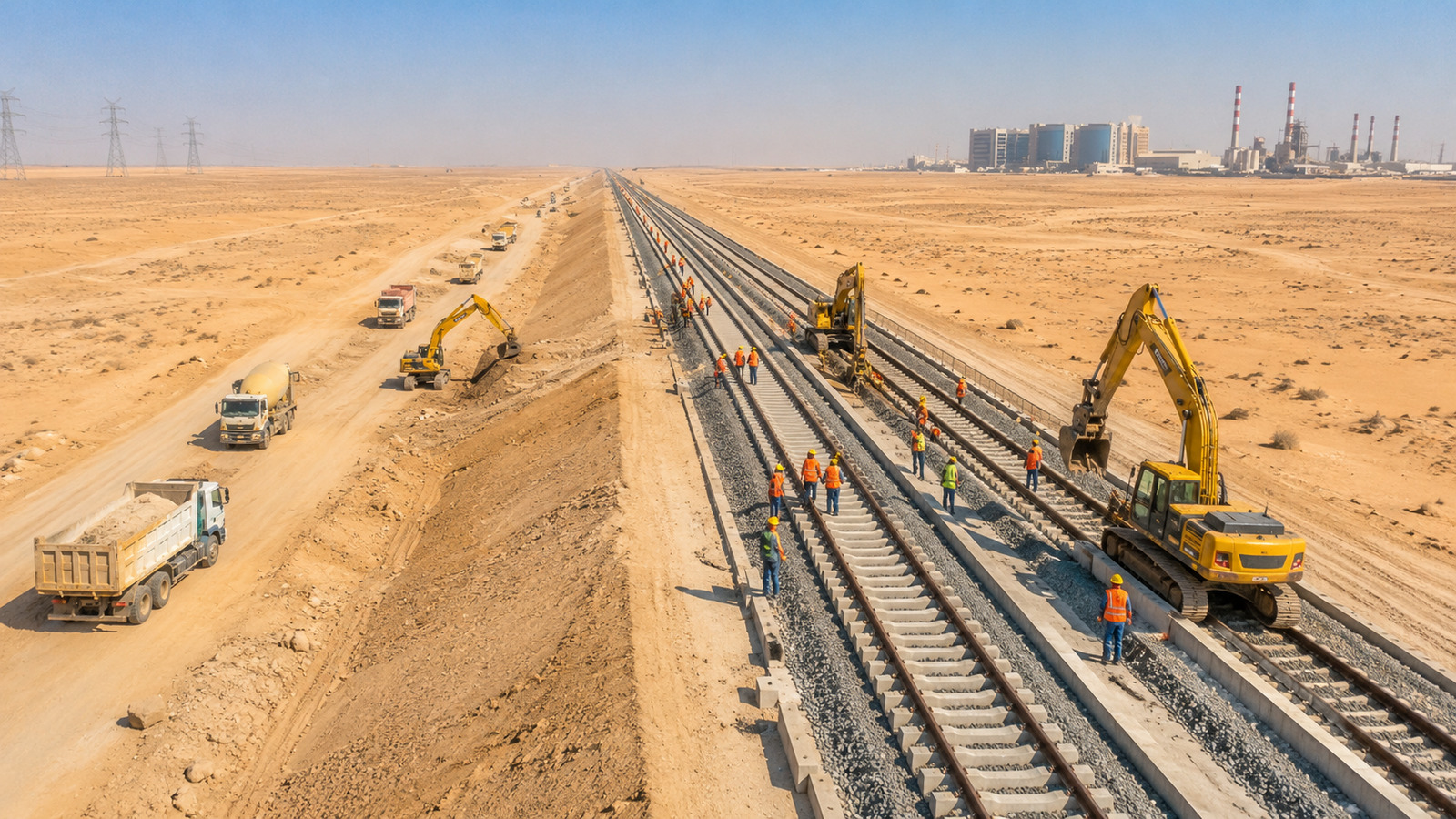
Saudi Arabia to Connect Border with Kuwait to UAE with Massive 672 km Railway as Part of 2,186 km Megaproject to Transform Gulf Transport

-
Polish Billionaire to Invest £35 Billion in Building 14 Small Nuclear Reactors Across the UK for Over 60 Years of Energy Production
-
White Martins CEO Plans $200 Million Investment by 2026, Boosts Focus on Industrial Gases and Green Hydrogen in Brazil

-
$1.5 Billion Project to Deploy 2,000 LNG Trucks and Establish Brazil’s Largest Gas-Powered Heavy Transport Network



The National Secretariat of Public Security (Senasp) opened a bidding process on Friday (02), anticipating the acquisition of 7,174 shotguns and 6,831 semi-automatic rifles. These weapons will be delivered on demand, that is, as needed.
Currently, the National Force has a mobilized workforce of 1,300 agents and another 42,800 qualified to provide service, according to data from the Ministry of Justice. This workforce is composed of experts and agents from the civil and military police, provided by the Brazilian states through agreements with Senasp. In exchange, the states receive weapons and equipment to reinforce security.
In May, the federal government had already opened a bidding process worth R$ 672.4 million for the purchase of 33,910 semi-automatic rifles in 5.56 caliber, 35,447 adjustable flashlights, and 34,346 optical sights. These weapons would be intended for the states that ceded members of their police to the National Security Force for a period of 12 months, as per the cooperation agreement established between the states and the Union.
According to Metrópoles newspaper, the justification for the acquisition of this weaponry, totaling over 900 million reais, is the need to update the arsenal and maintain the weapons. In the official document, each semi-automatic rifle was estimated at R$ 28,800, and each 12 caliber shotgun at R$ 6,100.
“The National Force has acted preventively and repressively in crisis situations that compromise public order and in actions planned by the Public Policy Department of the Ministry of Justice and Public Security, with an emphasis on the policies and axes of Senasp”, justified the notice.
“To achieve the objectives with excellence, it is imperative to equip the National Force with modern, efficient weaponry suitable for the characteristics of each operation”, the entity concluded in the document.
The rifles must come with a sling and carrying bag, as well as five magazines for the 7.62 caliber. These rifles must also have a predominant black color, including the exterior of the magazines, first-class finish, and must be suitable for the use of both national and imported ammunition.
Meanwhile, the 12 caliber shotguns must include a set of sights consisting of front and rear sights with vertical and horizontal micrometric adjustment, adjustable rear sight, fixed front sight, and picatinny rail.
The weaponry needs to have a feeding system via a tubular magazine parallel to the barrel, with a storage capacity of between 5 and 7 standard cartridges, also allowing for the use of non-lethal ammunition.
Do you agree with this massive investment in weaponry by the National Force, or do you think these resources could be better applied to other priority areas in the country? Leave your opinion in the comments!


