






 Portuguese
  Spanish


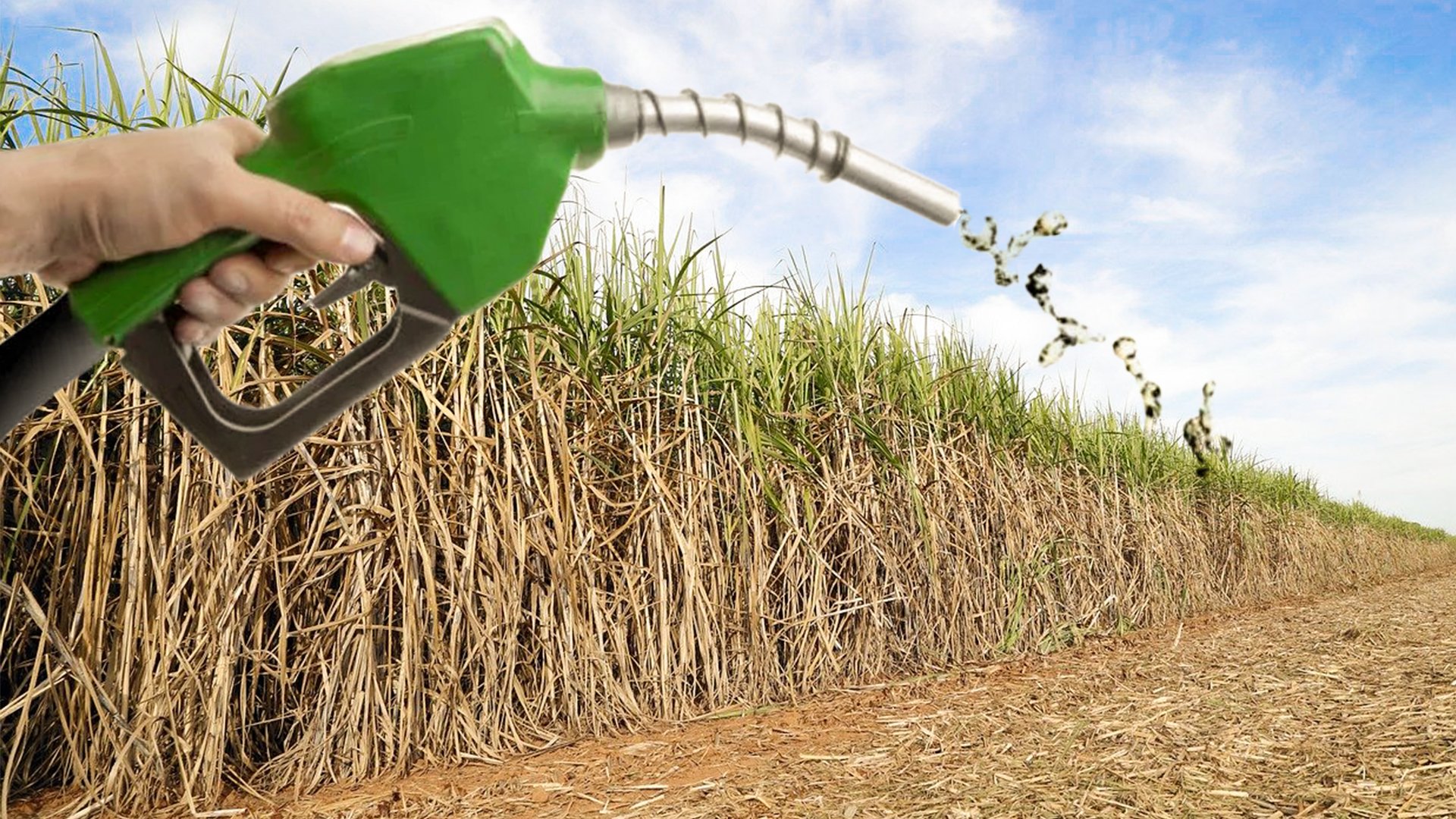

The Federal Government And The Sugarcane Industry Support Ethanol As An Alternative For Electric Cars And Assert That The Biofuel Has A Much Smaller Carbon Footprint Throughout Its Whole Lifespan
The world is preparing for the 26th United Nations Conference on Climate Change, which will take place from October 31 to November 12 in Scotland, and the Federal Government along with the sugarcane industry plan to promote the use of ethanol as a good alternative in the new scenario of electric cars. The delegation, which will represent the country and the sugarcane industry at the conference, will showcase the benefits of ethanol, which claims to have lower carbon emissions than conventional electric cars.
Read Also
With Entry-Level Electric Car Prices, Ethanol May Be The Only Solution In Brazil
Having been a long-standing alternative to gasoline in Brazil, especially with the arrival of flexible-fuel cars, the fuel produced from sugarcane is increasingly at the center of the debate with the shift to electric cars. There are several lines of thought, which, like the Federal Government, state that ethanol can play an important role in this new scenario.
-
At 14 years old, she worked in a factory in Hong Kong, studied economics abroad, and then entered the Chinese real estate market, which helped change the landscape of Beijing.

-
While NATO secured more than $10 billion in missiles and space surveillance at a single forum, Brazil still spends 1.1% of its GDP on defense and is stalling its own anti-aircraft system.

-
Corn ethanol attracts R$ 23 billion in 21 new plants and prepares for a nearly 50% jump in Brazilian production by 2027, even with high interest rates.
-
A newly opened terminal in the middle of the Amazon has begun transporting soy and corn through Amapá, eyeing the queue of ships that is congesting the ports in the South.


Supporters of electric cars, as the only option to reduce emissions, are eliminating biofuels from the list of options based on the anticipated end of internal combustion engines in the coming years. However, the sugarcane industry sees it differently.
The chairman of the board of directors of Copersucar, Luís Roberto Pogetti, states that ethanol will be an alternative to electric cars, but it all depends on the context of each region. The executive emphasizes that the fuel produced from sugarcane has a cleaner carbon footprint than that of a battery electric car, if one considers the entire lifecycle of the system.
Government Rebuts The Idea That Ethanol Could Cause Forest Deforestation
According to a report published by Invest Exame, documents accessed by the British agency BBC state that the Federal Government defended ethanol before the Intergovernmental Panel on Climate Change (IPCC), which is responsible for preparing the climate report used by the Federal Government and serves as the basis for discussions at the UN Climate Conferences.
In general terms, IPCC researchers claim that the production of ethanol and other biofuels generates deforestation for the cultivation of monocultures. This theory is rebutted by the Federal Government, which states that sugarcane cultivation occurs on already degraded areas and not on forests that have never been deforested.
Electric Cars May Have Lower Prices
Although electric cars have a more “salty” price, their cost is expected to drop significantly in the coming years. Their main component, the battery, has seen its price fall year after year, and with the development of new compositions, the outlook becomes increasingly favorable for electric vehicles.
Thus, the debate on the role of ethanol in clean mobility still presents a very interesting alternative, should it become economically and technically viable: the electric car equipped with an ethanol fuel cell.








