





 Portuguese
  English
  Spanish
  2 min of reading


Federal Government Measure Aims to Try to Reduce the Price of Goods in the Country Amid Inflation and Dollar Appreciation
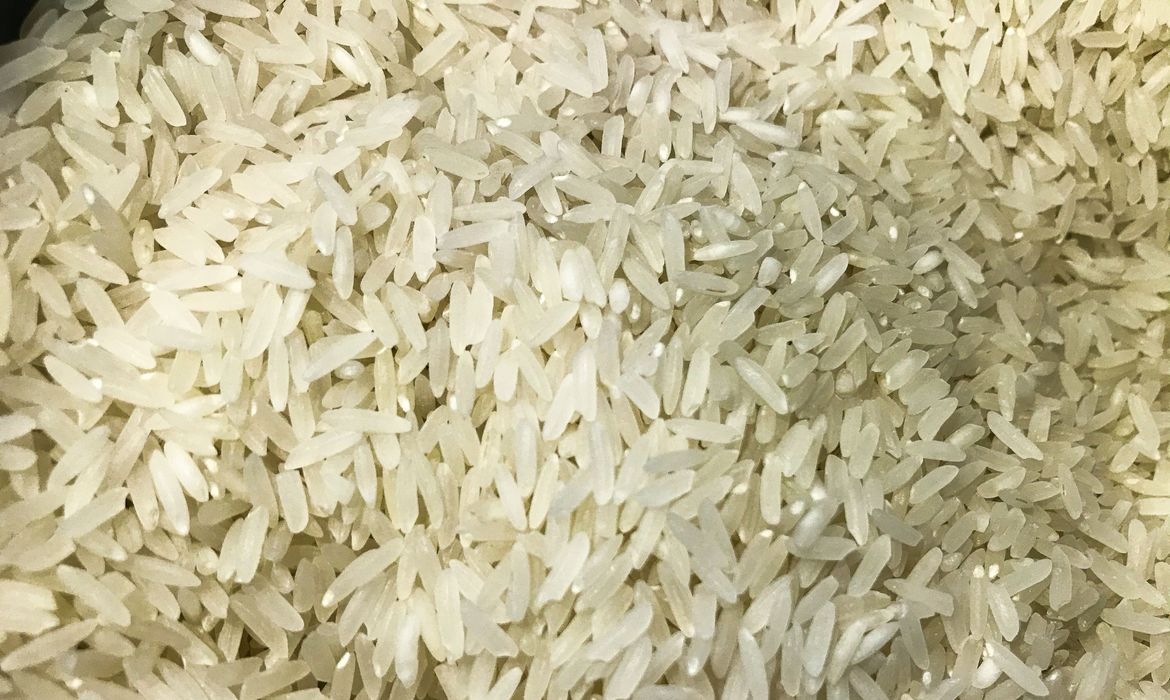
On last Monday (05/23), the Federal Government reduced the import tax rate by another 10% for more than 6 thousand tariff codes of the Common Nomenclature of Mercosur, also known as NCM. The government measure will impact goods such as meat, beans, pasta, cookies, rice, construction materials, among other goods that are part of the Common External Tariff.
The items had already benefited from a 10% reduction in November last year, according to resolution Gecex No. 269/2021. Taking the current measure into account along with the previous one, about 87% of the NCM tariff codes have been reduced to 0% or reduced by 20%. The Executive Management Committee (Gecex) approved the new measure at its first extraordinary meeting. The measure was approved exceptionally, valid until December 31, 2023.
What Are the Benefits of the Measure?
With inflation rising and money becoming increasingly tight for the population, the measure aims to reduce the cost of almost all imports made by individuals and companies. As a result, the trend is for the prices of these products to also decrease in the domestic market.
-
For the economist José Kobori, the USA gained a trump card to “blackmail” Brazil and undermine China’s influence by classifying the PCC and Comando Vermelho as terrorists, increasing the power to pressure companies, banks, and even Pix.

-
The labor shortage has changed its face in Brazil: companies hire 80% more, but workers stay only 6.8 months in the job, the service market becomes a “revolving door,” and businesses spend increasingly more to train teams that soon leave.

-
Chinese giant chooses SC to set up its first factory in Brazil, investing R$ 250 million and producing MRI machines costing R$ 10 million each, with 100 direct jobs and 5% of revenue allocated to research.

-
After selling a unit for R$ 115 million to pay off debts, a traditional factory in SC founded in 1932 has a new R$ 64.8 million plan denied by the court and retains about 690 workers in Joinville.



Impact of the Measure on the Economy
The Federal Government stated that the measure is a way to alleviate the negative consequences of Covid-19 on the country’s economy. The conflict involving Ukraine and Russia was also taken into consideration. Lucas Ferraz, Secretary of Foreign Trade, noted that the measure brings Brazil to a level similar to that of countries that are part of the OECD.
“Today’s measure, combined with the 10% reduction already made last year, brings the Brazilian tariff level closer to the international average and, in particular, to the countries of the Organization for Economic Cooperation and Development (OECD),” said the secretary.
The Secretariat of Foreign Trade (Secex) of the Ministry of Economy believes that the reduction of import tax will generate a chain reaction that will increase investments, imports, exports, and jobs in the country.


Chamber of Deputies Debates Ways to Reduce Fuel Prices
Another way to try to minimize the impacts of the economic crisis on the wallets of Brazilians is to reduce fuel prices. The Chamber of Deputies is studying a bill that aims to limit the ICMS rate to 17%. The bill is quite controversial, as it could cause a billion-dollar shortfall in municipal revenues.







Be the first to react!