






 Portuguese
  Spanish


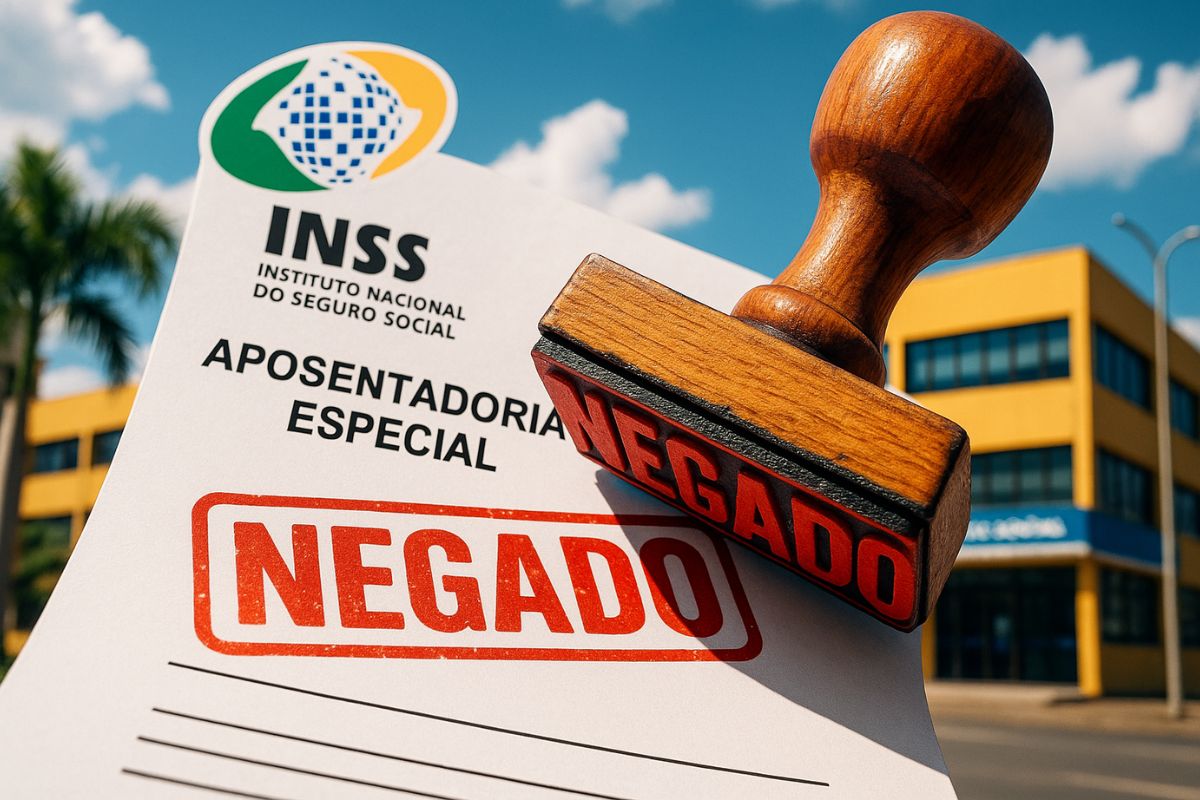


Court Rules That Municipal Guards Do Not Have The Right To Special Retirement From INSS. Brazilian Federal Court Reaffirms That The Category Is Not Included In The Role Of Security Agents Entitled To The Benefit.
The decision of the Supreme Federal Court confirmed that municipal guards do not have the right to special retirement from INSS, ending a legal dispute that had been dragging on for years. The judgment took place in the virtual plenary between August 1 and 8 and was reported by Minister Gilmar Mendes, who emphasized that the 2019 Social Security Reform established a closed list of categories eligible for the benefit.
According to a report from Folha de S. Paulo, this means that municipal guards will continue to be subject to general retirement rules, such as minimum age and contribution time. The decision disappointed the category, which expected to be equated with civil and federal police after being included in the Unified Public Security System (Susp).
Why Municipal Guards Were Not Included
The understanding of the Brazilian Federal Court is that the special retirement from INSS can only be applied to the categories expressly listed by the constitutional amendment of 2019. Among them are federal, highway, civil, military police, and prison agents.
-
Corn ethanol attracts R$ 23 billion in 21 new plants and prepares for a nearly 50% jump in Brazilian production by 2027, even with high interest rates.

-
A newly opened terminal in the middle of the Amazon has begun transporting soy and corn through Amapá, eyeing the queue of ships that is congesting the ports in the South.
-
Tesla injected an additional $250 million into the German factory, doubled the battery cell target, and opened its own production line for startups.
-
A 180-meter ship with a deck the size of a football field was christened to carry 25,000 tons of giant energy modules around the world.


According to lawyer Adriane Bramante from the Brazilian Institute of Social Security Law (IBDP), the decision does not represent a novelty but merely confirms already established jurisprudence. “This discussion had already been settled. The attempt to equate municipal guards to civil police had been rejected in prior rulings”, she stated.
What May Change In The Future
Despite the decision, there are still legislative loopholes. Projects in progress in Congress, such as PL 42/2023 and PLC 245/2019, aim to expand the scope of special retirement and could potentially include municipal guards in the future.
Furthermore, there is anticipation surrounding the ruling of Topic 1,209 of the court, which will discuss the right of security guards to special retirement. If the court recognizes this right, the decision could open the door for new discussions about the situation of municipal guards.
Current Retirement Rules
Without access to special retirement from INSS, municipal guards must follow the transition or permanent rules established by the 2019 reform:
- Minimum age: 65 years for men and 62 years for women.
- Contribution time: 35 years for men and 30 years for women.
- Transition rules: 100% toll of the remaining time, points system (age + contribution) or progressive minimum age.
Experts emphasize that only unhealthy activities or those involving exposure to harmful agents, such as mining, asbestos, and radiation, entitle one to special retirement and not merely the hazardous nature of the job.
Impact Of The Decision
For the category, the decision represents a setback in the demands for recognition of the risky activity, especially considering the formal inclusion in Susp. For the government, on the other hand, the decision preserves the sustainability of Social Security, as the expansion of categories could increase the system’s expenses.
The decision of the Brazilian Federal Court regarding special retirement from INSS makes it clear that, at least for now, municipal guards will not have access to this benefit. The change can only come through Congress or new understandings in future rulings.
And you, do you believe that municipal guards should have the right to special retirement from INSS or do you agree with the decision of the Brazilian Federal Court? Share your opinion in the comments — the debate is essential to understand the impact of this measure on public safety and Social Security.





Parabens por mais um deserviço desse lixo de governo