Portuguese
  Spanish


Before the railway modernization for trains up to 200 km/h, archaeologists identified marks of ancient houses, partial human remains, ceramics, bronze tools, and signs of metallurgy preserved in the Czech soil in the Haná region.
A project designed to bring trains to 200 km/h ended up revealing something that had been hidden for thousands of years beneath the soil of the Czech Republic. In the section of the future high-speed railway between Nezamyslice and Kojetín, archaeologists found more than 1,000 archaeological traces, including ancient houses, graves, bronze workshops, and an extremely rare tool used to make metal wires.
What was supposed to be just another stage of railway modernization turned into one of the most intriguing archaeological discoveries in the Haná region. In just 1.2 kilometers of preventive excavation, researchers identified signs of human occupation spanning different periods of history, from the Early Bronze Age to the Roman period.
The discovery is noteworthy because it unites two worlds separated by millennia. On one side, a modern infrastructure planned to accelerate European railway transport. On the other, marks of ancient peoples who built houses with wood and clay, worked metals, buried their dead in unusual ways, and mastered surprising techniques for their time.
-
From Humble Beginnings to Industry Leader: The 30-Year-Old Scrap Dealer Transforming Brazil’s $1.8 Billion Metal Recycling Sector

-
From Hotel Porter to CEO: Brazilian Entrepreneur Leads Travel Agency Serving Major Brands and Generating $270 Million in Revenue

-
From Selling Cleaning Products in Vans to Over 300 Franchises: Entrepreneur Targets $30 Million by Expanding into Professional Cleaning Services and Laundries

-
China Constructs 5.1 km Undersea Highway in Dalian Bay, Reducing Travel Time from 1 Hour to 5 Minutes




A modern railway opened a window to more than 3,000 years of history
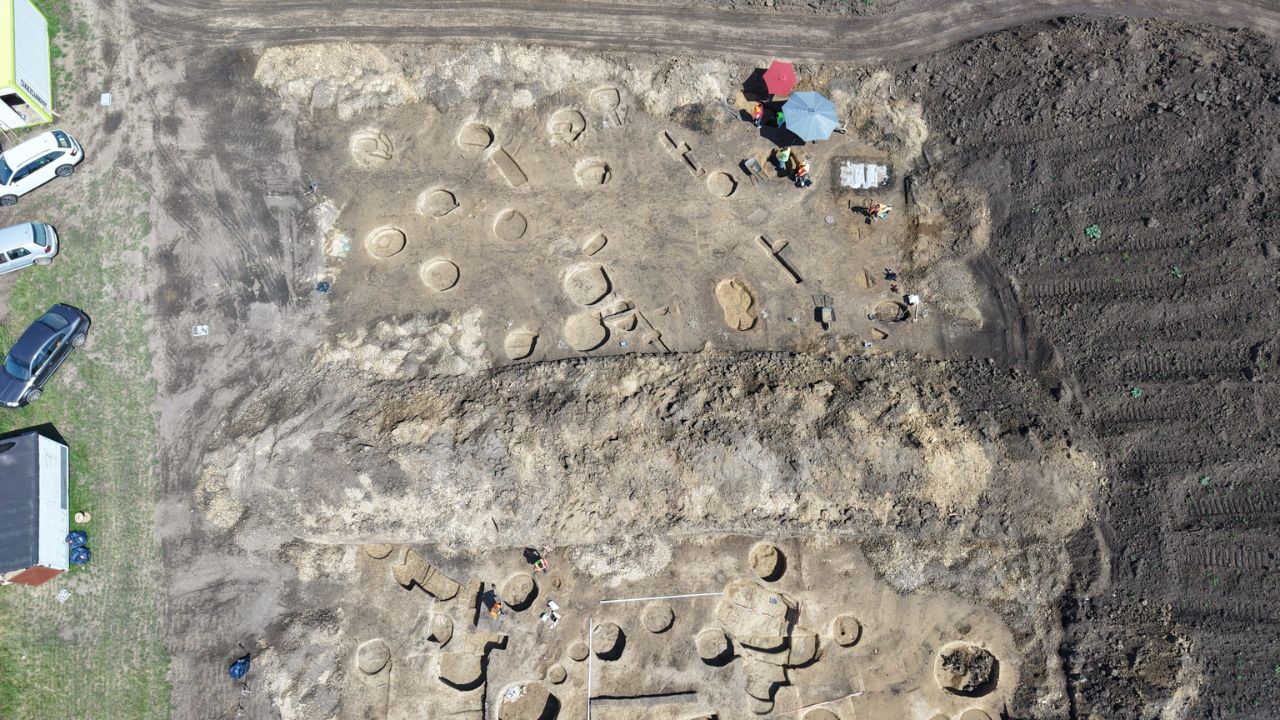
The excavation was conducted by the Archaeological Centre Olomouc between April and the end of October 2025. The work took place before the advancement of the Nezamyslice–Kojetín line, part of the modernization of the Brno–Přerov railway, one of the strategic projects to improve railway mobility in the Czech Republic.
The section will be adapted for faster trains, with double track, new safety systems, modernization of bridges, acoustic barriers, and advanced railway technology. However, before the tracks of the future were laid, the past appeared on a scale that surprised the experts.
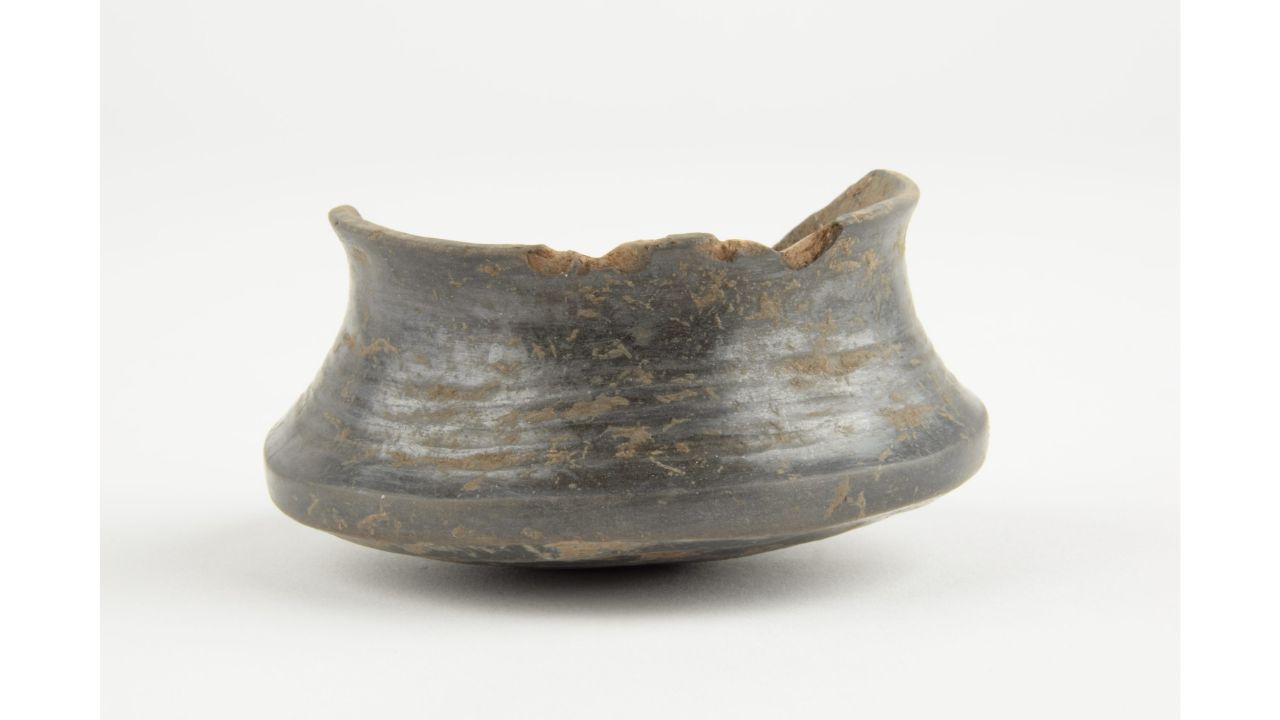
The archaeologists recorded more than a thousand ancient structures and objects along the route. The material includes pottery fragments, remains of constructions, graves, bronze pieces, stone molds, tools, and evidence of metallurgical activities. It is not just isolated pieces, but a broad set that shows how different communities lived in that area over centuries.
Burnt houses, hardened clay, and signs of an ancient village
Among the oldest finds are the vestiges associated with the Věteřov culture, linked to the Early Bronze Age. Researchers found marks of houses built with wooden posts, walls made with interwoven branches, and clay coating.
The most impressive detail is that part of this clay was preserved because the constructions suffered fires in the past. With the heat, the material hardened and retained marks of the original structure. This allowed archaeologists to observe signs of the ancient walls, finishes, and even possible decorative elements.
These houses were not simple holes in the ground. They show an organized society, capable of building dwellings with technique, using local resources, and maintaining a relatively structured community life. For those who imagine the Bronze Age as a rudimentary period, the find reveals a much more sophisticated scenario.
Graves within the settlement increase the mystery
In the same archaeological phase, researchers identified two graves within the inhabited area. One of them contained the remains of an adult and a child, a detail that will be analyzed by anthropology specialists.
This type of burial raises important questions. Why were some people buried inside or near the settlement? Was there any specific family, ritual, or social bond? The answers still depend on laboratory analyses, but the context already indicates that the place had symbolic value for its inhabitants.
Six skulls side by side and a ritual that still intrigues archaeologists
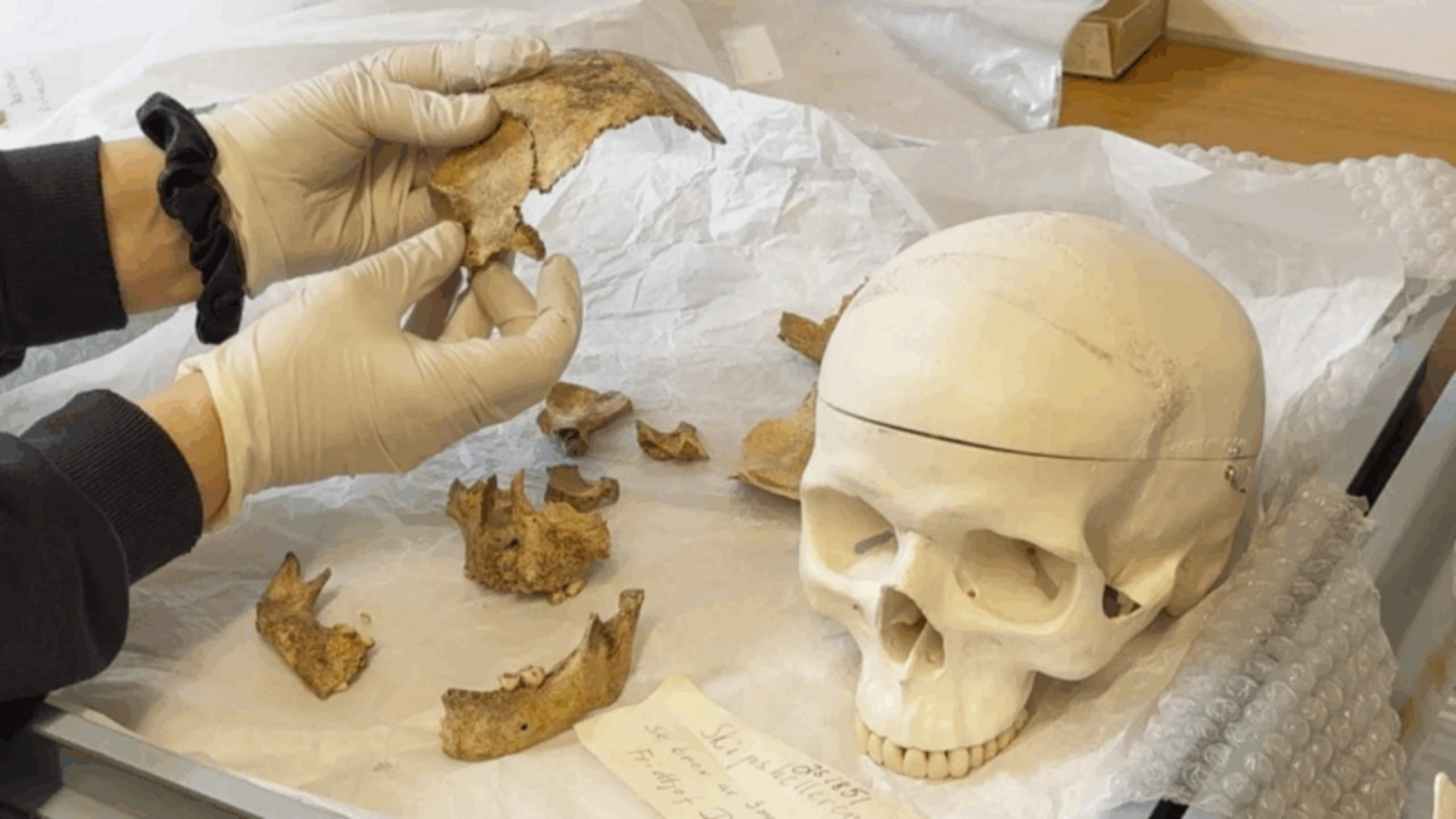
Another highlight of the discovery involves the Urnfield culture, known for funeral practices related to cremation. In this context, archaeologists found four structures with partial human remains.
The most striking case was a structure where there were six human skulls placed side by side. The scene immediately draws attention, but researchers avoid hasty conclusions. There is no basis to claim it is a massacre, execution, or ritual violence.
What makes the find so important is precisely the contrast with the expected funeral custom for this group. Since cremation was common, the presence of partial human remains may indicate a special practice, perhaps linked to rituals, ancestral memory, or some type of symbolic treatment of the dead.
Bronze workshops show advanced technology for the time
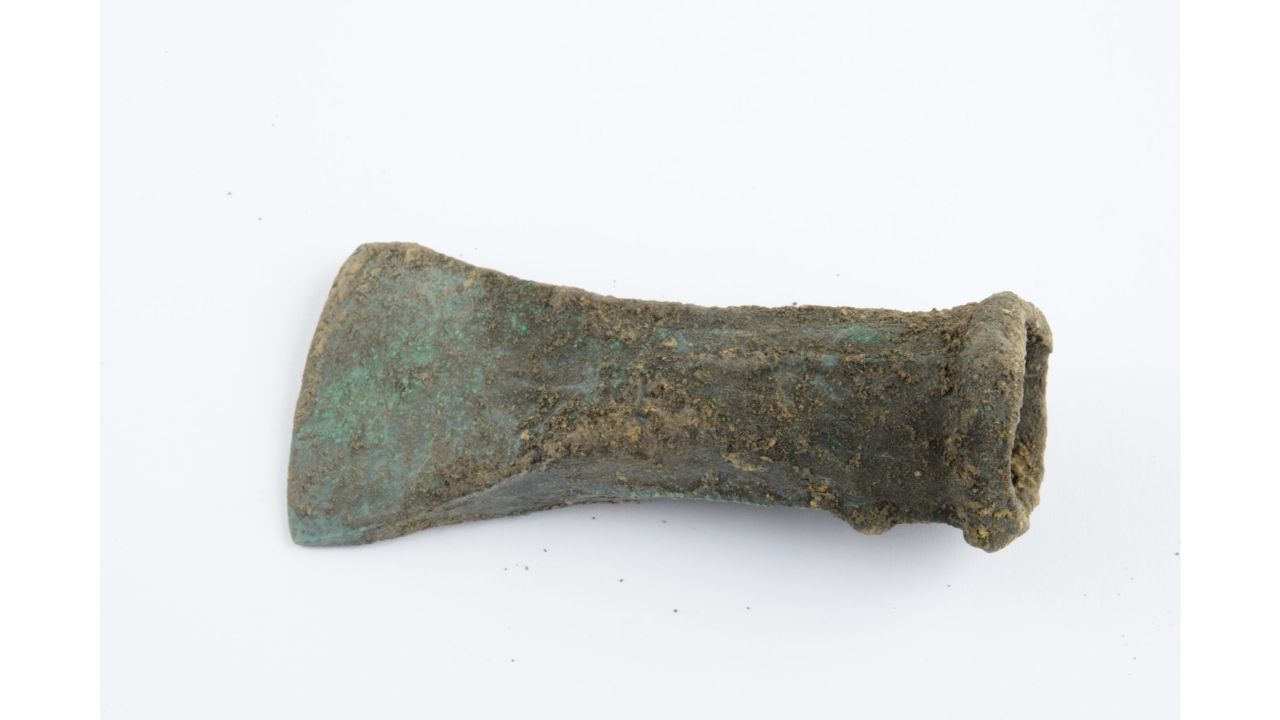
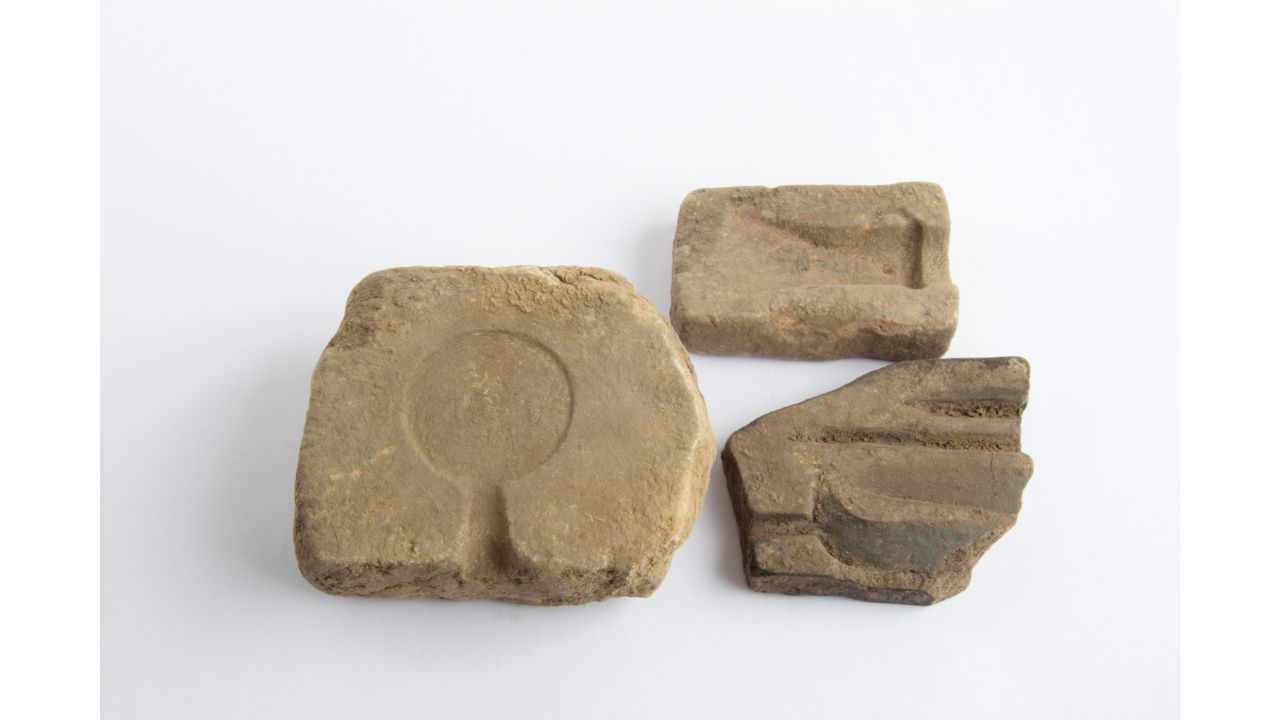
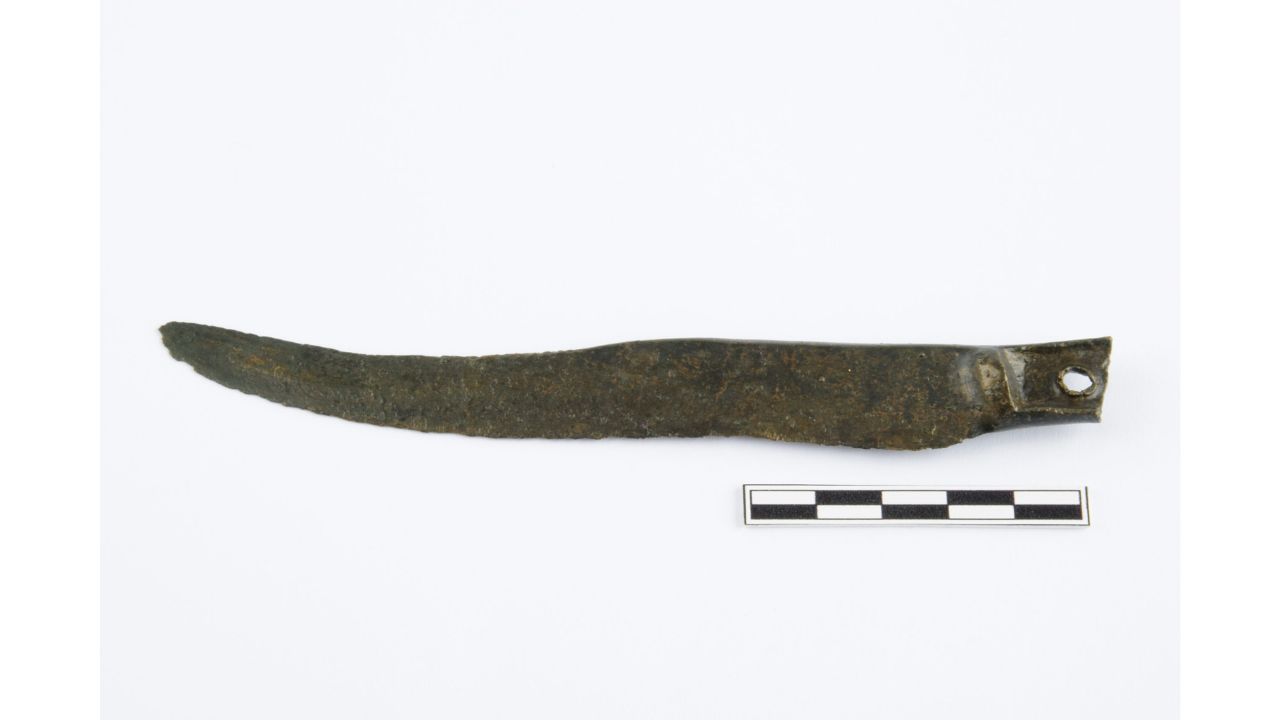
The excavation also revealed clear signs of metallurgical production. At the edge of the settlement, stone molds, fragments of crucibles, and bronze objects such as axes, pins, a bracelet, and a knife emerged.
These remnants suggest that there was a specialized space for the production of metal objects. In other words, the site was not just a residential area. It could also function as a small manufacturing center, where artisans mastered casting and molding techniques.
The molds will be analyzed to check if they still preserve metal residues. If this is confirmed, researchers will be able to better understand which pieces were made on site and how the production chain of these ancient communities functioned.
The Roman tool that may have been used to make metal wires
The rarest object found in the railway section was a kind of perforated plate, known as a tool for drawing metal wires. The piece was used to pull the metal through small holes, thinning the material until forming more delicate wires.
For archaeologists, this is an exceptional find in Central Europe. The piece was associated with the Roman period, when the region was inhabited by Germanic groups in contact with influences and technologies from the Roman world.
The most fascinating detail is in the tool’s holes, where there are signs of corrosion. Researchers believe there may be residues of the metal that passed through the plate. The piece will undergo spectrometric analysis to discover what type of wire was produced.
One of the most striking hypotheses is that this thin wire could have been used in the manufacture of chain mail, a military protection made with small interlinked metal rings. Confirmation still depends on the tests, but the possibility turns the tool into one of the most powerful elements of the archaeological narrative.
Railway construction reveals that the future can also unearth the past
The discovery in the Nezamyslice–Kojetín section shows how major infrastructure works can reveal entire chapters of history before transforming the landscape. Under the planned path for a modern railway, there were signs of ancient houses, funeral rituals, bronze workshops, and rare metallurgical technology.
The contrast is powerful. While engineers prepare tracks for high-speed trains, archaeologists find marks left by people who lived there thousands of years before. And each fragment removed from the soil helps reconstruct a history that, without the railway, might have remained buried for much longer.
More than just a curious find, the case reinforces the importance of preventive archaeology in large projects. Before machines advance over the land, specialists can preserve unique information about human occupation, ancient techniques, and the mysteries that still survive beneath cities, fields, and future train lines.
In the end, the railway that promised to shorten distances ended up doing the opposite: it took the Czech Republic on a deep journey into the past, revealing more than 1,000 ancient remains and a rare tool that may still change the understanding of metallurgical technology in the heart of Europe.