Portuguese
  Spanish


At 30 years old, the scrap dealer Cleiton, from Curitiba (PR), claims to earn about R$ 500,000 per month buying and reselling scrap, in a recycling yard that started with a Kombi and with his parents as paper collectors. The case, shown in a video from the Cleber Puerta channel, is the gateway to a giant sector: according to 2024 data, the recycling of ferrous scrap in Brazil moves about R$ 9.5 billion and employs more than 65,000 people.
The journey impresses by the size of the business. According to the Cleber Puerta channel, the scrap dealer Cleiton, from Curitiba, claims to earn about R$ 500,000 per month in his scrap recycling yard, which today occupies thousands of square meters and buys everything from iron and aluminum to copper, plastic, and paper.
But his case is just the tip of a billion-dollar sector. According to the Panorama of Ferrous Materials, from INESFA, the recycling of ferrous scrap in Brazil moved about R$ 9.47 billion in 2024, generated more than 65,000 direct jobs, and recovered 13.49 million tons of metal, of which almost 95% returned to the national industry. Next, see who is the scrap dealer behind the R$ 500,000 per month yard, how a junkyard becomes a business, the real size of the recycling market in Brazil, how the circular economy of metal works, and why this chain is so important for the country.
Who is the scrap dealer behind the R$ 500,000 per month yard
The character helps to understand the sector. Cleiton, 30 years old, is a scrap dealer from Curitiba who transformed the old family business into a large-scale scrap recycling operation, and serves as a living portrait of a market that often goes unnoticed, that of the neighborhood metal buyer.
-
From Hotel Porter to CEO: Brazilian Entrepreneur Leads Travel Agency Serving Major Brands and Generating $270 Million in Revenue

-
From Selling Cleaning Products in Vans to Over 300 Franchises: Entrepreneur Targets $30 Million by Expanding into Professional Cleaning Services and Laundries

-
China Constructs 5.1 km Undersea Highway in Dalian Bay, Reducing Travel Time from 1 Hour to 5 Minutes
-
Massive Transporters Otto and Lore Move ALMA Radio Telescope in Chile’s Atacama Desert



The origin is modest and well-known. Son of parents who worked as paper collectors, Cleiton started early in the field and, little by little, stopped just collecting material to buy and resell it, a model shift that is at the base of the growth of many scrap recycling businesses in the country.
The number that draws attention is the revenue. According to Cleiton himself, the yard currently earns about R$ 500,000 per month, a figure that refers to the gross revenue of the business, not the profit, but it already gives an idea of how much money circulates in the buying and selling of ferrous scrap and other materials.
His case is an example, not a magical exception. Spread across Brazil, thousands of scrap recycling yards like Cleiton’s form the base of a huge industrial chain, and it is precisely this multitude of small and medium-sized businesses that fuels the country’s circular economy of metal.
From Kombi to yard: how a junkyard becomes a business
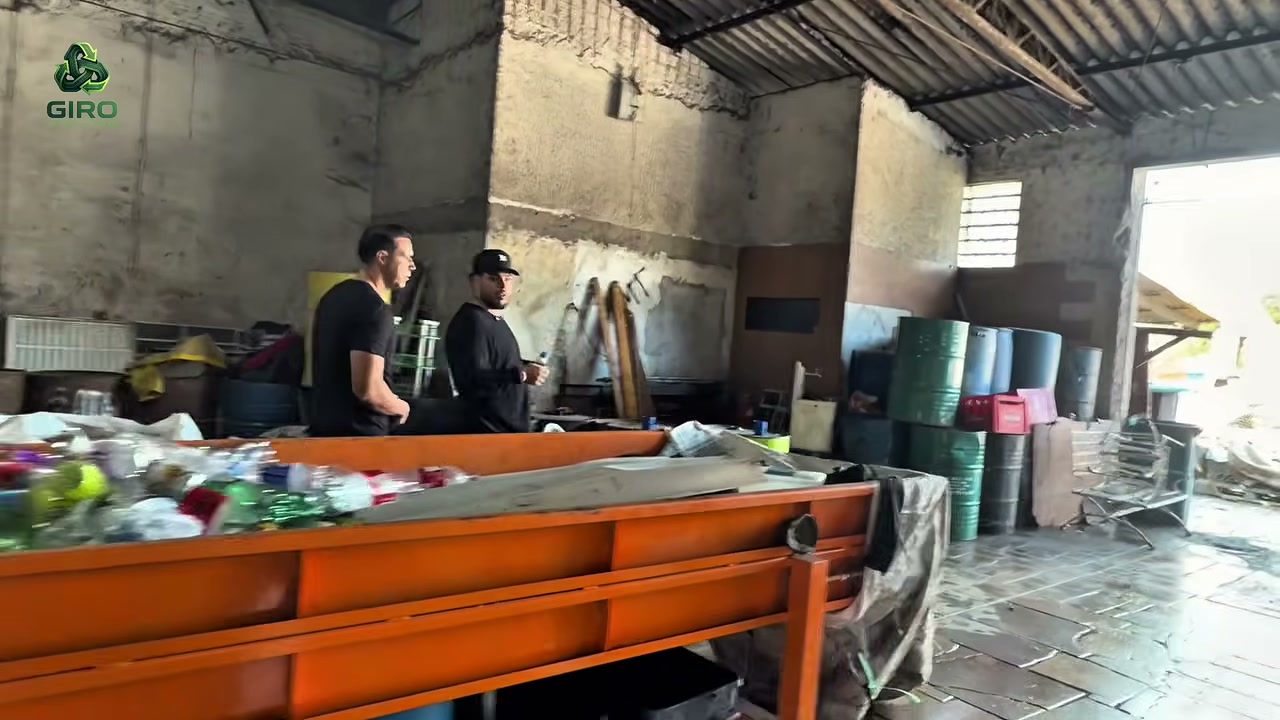
The beginning was humble, as in almost the entire sector. Cleiton’s business started small, with a Kombi to collect material, and grew as he switched from collecting to buying, a common path among scrappers who turn the recycling market into a source of income.
The structure became robust. Today, according to Cleiton, the scrap recycling yard occupies thousands of square meters and has scales to weigh heavy loads, presses to compact material, and a conveyor belt where a team sorts what arrives, turning the junkyard into an almost industrial process.
Separation is the heart of the profit. In the yard, the material is sorted by type, iron on one side, aluminum, copper, and stainless steel on the other, because each metal has a different price, and it is this careful selection that makes scrap recycling profitable, adding value to what many people consider trash.
The gain is in the margin details. Sorting well, pressing, and selling at the right time can mean a few cents or even a real more per kilo, and in a business that moves tons, this difference defines the outcome, showing that scrap recycling is as much about logistics and organization as it is about the metal itself.
What is bought and how to make money with scrap
The variety of materials is large. A scrap recycling yard like Cleiton’s buys iron, aluminum, copper, stainless steel, as well as plastic and paper, and each of these materials has its own market, price, and buyers in the industrial sector, which requires knowledge from those who work in the field.
The metal is the flagship. Ferrous scrap, the old iron, is the most voluminous material and the backbone of the business because it directly feeds the steel industry, which melts the metal to manufacture new steel, closing a cycle in which scrap recycling becomes a raw material for heavy industry.
Nobler metals pay better. Copper and aluminum are worth much more per kilo than iron, and therefore the mining of these materials, extracted from engines, wires, and parts, is an important part of the revenue of a scrap recycling yard, even if they appear in smaller quantities.
There is also processing. In addition to buying and reselling, some yards process the material, grinding plastic or compacting metal, to add value before selling, a step that brings scrap recycling closer to the industry and helps explain how a scrap dealer can earn hundreds of thousands of reais per month.
A market of R$ 9.5 billion: the size of scrap recycling in Brazil
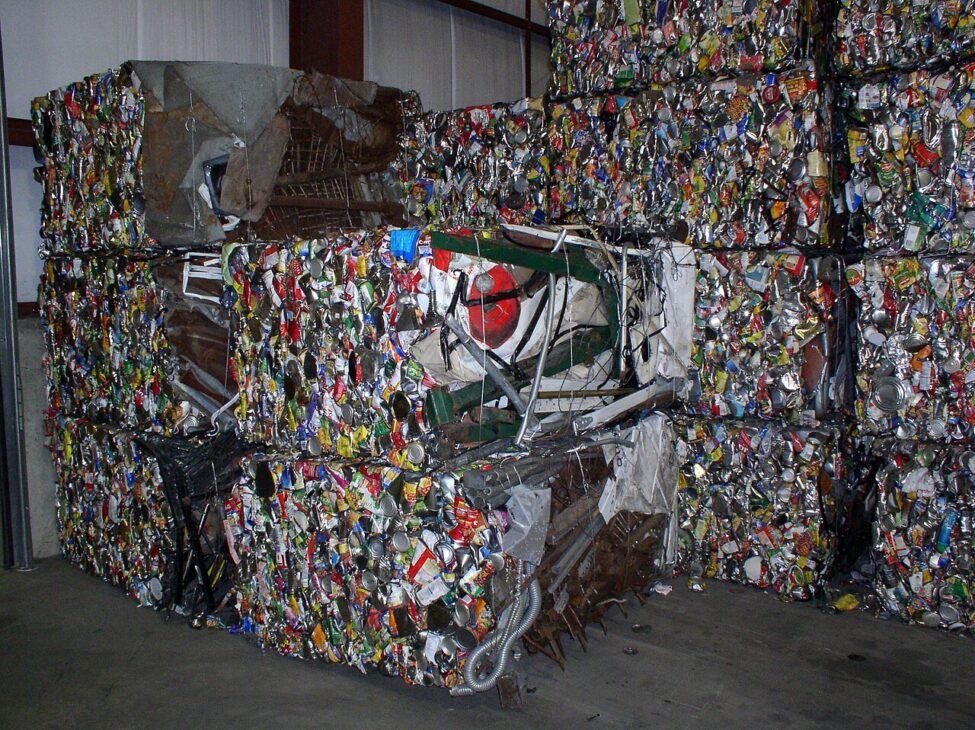
Cleiton’s case gains another dimension in light of the sector’s numbers. Ferrous scrap recycling in Brazil moved around R$ 9.47 billion in 2024, a figure that reveals how old iron has become a heavyweight market, far beyond the image of the corner junkyard.
The employment generated is significant. According to the sector’s survey, the ferrous scrap chain accounts for more than 65,000 direct jobs in Brazil, employing everyone from collectors and scrap dealers to yard operators and industries, making the recycling market an important job generator.
The recycled volume is impressive. In 2024, the country recovered 13.49 million tons of ferrous scrap, an increase of more than 10% compared to the previous year, and almost 95% of this material was reused within Brazil itself, feeding the national industry instead of becoming waste.
These data change the perception of the business. When looking at Cleiton’s yard in light of the Brazilian recycling market, it becomes clear that it is a cell of a giant mechanism, and that scrap recycling is, in practice, a strategic industrial sector, not a roadside improvisation.
From scrap to steel: how the circular metal economy works
The metal cycle is elegant. A piece of ferrous scrap that arrives at Cleiton’s yard can be sorted, pressed, and sold to a steel mill, which melts it down and turns it into new steel, ready to become another product, in a cycle that is the essence of the circular economy.
The environmental advantage is enormous. Recycling metal consumes much less energy than producing steel from ore, and therefore scrap recycling helps reduce emissions and save natural resources, turning old iron into one of the greatest allies of industrial sustainability.
The steel industry increasingly depends on this. A significant portion of Brazilian steel is already produced in electric furnaces that use ferrous scrap as raw material, which directly connects the scrap yard to the heavy industry and shows how the metal’s circular economy is already a reality, not just rhetoric.
This is where the small business gains greatness. Every kilo of ferrous scrap bought by a yard like Cleiton’s is a kilo that doesn’t become waste and returns as steel, making scrap recycling an essential piece of the Brazilian circular economy, uniting business and environment.
After all, is it possible to make a living from scrap recycling in Brazil?
The answer, looking at the numbers, is yes. Cleiton’s case shows that scrap recycling can sustain a sizable business, and the size of the recycling market, with billions of reais and tens of thousands of jobs, confirms that there is room for many scrap dealers to live well from the sector.
But it’s not easy money. Making a living from scrap recycling requires capital to buy material, infrastructure to sort and press, knowledge of the prices of each metal, and discipline with logistics, a set of factors that separates those who thrive from those who merely survive in the field.
Scale makes a difference. A yard that handles tons and achieves good margins, like Cleiton’s, reaches high revenues, while an isolated collector earns much less, showing that scrap recycling rewards those who invest in structure and organization.
The sector still has room to grow. With the steel industry demanding ferrous scrap and the circular economy gaining strength, scrap recycling remains a real business opportunity in Brazil, especially for those who treat the activity professionally, and not as a side job.
Why does Brazil still export scrap instead of recycling everything?
Here lies a paradox of the sector. Even with a steel industry that consumes recycled metal, Brazil still exports part of its ferrous scrap to other countries, instead of reusing all the material internally, revealing bottlenecks in the scrap recycling chain.
The reason lies in domestic demand. When the national industry does not purchase the entire available volume, the scrap dealer seeks buyers abroad to avoid having the material idle, and thus part of the Brazilian ferrous scrap ends up being shipped abroad instead of feeding the local circular economy.
This generates an economic debate. Experts in the recycling market point out that retaining more ferrous scrap in the country could strengthen the national steel industry and create more jobs, and that exporting recycled metal is, in a way, sending abroad a valuable resource that could circulate here.
The topic shows that the sector is strategic. Deciding what to do with the ferrous scrap, whether to export or recycle internally, is a matter of industrial policy, and places scrap recycling at the center of discussions about industry, employment, and the circular economy in Brazil.
What scrap recycling has to do with Brazil
The link is direct, because the chain is national. Scrap recycling employs Brazilians, supplies the Brazilian industry, and moves billions of reais within the country, making the sector a concrete component of the national economy, even if little remembered in daily life.
There is also the environmental strength. By returning millions of tons of ferrous scrap to the industry, Brazil saves energy and reduces waste, and the metal’s circular economy becomes an example of how sustainability and business can go hand in hand, generating income while preserving resources.
The country is already a recycling reference. Brazil is one of the world leaders in aluminum recycling, reusing the vast majority of beverage cans, and this same talent appears in ferrous scrap recycling, showing that the country knows how to transform waste into raw material when there is a market for it.
Finally, there is the appreciation of those who work at the base. Scrap dealers like Cleiton, often viewed with prejudice, are actually agents of a recycling market that supports jobs and industry, and recognizing the value of this work is to understand that scrap recycling is an essential part of the productive Brazil.


In the end, Cleiton’s story is a window into an entire sector. A scrap recycling yard that earns R$ 500,000 per month seems like an exception, but it is just a cell of a recycling market that moves almost R$ 9.5 billion per year and employs tens of thousands of Brazilians.
More than the revenue, what remains is the logic. Scrap recycling transforms what would be waste into steel, generates income, saves energy, and supports the circular economy, proving that old iron has a value that most people never imagined.
And you, did you know that scrap recycling moves billions of reais in Brazil and that the junkyard in your neighborhood is part of a strategic industry? Share your opinion in the comments and share with those who like business and sustainability.