Portuguese
  Spanish


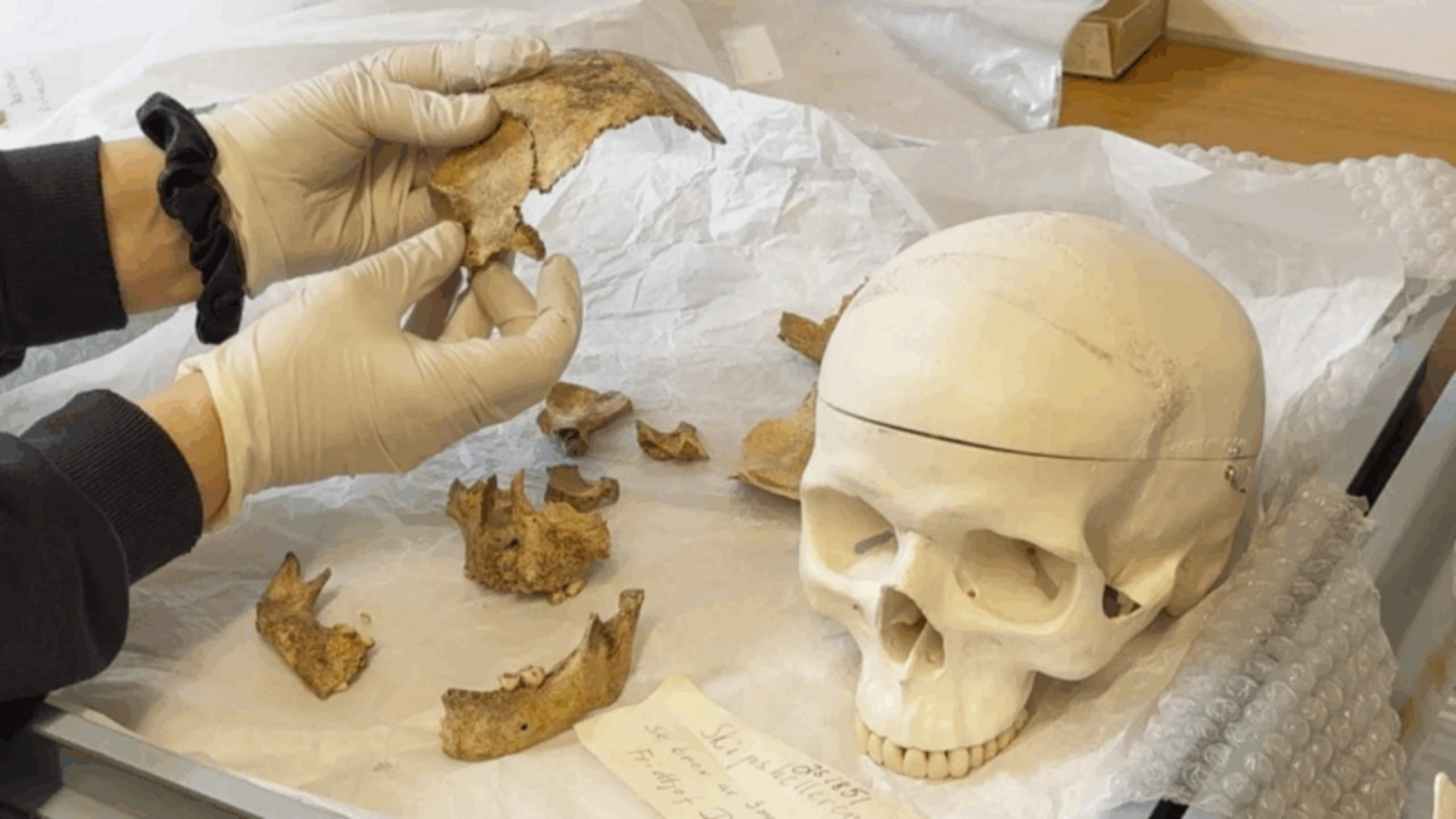

Find in Skipshelleren integrates the INDICAVE project and can help researchers understand human occupation, diet, and the origins of the first agricultural communities on the west coast of Norway
A child’s skull about 4,000 years old was found by archaeologists in Skipshelleren, a rock shelter on the west coast of Norway. The find, linked to the INDICAVE project, helps researchers understand how the first agricultural communities in the region lived and reinforces the importance of the prehistoric site.


Child’s skull was located in an area that had not yet been studied
The discovery occurred during new excavations in Skipshelleren, a site located near a fjord and protected by a large rock overhang. This formation keeps the interior dry even during periods of heavy rain.
This condition favored the preservation of archaeological remains for thousands of years. According to researchers, the shelter was used for about 7,500 years, recording different phases of human presence in the region.
-
Norway Defeats Brazil in World Cup but Invests Billions to Preserve the Amazon, Strengthens Amazon Fund, and Joins Brazil in Leading Global Effort Against Tropical Deforestation

-
Denmark Constructs Its Largest Breakwater with 175 Concrete Blocks and World’s Largest Excavator to Combat 8-Meter Waves, at a Cost of $156 Million

-
Swedish Company Develops Offshore Wind Turbine That Eliminates the Need for Cranes and Simplifies Maintenance
-
Hurricane Katrina: Engineering Failures by U.S. Army Corps Led to 80% of New Orleans Flooding




The site had already been excavated in 1931. At the time, it was believed that all archaeological material had been removed. However, new research revealed a preserved area under old excavation layers.
It was in this untouched section that archaeologists found the skull of a child. Initial analyses indicate that the child died between two and four years of age.
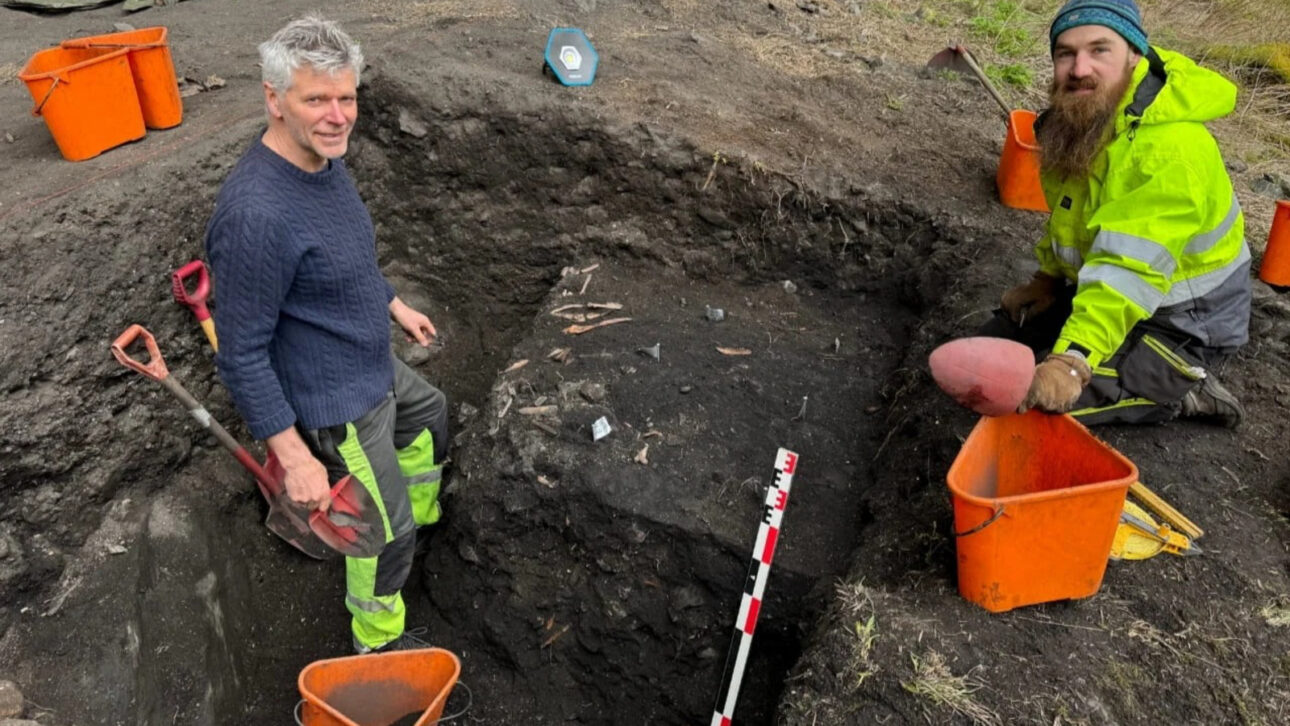
Discovery of the skull resumes history started in 1955
The finding also helped clarify a discovery made seven decades ago. In 1955, resident Bjørg Dæmring Berge found parts of the same skeleton near the shelter.
During the current archaeological campaign, she returned to the site and pointed out to researchers the exact spot where she had found the bones. The information allowed for the location of other fragments belonging to the same burial.
With this, archaeologists were able to gather new evidence about the child burial and expand the understanding of the use of Skipshelleren during prehistory.
Shelter combined dwelling, burial, and thousands of artifacts
The excavations also revealed that Skipshelleren was not just a temporary shelter. The collection of materials indicates that the space served as a dwelling place and also as a cemetery during the Stone Age.
Researchers recovered approximately 40,000 animal bones, including remains of fish, birds, and mammals.
This material will be identified and cataloged to help reconstruct the relationship of the ancient inhabitants with the environment.
Stone and bone tools, ceramic fragments, and fishhooks were also found. Some of the excavated archaeological layers are about 7,000 years old.
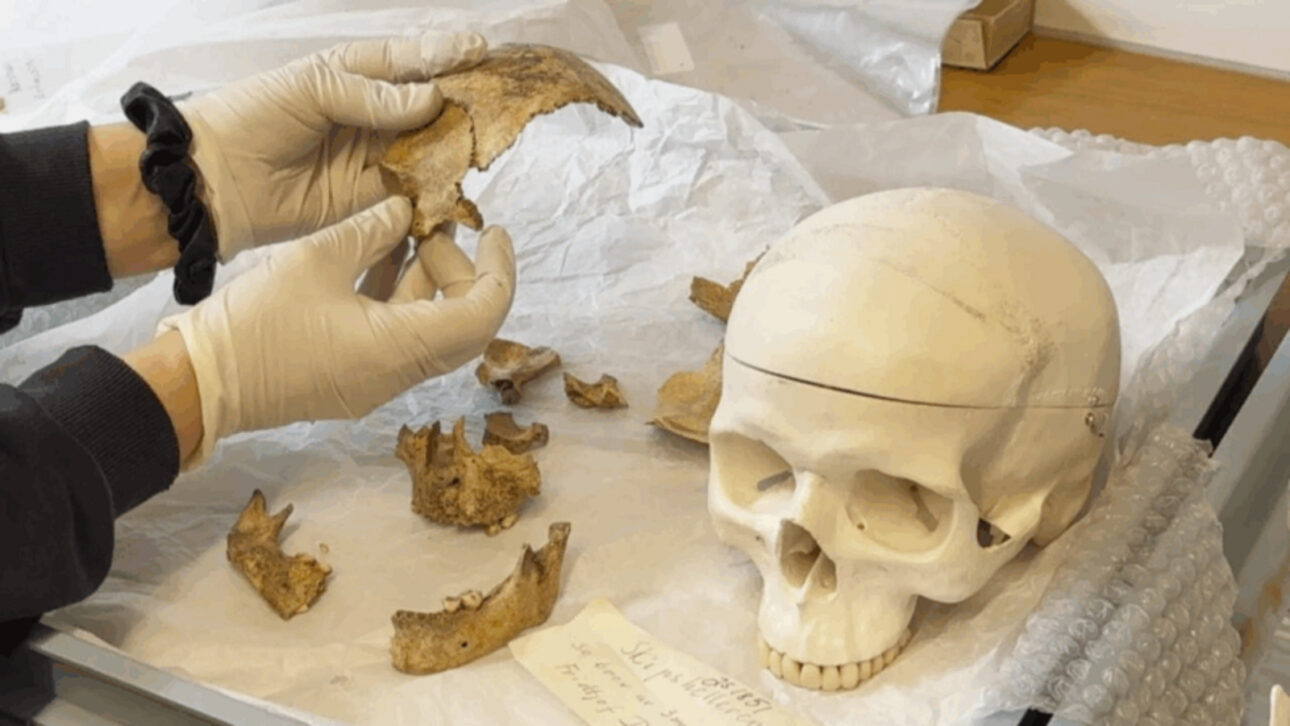
DNA and isotopes may reveal diet and origin of ancient inhabitants
In addition to the objects and bones, the team collected soil samples with plant traces, material for dating, and ancient DNA preserved in the sedimentary layers.
The child’s skeleton will undergo DNA and isotope analyses. These tests may indicate information about diet, biological characteristics, and possible origins of the populations that lived on the Norwegian coast at the beginning of agriculture.
The INDICAVE project, conducted by teams from the University of Bergen and the University of Tromsø, investigates caves and rock shelters along the Norwegian coast to understand who occupied these sites and how they were used throughout prehistory.
This article was prepared based on information from the provided material and Archaeology News, with data, numbers, and statements preserved as per the consulted material.