Portuguese
  Spanish


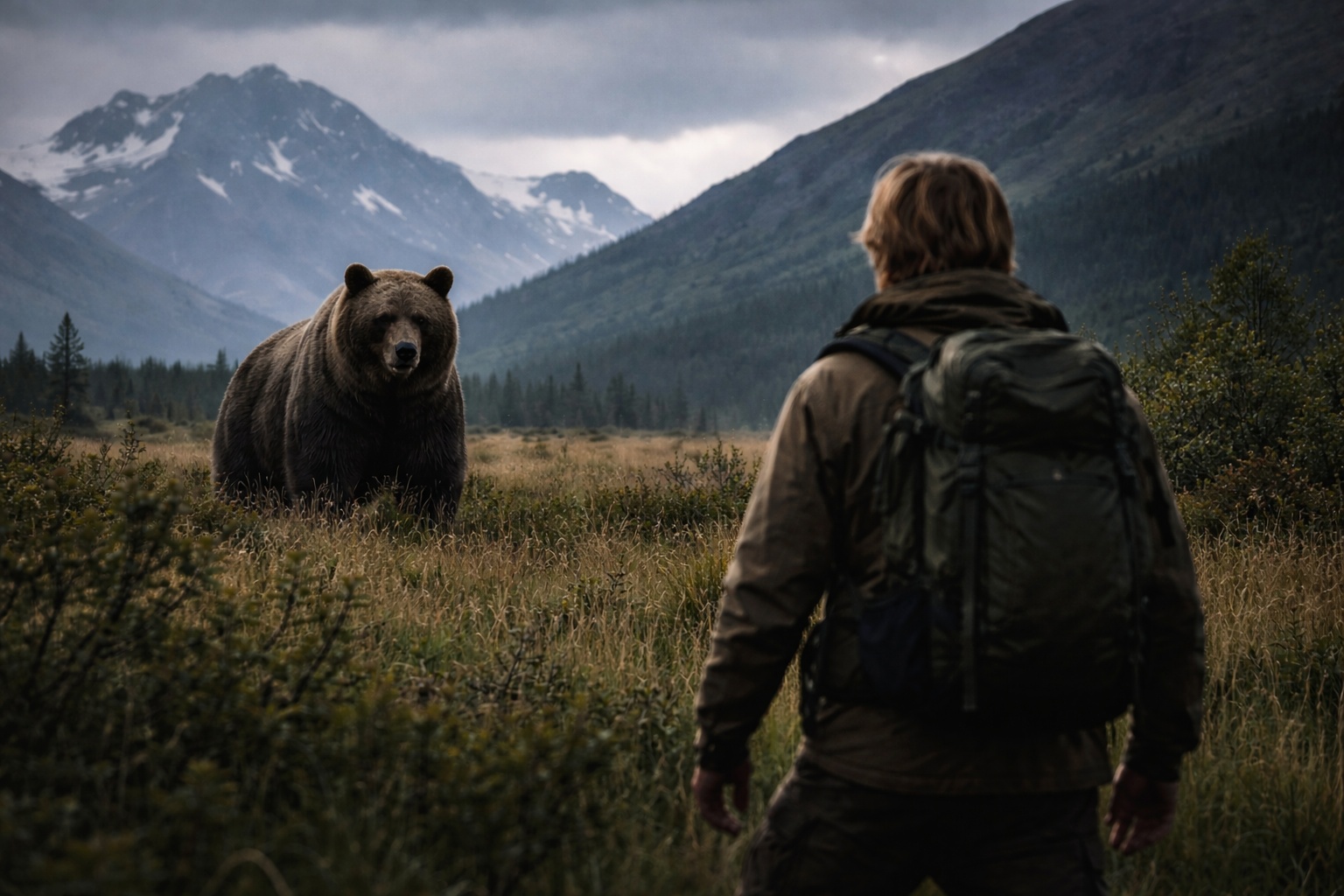


For 13 Years, Timothy Treadwell Lived in Isolation in Katmai National Park, Living with Brown Bears, Until a Tragic Outcome Revealed the Limits of Voluntary Isolation.
When Timothy Treadwell decided to abandon conventional life and spend long periods in remote areas of the Katmai National Park and Preserve in Alaska, his choice was neither impulsive nor accidental. Over 13 consecutive summers, between the early 1990s and 2003, he voluntarily isolated himself in one of the wildest regions of North America, living practically without modern infrastructure and sharing space with giant brown bears, some of the largest land predators on the planet.
The decision, widely documented by videos recorded by Treadwell himself, became one of the most well-known cases of contemporary voluntary isolation and also one of the most controversial.
A Conscious Choice to Live Outside the Modern World
Before becoming known for his extreme interactions with bears, Timothy Treadwell led a typical urban life in the United States. Unsatisfied with the personal and emotional direction of his journey, he found in direct contact with nature a way to find purpose.
-
She bought a used motorhome at 23, refused an expensive renovation, dismantled furniture from the old apartment, and created a home on wheels with compact carpentry and repurposed pieces.

-
At 7 years old, boy swaps toy cars for raising bantams, dreams of becoming a veterinarian, and conquers the internet with his routine in the countryside of Santa Catarina; meet Luiz Miguel, the “Piá do Garnizé”

-
New York removed the tracks from over 2,500 subway cars and dumped everything at the bottom of the Atlantic, and what seemed like trash turned into an artificial reef teeming with fish and divers.

-
From matches sold by bicycle at age 5 to a global furniture empire: the lumberjack’s son founded IKEA at 17 in his uncle’s kitchen and transformed a small company into the largest furniture retailer on the planet.



Unlike classic hermits seeking absolute silence, Treadwell wanted total immersion in a wild ecosystem, believing that his presence could help protect the animals.

For over a decade, he spent entire months living in remote areas of the park, sleeping in simple tents, without electricity, constant communication, or any type of permanent shelter. The isolation was geographic and logistical, although not absolute from a social perspective, as he would return to civilization between seasons.
Living with Some of the Greatest Predators on Earth
What sets Treadwell’s case apart from other examples of isolated living is the level of risk assumed. Katmai National Park is home to one of the largest concentrations of brown bears (Ursus arctos) in the world, animals that can exceed 600 kilograms and reach surprising speeds over short distances.
Treadwell chose to live within the territory of these animals, often approaching them within a few meters. He believed that through calm and predictable behavior, he could coexist peacefully with the bears.
This perspective sharply contradicted the guidelines of the National Park Service, which warned of the serious risks of such close proximity.
A Routine Without Infrastructure and Based on Improvisation
During his stays in the park, Treadwell lived extremely simply. There was no running water, heating, structural protection against the weather, or any type of physical safety against wild animals. His food came from supplies brought in advance and meticulous planning for each season.

The isolation, in this case, was not tied to productive self-sufficiency, such as farming or hunting, but to a deliberate acceptance of a precarious life in exchange for absolute closeness to the wild nature.
Video Recordings That Documented Everything
Over the years, Timothy Treadwell recorded hundreds of hours of video, capturing his routine, personal reflections, and interactions with the bears. This material became the basis for the documentary “Grizzly Man”, directed by Werner Herzog, which turned the case into a global reference on the limits between human idealism and natural reality.
The recordings show both moments of contemplation and episodes of tension, where the unpredictable behavior of the animals made it clear that coexistence was not without danger.
The Tragic Outcome and the Debate That Followed
In October 2003, during one of his last stays in the park, Timothy Treadwell died after a fatal encounter with a bear. The incident shocked public opinion and reignited the debate over how far the individual right to choose extreme isolation extends when that choice involves severe risks to one’s own life and the safety of others.
Authorities emphasized that Treadwell’s behavior contradicted basic principles of safe coexistence with wildlife and could even put the animals themselves at risk.
A Case That Divides Opinions to This Day
For some, Timothy Treadwell was a passionate advocate for nature, willing to sacrifice everything for a cause. For others, he was an example of extreme recklessness, who confused empathy with control over uncontrollable natural forces.
What is undeniable is that his story exposes a clear limit: voluntary isolation can be sustainable when it respects the environment, but becomes dangerous when it ignores the fundamental rules of wild nature.
More than just a story of isolated living, Treadwell’s case became a lasting warning about the risks of romanticizing extreme coexistence with predators at the edge of human survival.