Portuguese
  Spanish





Farmer Detects Scam Attempt via Message, Creates Unlikely Plan, Outsmarts the Scammer, and Ends the Episode with Unexpected Profit That Goes Viral on Social Media.
The farmer Geraldo Rodrigues reported on social media that he identified a scam attempt via WhatsApp and managed to turn the situation around.
The suspect requested R$ 3,5 thousand via Pix but ended up transferring R$ 50 to Geraldo himself, who published the episode in a video.
In three days, the post surpassed 4.6 million views and generated significant buzz among internet users.
-
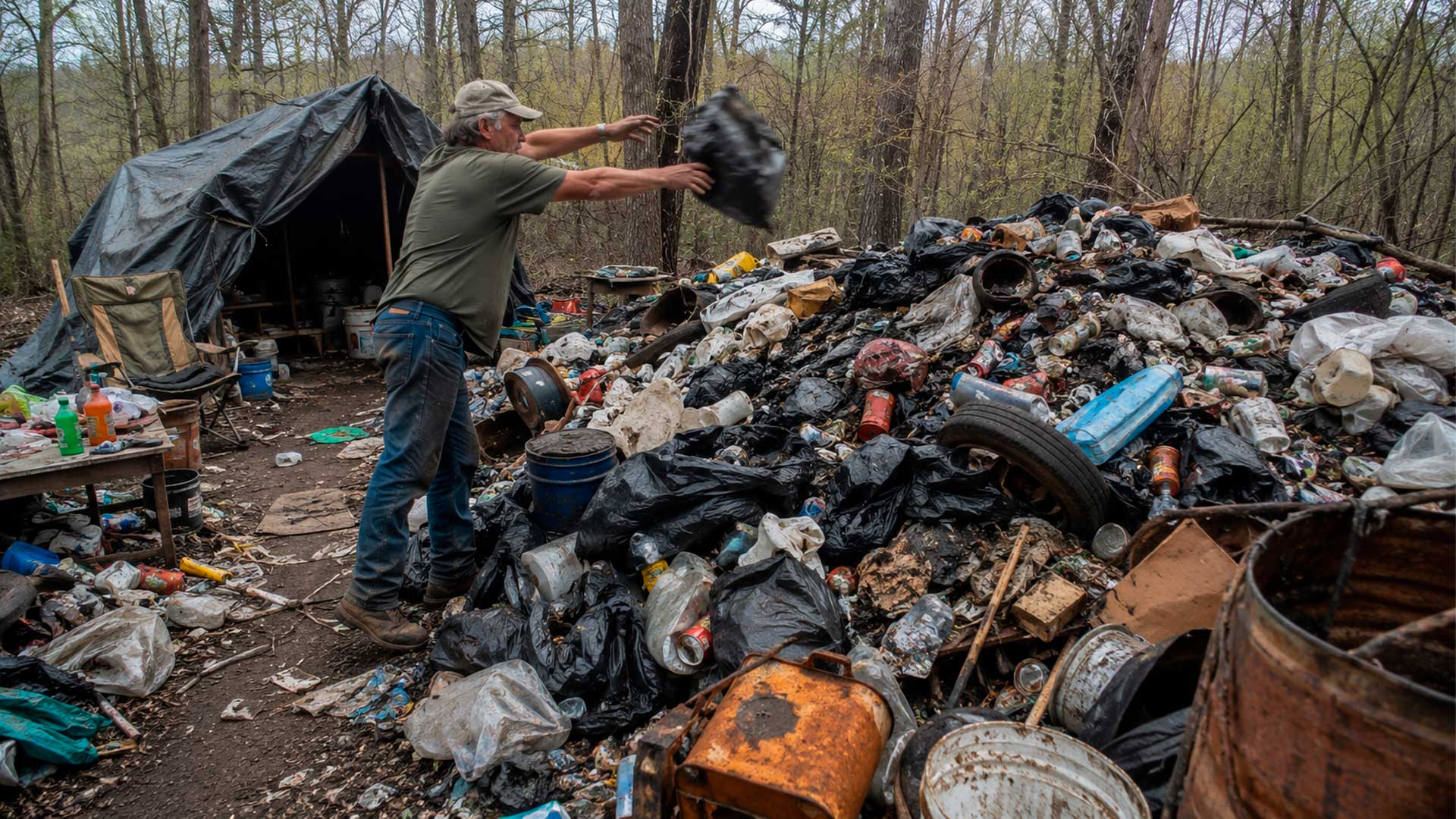
65-year-old man lived in Arizona forest for 8 years, built illegal campsite, and accumulated half a ton of trash before being discovered by U.S. Forest Service agents

-
Former Biology Teacher Turns Financial Education App into a $1.2 Million Success in Brazil

-
Brazilian Entrepreneur Launches Staff-Free Laundry Chain with 636 Locations Nationwide, Generating $5 Million in Revenue
-
From Painting Houses in the U.S. to Producing Beyoncé and Paul McCartney Shows, Entrepreneur Opens Luxury Hotel in Brazil’s Trancoso with $8 Million Revenue Goal


Beginning of the Approach on WhatsApp
According to the farmer, it all started with a message asking if he was home.
The approach, considered unusual, raised suspicions.
“Wow, what intimacy! He never even talked to me. Then I thought, it’s a scam, right?” he stated in the video.
Subsequently, the interlocutor requested the transfer of R$ 3,5 thousand, claiming to need to settle a debt urgently.
Geraldo mentioned that he responded by saying he didn’t have the amount available but could use his credit card limit.
The supposed scammer insisted that he complete the transaction, promising to return the money later the same day.
“Just do it, and I’ll pay you back by evening,” said the contact, trying to convince the farmer.
The Turnaround and the Pix of R$ 50

The farmer explained that, after a few minutes, he responded by saying he had tried to make the transfer three times but that the bank had blocked his card due to suspected fraud.
He also mentioned that he would need to go to an ATM to unlock access, but that his wife had the car.
To justify the delay, he said he intended to request a ride through an app, but the registered card would also be blocked.
He then presented a new proposal to the interlocutor.
“I said: I don’t have a single real here, and now my account is blocked. How about this: pay this Pix, and put 50 reais of credit on my ride app,” he reported.
The supposed scammer accepted and made the payment.
“The guy put R$ 50, and I took R$ 50 from the bandit,” the farmer stated in the video.
Impact and Viralization of the Case
The recording spread rapidly and began to be shared on various pages and profiles.
Among the comments, many users praised the farmer’s quick thinking.
Expressions like “this guy is a genius” and “scam with cashback” were often seen in the reactions.
The post also inspired other reports of similar situations where people claimed to have managed to confuse alleged scammers.
The comments highlighted the unusual nature of the interactions and the creativity of the responses.
Reports of Similar Stories
In the comments, a woman shared that her husband, after discovering a scammer’s CPF, registered him as a poll worker in the Electoral Justice.
The event was not officially confirmed but was reported as an example of an unusual response to online scams.
Another user reported that while working in a cell phone store, she received an email from a supposed client with a payment receipt for an expensive device.
The buyer then contacted through a messaging app requesting the product be sent.
Upon identifying the document as fake, the employee replied that the free shipping time had already passed but that she could dispatch the item the same day for a fee.
The interlocutor agreed and transferred R$ 50, an amount that, according to the employee, ended the contact.
Digital Scams and Security Guidelines
Authorities and digital security experts explain that scams via messages follow a common pattern, using informal language, a sense of urgency, and promises of quick returns to convince the victim.
According to public safety guidelines, the recommendation is to immediately stop contact and report any suspicion of fraud.
In the case reported by the farmer, the interaction ended without financial loss, but experts warn that similar situations may allow for the collection of personal data and misuse of information.
The Civil Police advises that any attempt at fraud be reported through official channels, such as the Cybercrime Division.
Reach and Impact on Social Media
The video of Geraldo became one of the most discussed pieces of content of the week on digital platforms.
Digital communication experts note that stories with unexpected endings and simple structures tend to spread quickly on social media, especially when the audience identifies with the situation.
The popularity of the case is also due to the contrast between the scam attempt and the final outcome, which resulted in a small loss for the scammer.
The expression “scam with cashback”, created by internet users, reinforced the light tone in the reactions but reignited the debate about the importance of recognizing signs of fraud and avoiding any type of engagement with criminals.
The episode highlights the need for heightened caution regarding suspicious contacts and reinforces that, although some cases end in unusual ways, virtual scams continue to be a constant threat on social media and messaging apps.