






 Portuguese
  Spanish


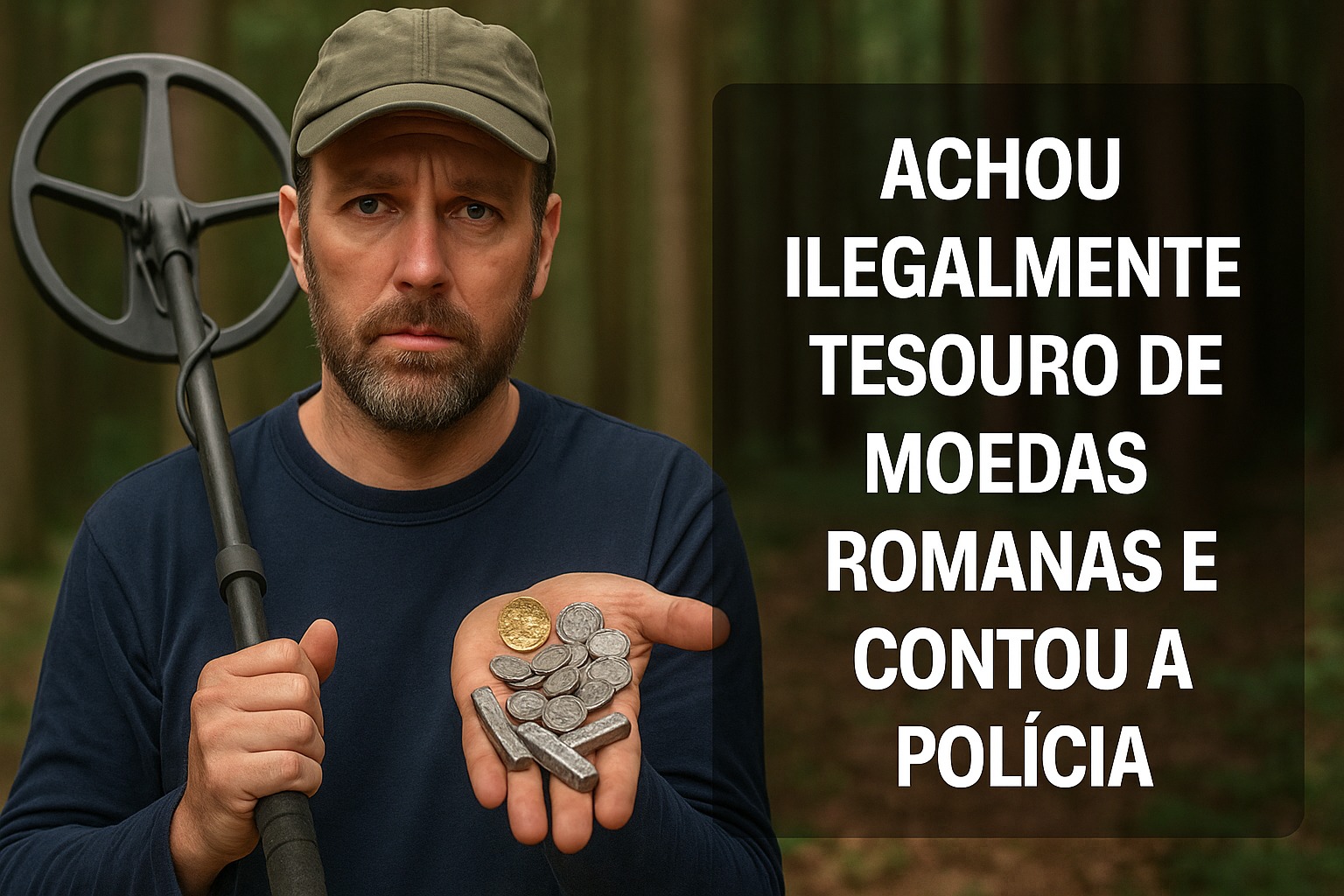


Buried About Two Thousand Years Ago, The Treasure Discovered In Borsum Includes 450 Silver Coins, A Ring, And Metal Bars. The Case Intrigues Archaeologists And Rekindles The Debate About Illegal Searches In Germany
A mystery kept beneath the ground for centuries has come to light in the small village of Borsum, in northwestern Germany. The case blends archaeology, secrecy, and infringement. In 2017, a man discovered hundreds of ancient artifacts with a metal detector, but only reported everything to the authorities eight years later, in April of this year.
Coins, Ring, And Silver Bars
During the excavation, he found a gold ring, a gold coin, several bars, and hundreds of silver coins.
According to experts, the materials date back to the Roman Era, although it is still unclear whether the collection belonged to the Romans or to the Germanic tribes of the region.
-
Man Disguises as His Own Mother to Collect €3,000 Monthly Pension, but Makeup and Beard Stubble Raise Suspicions at Registry Office

-
Brazilian Airport to Receive $2.8 Million Investment, Completion Expected Within a Year

-
UN Warns of AI’s Environmental Impact and Calls for Greater Corporate Transparency

-
Former Atacadão Employee Turns Online Cake-Baking Lessons into a Confectionery Brand with Factory, Store, Delivery, and Nearly $400,000 in Revenue




This doubt remains because both groups coexisted in that territory about two thousand years ago.
The Law Prohibits Treasure Hunts Without Authorization
The search for historical artifacts with metal detectors is illegal in Lower Saxony, the state where the find occurred.
The rule exists to ensure that any discoveries are officially reported, allowing for the proper recording and preservation of the objects.
Therefore, the use of equipment without a license makes the action irregular.
Even so, the man, now 31 years old, was subsequently enrolled in an official metal detector course offered by the local government.
The Public Prosecutor’s Office of Hildesheim decided to archive the case because the statute of limitations had already expired, preventing any judicial punishment.
New Excavations And More Coins
After the confession, officials from the State Office for Monument Preservation visited the site to ensure that no items had been lost and to try to understand the historical context of the discovery.
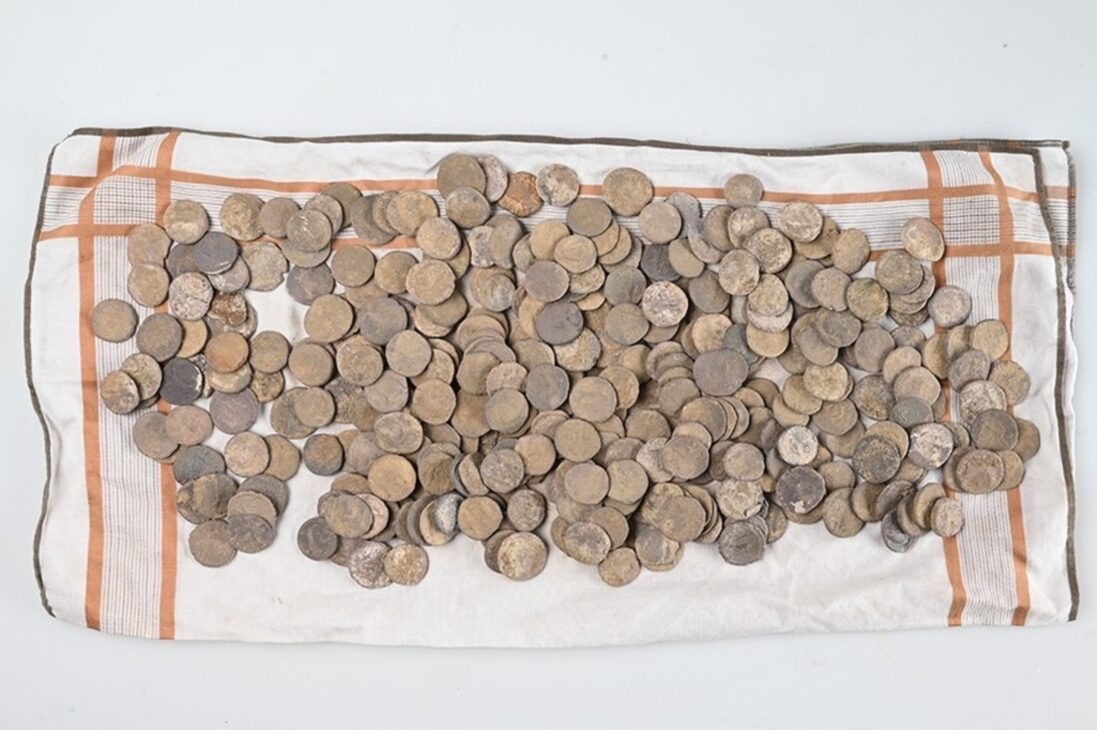
In October, a team of archaeologists conducted a more detailed investigation. The result was surprising: new coins were located, raising the total to 450 silver pieces.
Historical And Scientific Value
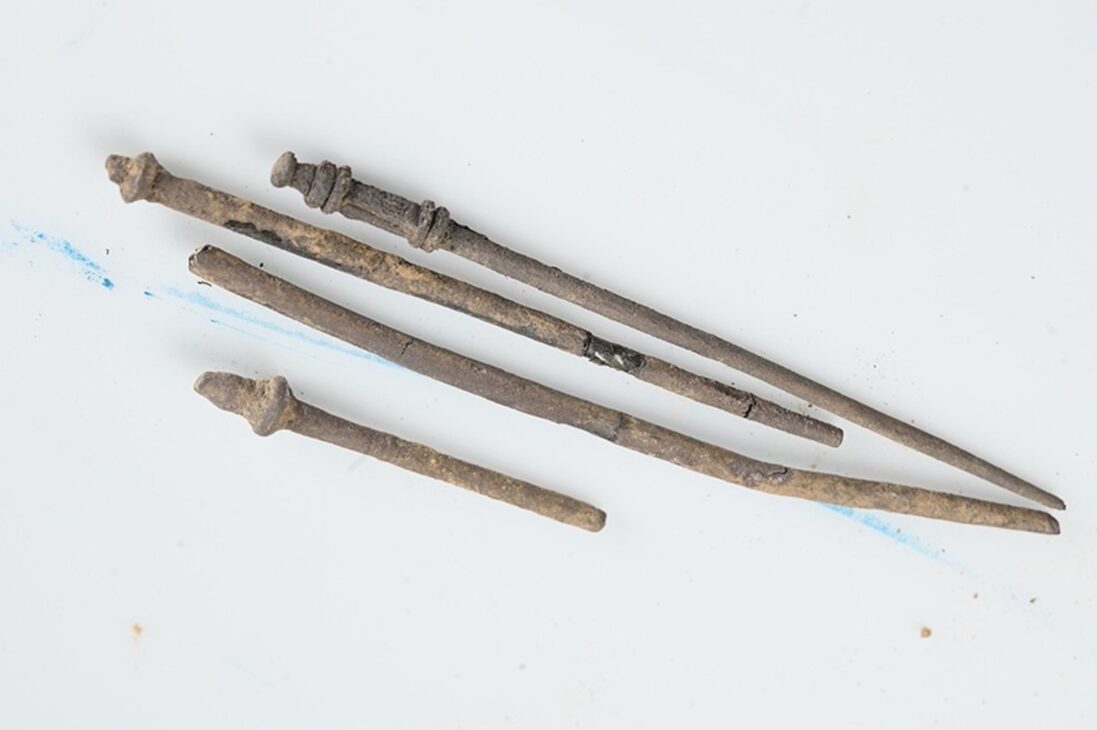
The collection is considered one of the largest sets of Roman coins ever found on German soil.
According to archaeologist Sebastian Messal, who heads the regional department overseeing the case, the treasure has great scientific value.
The coins belong to the transitional period between the end of the Roman Republic and the beginning of the Empire.
However, experts still need to determine when and why they were buried — and who decided to hide them in Borsum.
With information from Galileu Magazine.




