






 Portuguese
  Spanish


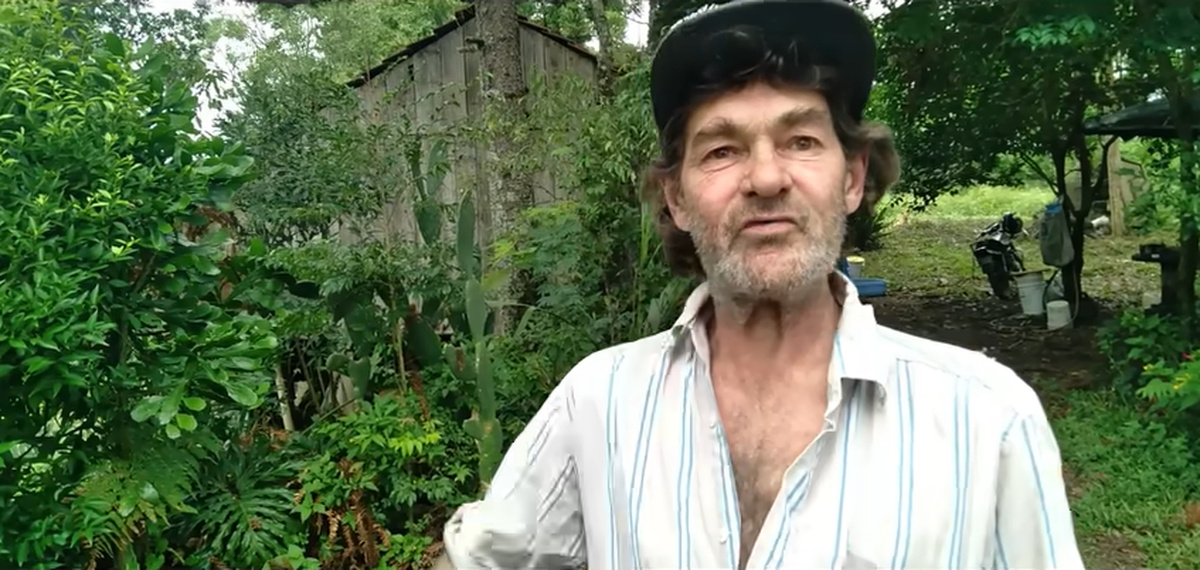


Without Access To Electricity, Far From Neighbors And Away From Urban Structures, A Man Lives Alone In A Simple Ranch In The Middle Of The Woods. The Story Exposes A Routine Marked By Survival, Solitude, And Constant Adaptation To Harsh Conditions, In A Scenario Where Basic Services Do Not Reach And Life Is Beyond The Reach Of The Government.
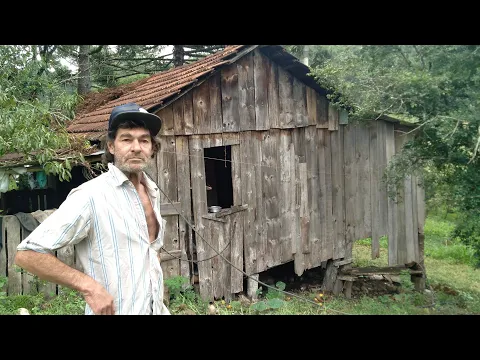
Without Access To Electricity, Distant From Neighbors And Outside Urban Structures, Luiz Augusto, Better Known As Lili, Lives Alone In A Simple Ranch At Sítio Rancho Alegre, Located Between São Manuel And Campestre Da Serra In The Interior Of Rio Grande Do Sul. The Story Exposes A Routine Marked By Survival, Solitude, And Constant Adaptation To Harsh Conditions, In A Scenario Where Basic Services Do Not Reach And Life Stays On The Margins Of The Formal System.
Lili’s Journey Draws Attention For Revealing A Little-Visible Reality In The Country, That Of People Who Stay Away From The City Not By Idealism Or A Search For Autonomy, But By Circumstances That Pushed Them Out Of The Urban Network. In This Context, Daily Life Becomes Organized Around The Essentials: Eating, Taking Care Of The Space, And Resisting The Limitations Imposed By The Environment.
The Routine Begins And Ends With What Is Necessary To Survive
At The Ranch Where He Lives, Within Sítio Rancho Alegre, The Absence Of Electricity Directly Affects All Daily Tasks. Lighting Depends On Improvised Solutions, Food Preparation Requires Simple Methods, And Space Organization Happens Manually, Without Any Technological Support.
-
Federal Government formalizes pilgrimage route with more than 70 cities between Minas Gerais and São Paulo, and the path inspired by Santiago de Compostela ends at the Sanctuary of Aparecida.

-
A Brazilian street cleaner built a machine to recycle PET bottles in the hinterlands of Paraíba, transforming the trash he swept from the streets into threads, brooms, and equipment sold even outside Brazil, and began earning about R$ 7,500 per month with his own invention.

-
In a city where every piece of land is worth gold, he began buying plots in the 1960s and built a real estate empire with over a thousand properties.
-
An artist sank over 500 life-sized human statues at the bottom of the Caribbean Sea, and what seemed like macabre art turned into a living reef covered with corals that attracts divers from all over the world.


The Rural Location Makes Travel Difficult And Infrequent. Access To Markets, Services, And Medical Care Is Limited By Distance And The Conditions Of The Road. Even In The Face Of These Restrictions, Lili Maintains His Daily Routine According To The Possibilities Of The Place, With No Concrete Alternatives For A Change Of Scenario.
Without Close Neighbors Or A Constant Support Network, All Tasks Fall On Him. Taking Care Of The Ranch, Keeping The Space Usable, And Ensuring His Own Subsistence Are Part Of A Lonely Daily Life, Where There Is No Division Of Responsibilities. Survival Depends Exclusively On Individual Effort.
Solitude, Distance, And Life Outside Urban Structures
The Condition Experienced Is Not Just Physical. The Prolonged Distance From Cities Also Produces A Deep Social Distance. The Absence Of Regular Interactions And Frequent Contacts Reinforces Solitude, Transforming Silence And Geographic Isolation Into A Permanent Part Of The Routine.
This Kind Of Life Highlights How The Lack Of Basic Infrastructure Completely Alters Daily Experience. Without Accessible Public Services, The Notion Of Rights And Guarantees Becomes Abstract. Reality Becomes Governed By The Immediate Possibilities Of The Environment And By Individual Capacity For Adaptation.

The Medical Diagnosis And Living With Uncertainty
In Addition To Structural Difficulties, The Man Lives With A Serious Medical Diagnosis. According To Information Associated With The Case, A Health Professional Would Have Indicated That The Condition Is Severe And That His Life Expectancy Would Be Limited, Although There Are No Details About The Condition.
Access To Regular Medical Follow-Up Is Extremely Difficult. Distance And The Precariousness Of Travel Make Continuous Treatment Infeasible. Still, He Continues Living In The Ranch, Maintaining His Routine Even In The Face Of Uncertainty Regarding His Health.
The Diagnosis Does Not Change The Scenario In Which He Lives, But Adds To The Existing Difficulties. The Way He Deals With The Situation Reveals Resignation And Adaptation, Without Drama Or Appeals, As If Living With Risk Were Just Another Element Of Life In The Woods.
Between Choice And Consequence: The Debate About Living Far From The City
The Story Arises At A Moment When Interest In Narratives Of Life Outside Urban Centers Is Growing. However, Unlike Narratives Associated With The Search For Quality Of Life, Autonomy, Or Contact With Nature, This Case Reveals A Reality Marked By Precariousness And A Lack Of Alternatives.
The Lack Of Electricity, Regular Access To Health Care, And A Support Network Expose The Costs Of This Way Of Life. There Is No Romanticization Of Staying In The Woods, But A Direct Portrait Of Survival In Extreme Conditions, Out Of Reach Of Public Policies.
To What Extent Is Living Far From The City A Conscious Choice, And When Does It Become Merely The Consequence Of A Process Of Silent Exclusion?


