






 Portuguese
  Spanish


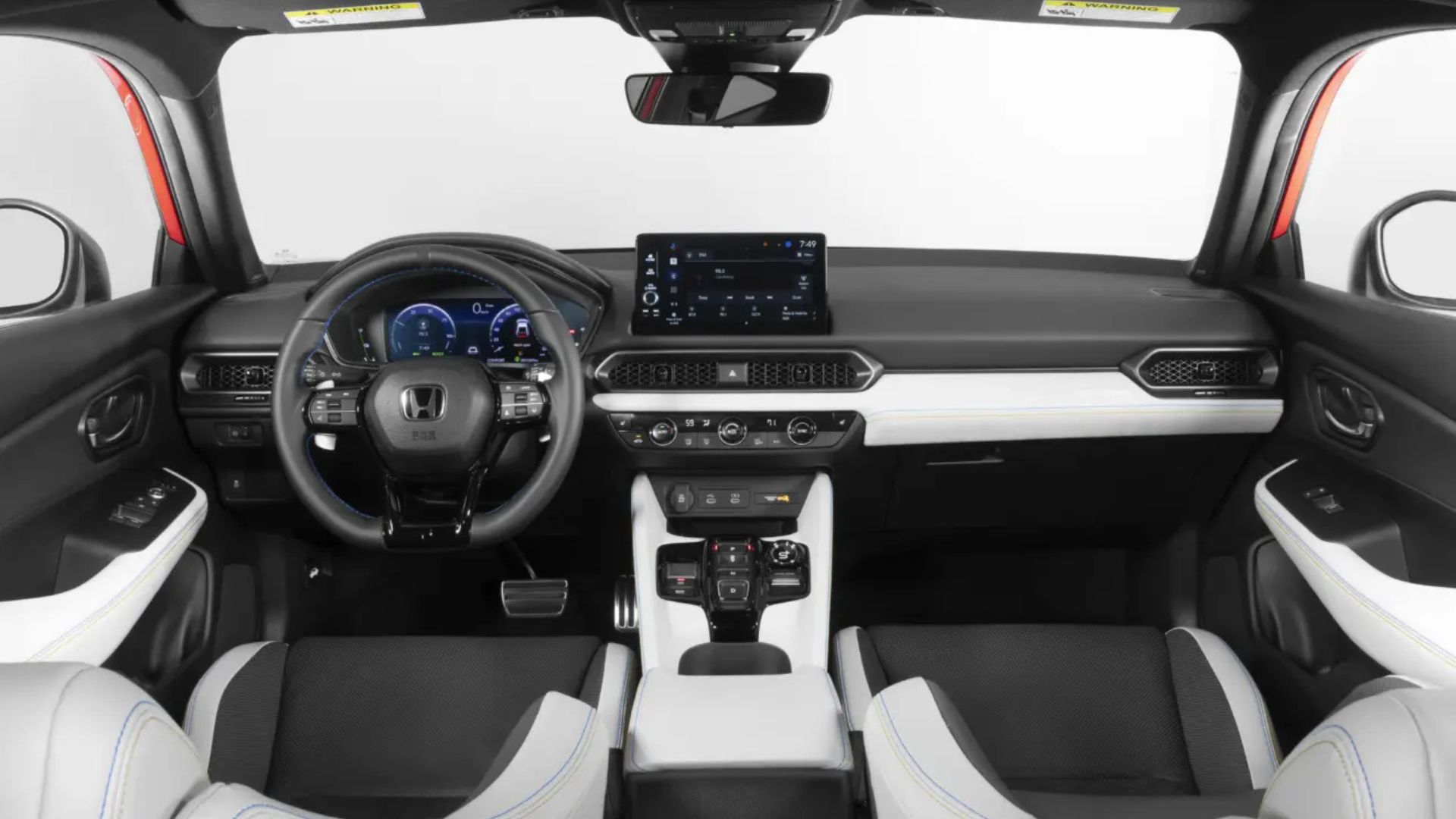

Return of Historic Name, Advancement of Electrification, and Update of Popular Model Mark Next Steps for Honda in Brazil, Focusing on Design, Efficiency, and Onboard Experience Amid Official Announcements and Ongoing Tests in the Country.
Honda is already working on two new products to strengthen its lineup in Brazil, with launches expected starting in 2026.
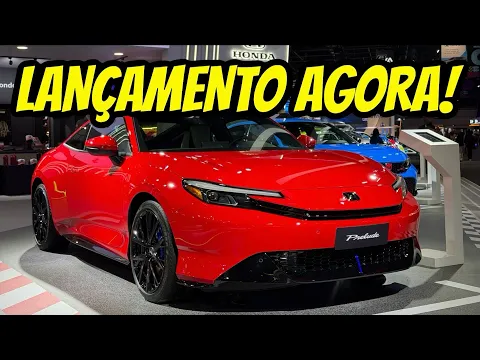
Among them is the confirmation of the new Prelude, a hybrid coupe unprecedented in the national lineup, announced by the brand during the São Paulo Auto Show, held in November 2025.
Concurrently, the manufacturer is intensifying local tests of the City 2026, a model that is expected to undergo visual updates and interior adjustments.
-
Thinking of Installing LED Headlights? Why Replacing Halogen Bulbs is Still Banned, the Glare Risks Authorities Worry About, and How a New Proposal Could Allow Certified, Safe Installations

-
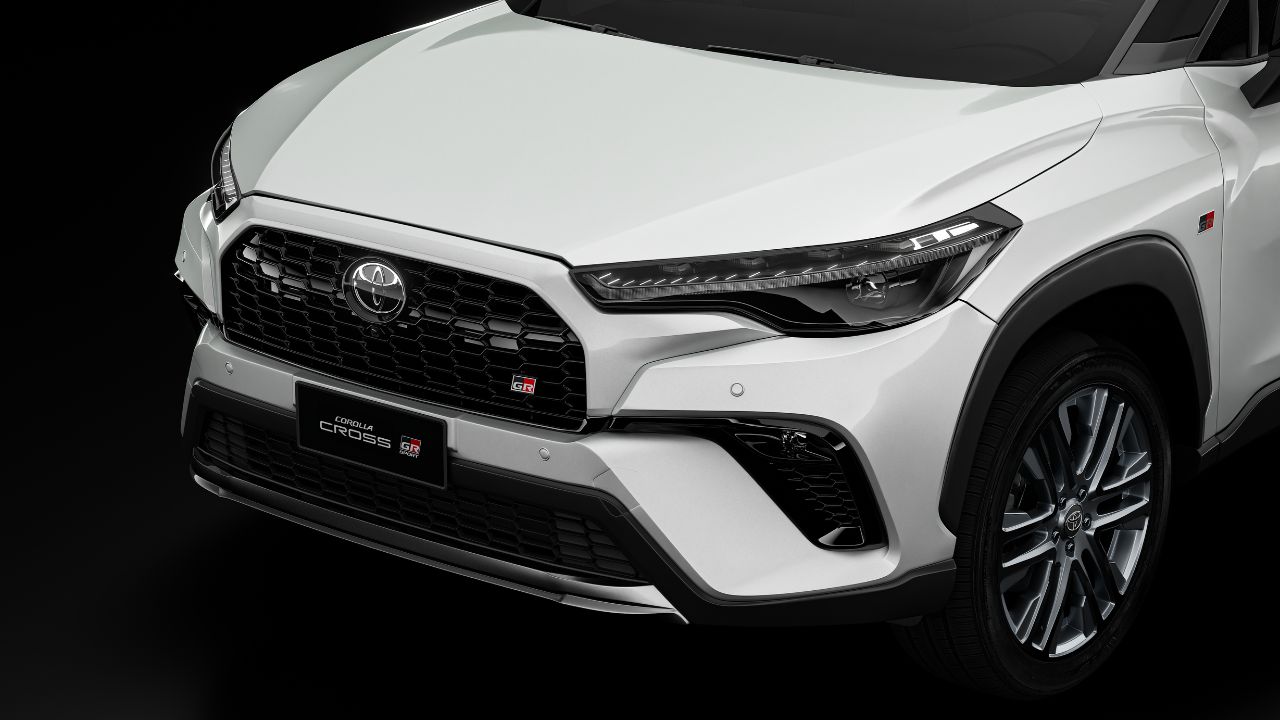
2027 Toyota Corolla Cross Unveiled: New Design, Enhanced Fuel Efficiency, Reduced Maintenance Costs, Advanced Technology, Connected Services, and Up to 10-Year Warranty

-
Fiat Cronos Precision 2018: Affordable Sedan with Spacious Trunk and Reliable Maintenance
-
Volkswagen to Cut Production by 1 Million Cars by 2030, Reducing Jobs and Platforms, Focusing on More Profitable Models




Even with anticipated changes, the tendency is to maintain the mechanical set currently offered.
Throughout 2025, the automaker promoted a series of strategic moves in the Brazilian market.
These actions included changes to key products and repositioning of versions to enhance competitiveness.
Now, the new phase of the strategy combines two distinct focuses.
On one hand, a model of image and technology; on the other, the renewal of a high-volume car.
Hybrid Prelude Marks Return of Historic Coupe to Brazil

Officially unveiled at a public event at the end of 2025, the return of the Prelude brings back a name with a significant history in the national market from the 1990s.
The re-entry comes with a proposal different from the original.
Instead of focusing exclusively on traditional performance, the coupe arrives with electrification and an emphasis on energy efficiency.
Still, the sporty appeal remains a central part of its positioning.
The design retains the typical coupe profile, with low lines and proportions aimed at aesthetics.
This feature becomes more evident when the model is viewed from the side.
At the front, the headlights are thin and interconnected by a light element near the edge of the hood.
At the rear, the LED signature spans across the body and integrates into the trunk lid.
Honda plans to sell the Prelude in a four-seater configuration, in a 2+2 arrangement.
This solution prioritizes style and driving position, maintaining two rear seats for occasional use.
Hybrid System e:HEV Delivers 203 hp and Two Electric Motors
Under the hood, the Prelude will be equipped with the hybrid system e:HEV, with 203 hp of power and 32.1 kgfm of torque declared.
The architecture combines a 2.0 naturally aspirated engine with two electric motors.

Although similar to that used in other hybrids from the brand, the calibration has been adapted to the coupe’s positioning.
The goal is to balance energy efficiency and dynamic response.
In practice, one of the electric motors acts as a generator.
It converts energy into electricity to power the system.
The second electric motor is responsible for sending this energy to the wheels.
This operation occurs in conjunction with the combustion engine, according to the management strategy.
Specialized publications also indicate that the Prelude is expected to debut in Brazil with the S+ Shift feature.
The system simulates gear changes to provide more engaging responses to the accelerator.
Even without conventional fixed gears, the proposal is to create a greater sense of control at the wheel.
Honda, however, has yet to officially detail how the feature works.
The arrival of the Prelude in the Brazilian market is expected in the second half of 2026.
This information was disclosed after the announcement made at the São Paulo Auto Show.

City 2026 Spotted in Tests and Indicates Facelift
While the Prelude has already had its return confirmed, the City 2026 emerges as an awaited update.
Indications come from test sightings conducted in Brazilian territory.
Seen with camouflage, the model suggests that Honda is preparing external adjustments.
In addition, there is an expectation of reorganization of items in the interior.
Externally, the changes are expected to be minor, a common pattern in mid-cycle facelifts.
The camouflage indicates alterations to bumpers and finishing details.
There are no signs of a break from the current design of doors and windows.
Still, the definitive look has not been officially presented.
The real extent of the changes will only be known when the brand reveals the model.
Until then, information remains limited to what tests allow observation.
City’s Interior Concentrates Expectations for News
The interior is the point that generates the most anticipation.
This is because the images released so far do not clearly show the cabin.
Even without formal confirmation, the update may include new elements in the center console.
Advancements in the multimedia center and a redesigned instrument panel are also expected.
These changes usually follow the evolution of connectivity and interface of the model.

Therefore, they are seen as likely within the update cycle.
If confirmed, the changes should affect both the hatch and sedan body styles.
The line shares the same base and has historically received changes together.
1.5 Naturally Aspirated Engine and CVT Should Be Maintained
In terms of mechanics, the expectation is for continuity.
The City is expected to maintain the 1.5 naturally aspirated engine, with 126 hp of power and 15.8 kgfm of torque.
This setup is familiar to Brazilian consumers.
Furthermore, it aligns with cost and maintenance strategy for the model in the segment.
The transmission planned for City 2026 is the CVT with simulated seven-speed.
This configuration is already in use currently.
It is aimed at consumption and smoothness in driving.
In practice, the simulation creates “steps” in rotation to reproduce the sensation of shifts.
Even with speculation regarding electrification, there is no confirmation of a hybrid version in this update.
So far, what is firmly established is the maintenance of the 1.5 naturally aspirated with CVT setup.
Therefore, possible changes focus on design and cabin.
This interpretation is based solely on the sightings already recorded.
Impact of New Products on Honda’s Portfolio in Brazil
With the Prelude, Honda adds a hybrid coupe of image to its Brazilian portfolio.
The model targets an audience interested in style, technology, and electrification.
Meanwhile, the City 2026, if confirmed as a facelift, strengthens a high-volume product.
The expected adjustments primarily aim at finishing and onboard experience.
The combination of these strategies highlights two parallel movements by the automaker.
One focuses on technological showcasing; the other, sustaining sales in a competitive segment.
In this scenario, which of these fronts is likely to have more weight for the Brazilian consumer: the arrival of the hybrid Prelude or the evolution of the City 2026?


