Portuguese
  Spanish


Investment in residential solar energy includes equipment, installation, technical project, homologation, and maintenance, with an average cost between R$ 15 thousand and R$ 35 thousand and an expected return in up to 6 years
According to an estimate published in Monitor do Mercado, the cost of residential solar energy ranges from R$ 15,000 to R$ 35,000 in popular homes in Brazil, including equipment, installation, technical project, and homologation required by the local utility.
Equipment accounts for the largest part of the budget
For many residents, the material kit is the largest slice of the investment. The basic set includes solar panels, an inverter, and mounting structures prepared to support the system.
The price changes according to the installed power and the brand chosen by the family. In an average residence, the system may require about R$ 12,000 in high energy efficiency materials.
-
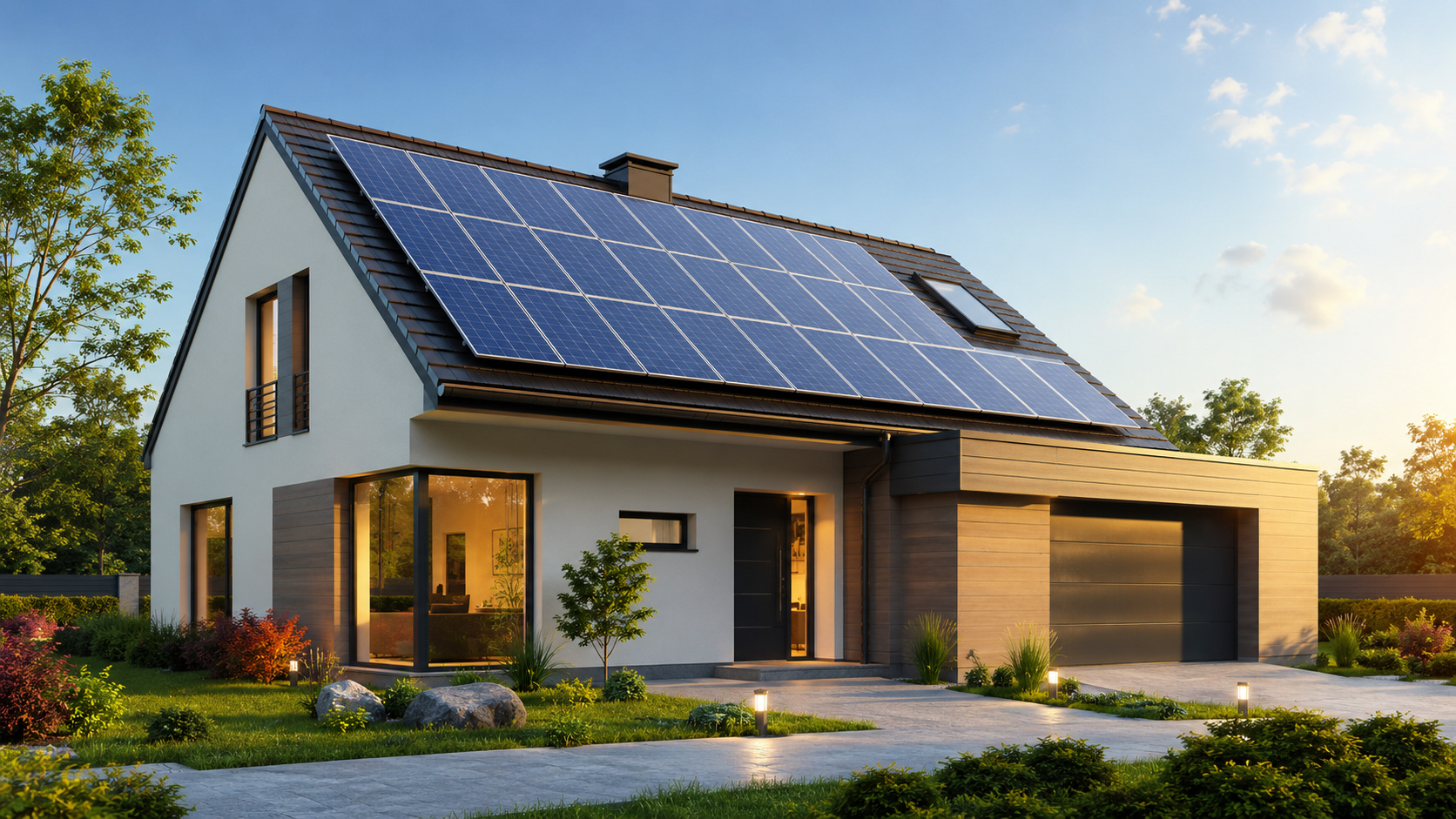
Solar energy can increase property value by up to 10% and become a selling point.

-
Solar and wind energy surpass natural gas for the first time in the world and accelerate energy revolution

-
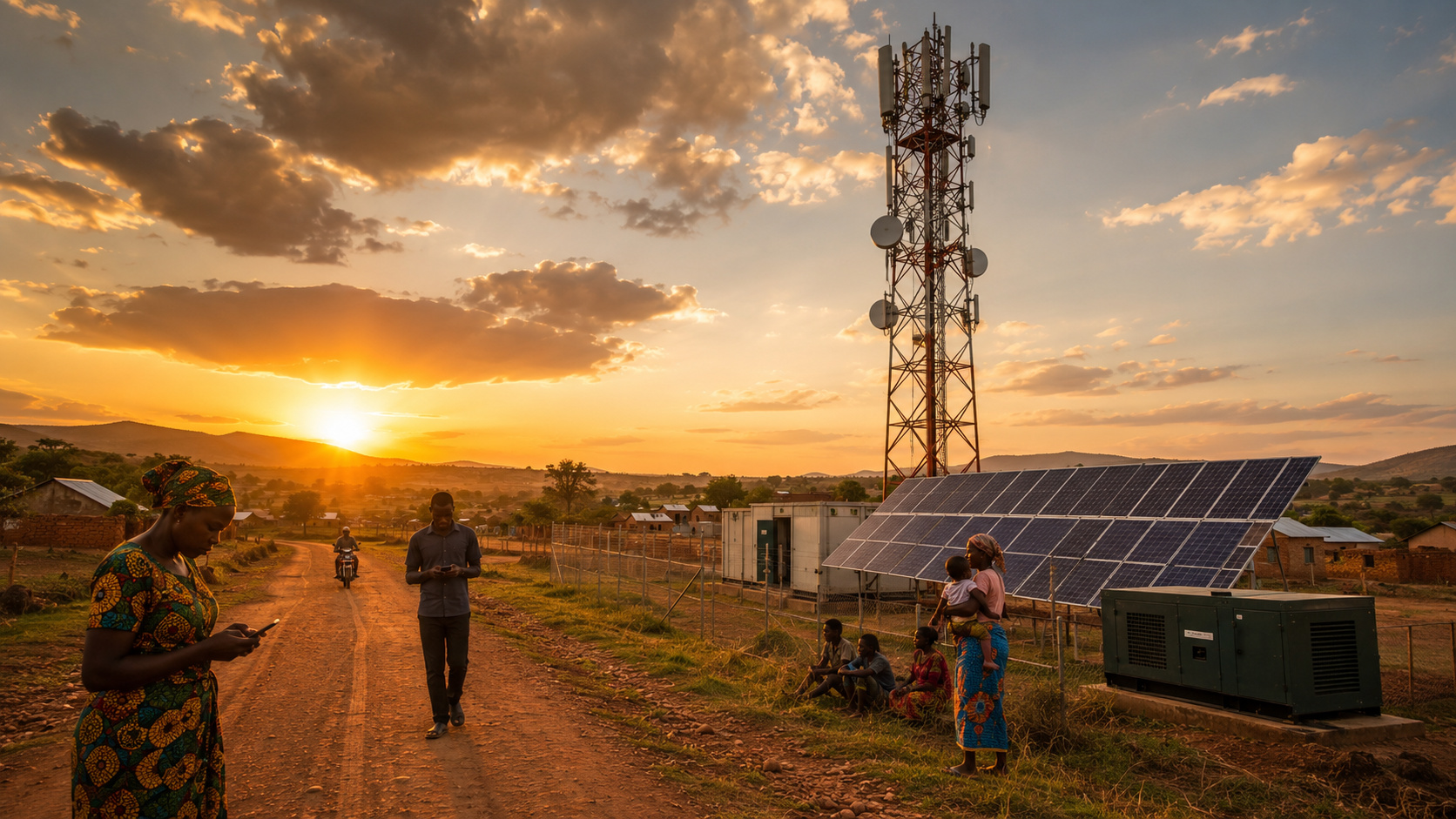
Africa has about 500,000 cell towers and most still burn diesel to operate, while companies rush to cover antennas with solar energy and avoid signal blackouts.
-
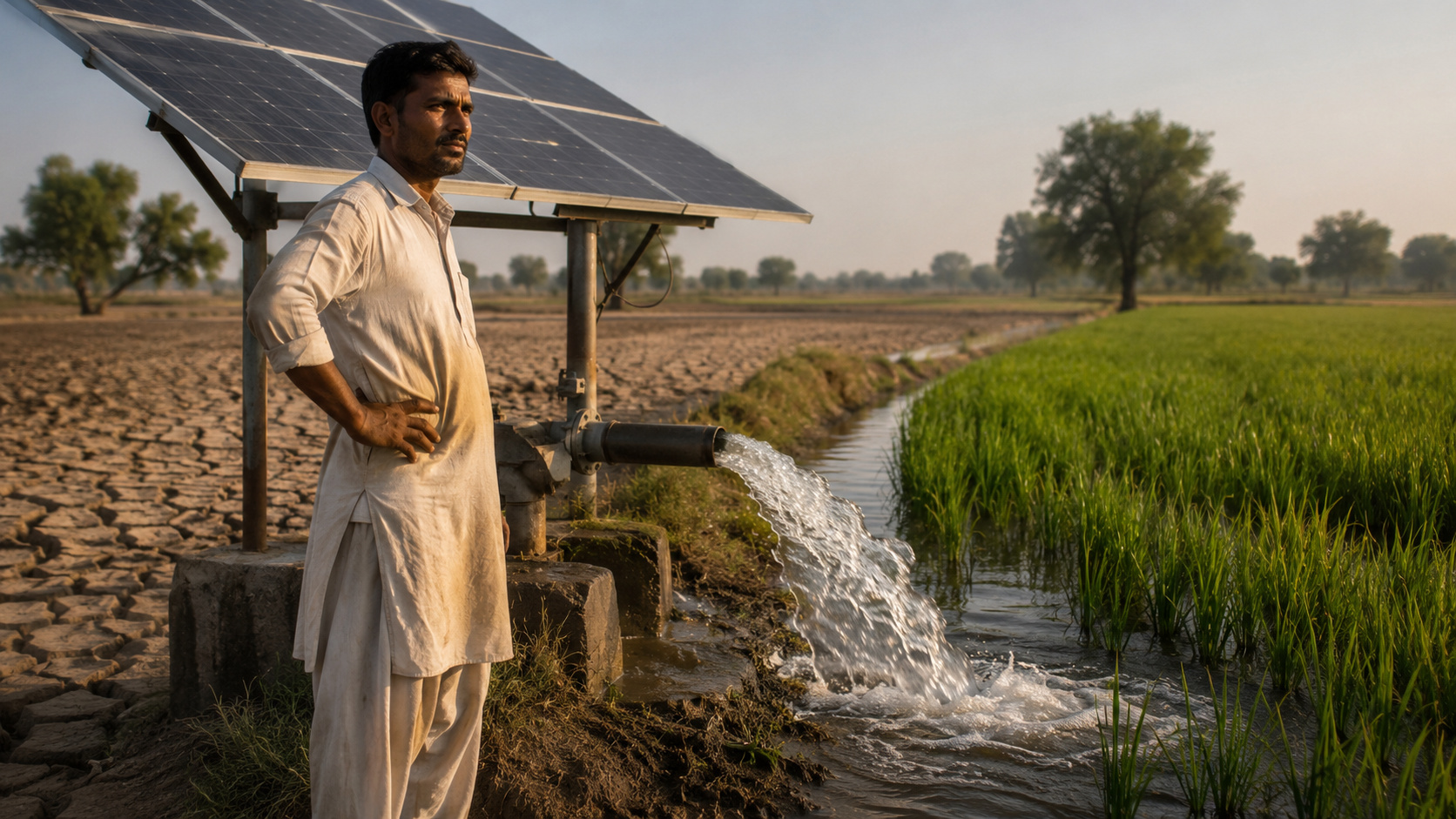
Farmers swapped diesel for solar panels in Pakistan, powered irrigation pumps almost cost-free, expanded rice fields, and now groundwater has become a red alert in the countryside.

These items form the physical basis of generation. Without them, residential solar energy does not transform the light captured on the roof into usable electricity in the property.

Technical project and installation require qualified professionals
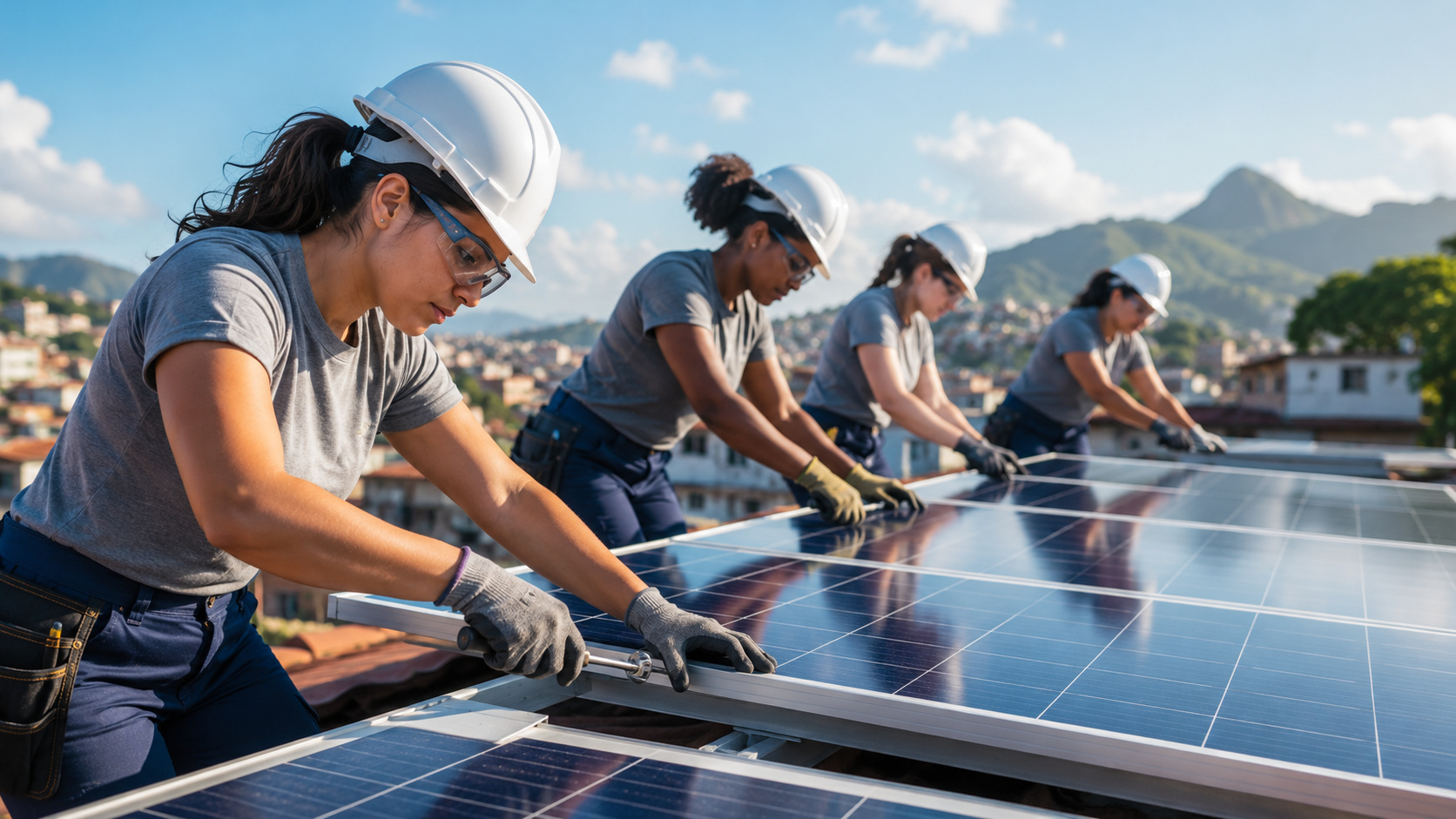
Installation depends on specialized labor to reduce risks of fire, short circuits, and failures in the internal network. Electrical engineers sign the technical responsibility before physical assembly in the house.
Installation represents between 15% and 25% of the total contract value. Greener consultancy points out that technical qualification directly influences the durability of installed solar panels.
This care adds to the budget but helps ensure safety. In residential projects, prepared professionals impact the performance and lifespan of the equipment.
Homologation releases legal use of the system
Switching to a clean source requires authorization from the region’s energy company. The process includes technical inspections of the residence’s entry standard to verify the safety of the connection to the public grid.
Administrative fees vary according to the state and the complexity of the local electrical grid. Although they represent a small part of the investment, these costs are mandatory for the legal operation of the photovoltaic system.
In practice, homologation closes the bureaucratic stage of the project. Without this approval, residential solar energy is not regularized with the responsible utility.
Maintenance helps preserve savings
Panel efficiency depends on periodic cleaning to remove dust and debris accumulated over time. Photovoltaic technology requires little mechanical maintenance, as it has no moving parts in the system.
An annual electrical review is also recommended to check cables and external connectors. This preventive expense avoids a drop in generation and protects the expected savings for the family.
Solar energy: Financial return depends on the local tariff
The time to recover the invested money depends directly on the value of the energy tariff charged in the region. In most cases, the owner recovers the total investment between 4 and 6 years.
After this period, the electricity generated begins to represent a direct gain in the monthly family budget. As systems last more than 25 years, the financial benefit can continue after the initial payment.
Investing in residential solar energy requires financial planning and analysis of each stage. The calculation includes equipment, project, installation, homologation, and maintenance, points that define a safe and economical transition for the property.
With information from Monitor do Mercado.