Portuguese
  Spanish




Hyundai Announces Development of New Low-Cost Electric Car to Compete with Kwid E-Tech. The Vehicle Promises to Cost Around R$ 110,000.
The Hyundai is developing a new low-cost electric car that promises to compete with models like the Seat Mii, Skoda Citigo, and the Renault Kwid E-Tech in Europe. According to information from the website Automotive News Europe, the automaker’s aim is to offer a low-cost electric car with a starting price around 20,000 euros.
Cheaper Electric Car Than Kwid E-Tech Will Arrive for R$ 110,000
The euro price of the low-cost electric car from Hyundai falls within the price range occupied by its main future rivals, being the lowest in the European market for electric vehicles. At the current exchange rate, those 20,000 euros would convert to R$ 110,000 directly, which does not seem like such a low price.
However, this price range is occupied by intermediate and fully equipped versions of some compact cars sold in Brazil, such as the Chevrolet Onix and the HB20, recently restyled by Hyundai.
-
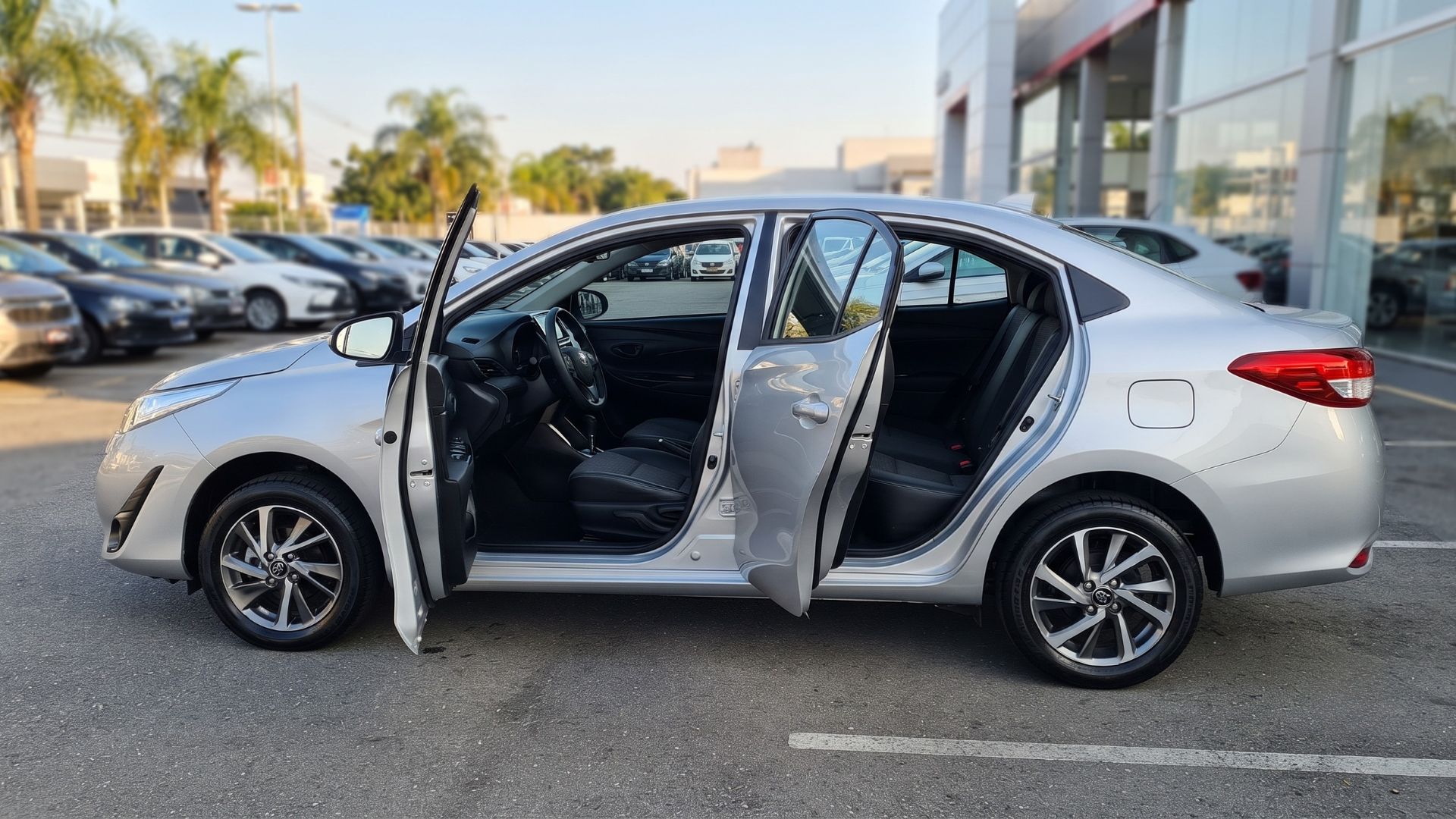
Automatic, economical, and known for reliability: with a 1.5 engine of up to 110 hp, CVT transmission, seven airbags, and fuel consumption of up to 15.9 km/l, this used hatchback appears as a rational alternative to Polo, HB20, and Onix; meet the Toyota Yaris XLS 2020.

-
He surpassed the Tera, Creta, and Tracker: With a TSI engine of up to 150 hp, 6-speed automatic transmission, and a 373-liter trunk, the Volkswagen T-Cross was the best-selling SUV in June, with 11,753 registrations.

-
It looks factory-made, but it came out of a workshop: a mechanic from Pernambuco builds a handcrafted “mini Toyota,” drives it through the streets, and the video goes viral on social media, leaving residents astonished.
-
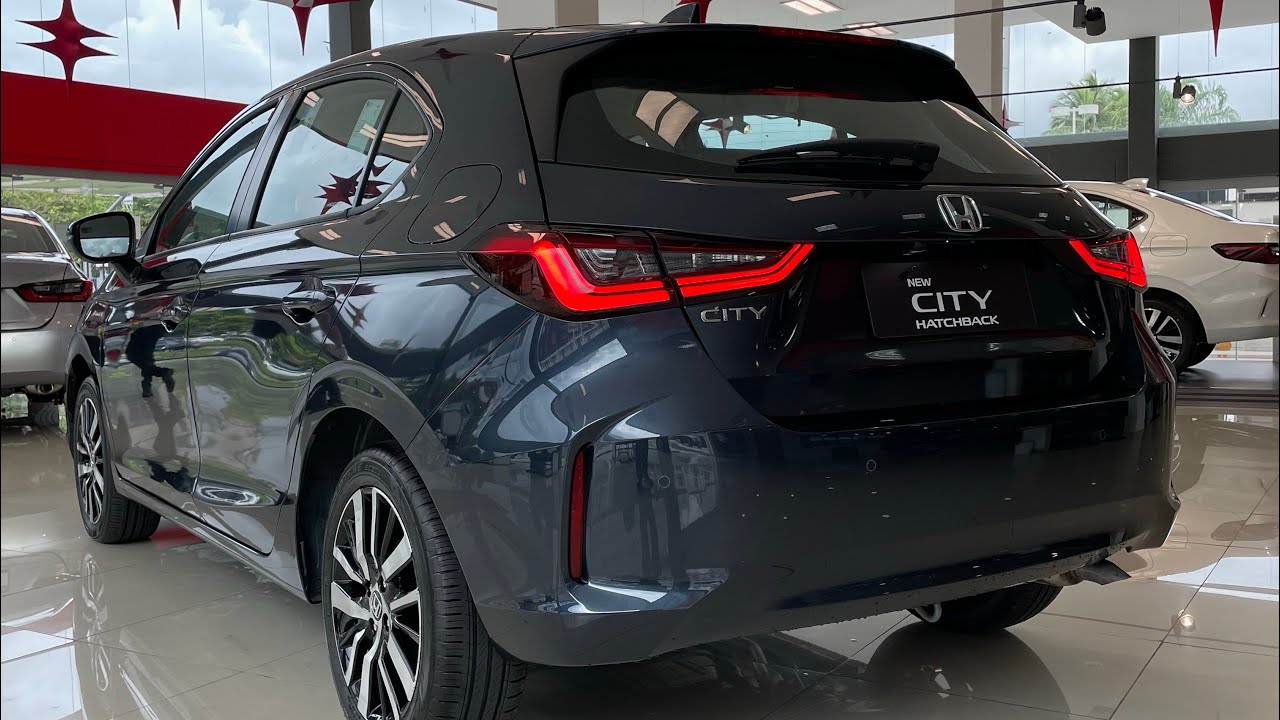
Hatch with sedan space and 1.0 car consumption: equipped with a 1.5 engine with 126 hp, CVT transmission with seven simulated gears, and consumption of up to 17.4 km/l, this used Honda delivers technology, comfort, and reliability; meet the 2022 Honda City Hatch Touring.


Thus, the future low-cost electric car from the South Korean automaker would already be in a range compatible with combustion models sold in the domestic market. It is important to note that the Kwid E-Tech, sold in Europe as the Dacia Spring, costs less than 20,000 euros in the old continent, but in Brazil it is priced no less than R$ 146,990.
Kwid E-Tech Rival Vehicle May Be Successor to Current Hyundai i10
Disregarding Brazilian market prices for a moment, there is still limited information on the technical aspects of the low-cost electric car. However, aside from the price question, Hyundai has left other clues. According to Andreas Christoph Hofmann, the brand is developing a small car.
There is a good chance that this future model will be a successor to the current Hyundai i10, whose latest generation was introduced by the automaker in 2020. Smaller than an HB20, the model is a subcompact measuring just 3.67 meters in length, shorter than the Kwid E-Tech.
If replaced by an electric car of similar size, the model would be larger than the CAOA Chery iCar, which is only 3.20 meters long. In addition to plans for a low-cost electric car, Hyundai also plans to launch a real electric offensive in Europe. By the beginning of the next decade, the South Korean automaker aims to release 11 new electric cars. Therefore, the expectation is that models will emerge across various price ranges.
Hyundai Develops Technology to Prevent Drunk Drivers
Drunk driving is one of the leading causes of serious traffic accidents. Therefore, Hyundai is developing technology that promises to prevent drivers from operating a vehicle after consuming alcohol.
Hyundai Mobis, the brand’s parts manufacturing unit, has developed a type of smart cabin capable of preventing drunk or fatigued drivers from operating the vehicle.
The system detects biological signals from the individual and can block access to driving controls based on that information. For analysis, the device monitors the driver’s posture, heart rate, and brain waves.
In total, there are four sensors that measure biosignals, a controller that analyzes them, and a software logic, all in real-time. There is also a 3D camera that captures the driver’s posture and an ECG sensor in the steering wheel, measuring brain waves, and an HVAC sensor that measures cabin temperature, humidity, and CO₂ levels.