






 Portuguese
  Spanish
  4 min of reading
  0 comments


Why detectors do not identify books written by AI
Text detectors like ZeroGPT and Grammarly work by identifying statistical patterns that differentiate human writing from artificial writing. The problem is that these patterns are inconsistent. Detectors have already classified fragments of the Bible and renowned works of Spanish literature as books written by AI, while texts proven to be generated by artificial intelligence pass through the same detectors as 100% human.
The technical reason is that language models like ChatGPT and Claude do not actually write: they calculate, word by word, what the next most likely word is given the previous context. This produces coherent, well-structured, and grammatically impeccable texts, but also flat and predictable. The detectors try to identify this predictability, but a human who writes well and with correct structure ends up being penalized for the same reason: technical and clean writing looks like books written by AI, even when it is not.
The paradox of writing too well
Writing correctly has become a reason for suspicion in a world where AI detectors penalize accuracy. 100% human texts are detected with up to 80% probability of having been generated by AI when the writing is technical and well-structured, according to reports from academics who use these systems in universities.
-
Federal Police involved in the case to identify the person responsible for hacking the Civil Defense system, which sent ten false alerts, frightened residents of different capitals, and turned messages about real risks into notifications with “misanthropy” and even alien attacks.

-
Extreme drought causes ghost village to reappear at the bottom of the reservoir that supplies Athens, revealing houses, a school, and ruins swallowed since the 1980s as the lake shrinks and exposes the water crisis threatening the capital of Greece.

-
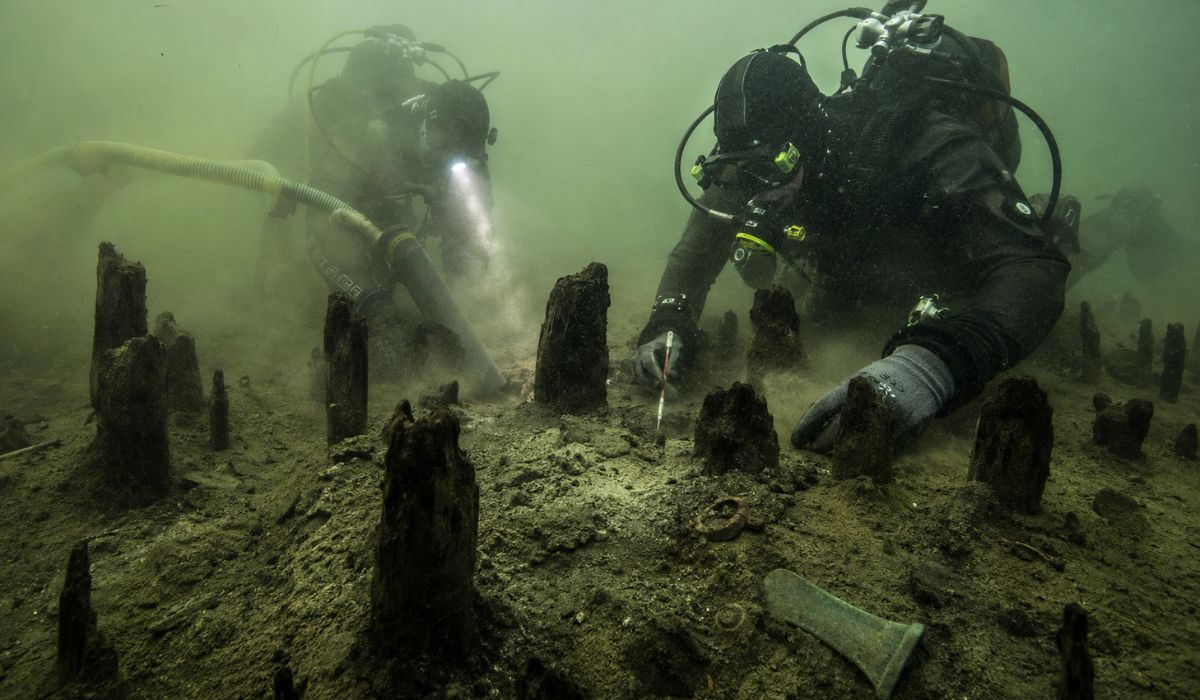
An entire village lay asleep at the bottom of a lake for 3,000 years: divers suction sediments in Italy and reveal more than 600 wooden stakes, bronze tools, and traces of a Bronze Age settlement hidden underwater.
-
They call it the “Shopee house” and even cardboard, but the R$ 20,000 house is a certified Wood Frame from Alea, financed by Minha Casa Minha Vida: understand if it’s worth more than masonry.



The solution that some writers have found is disturbing: writing with intentionally more disjointed sentences and less absolute precision so that detectors identify the text as human. The result is that books written by AI with artificially inserted imperfections pass as human, while books written by humans with technical quality are flagged as artificial. The detection system is, in practice, reversing the logic it should apply.
How books written by AI pass through competitions
The submission process for the Commonwealth Prize, like that of many literary competitions, relies on self-declaration. Authors confirm that the work is original and unpublished, and judges evaluate the literary quality without using detection tools. Granta stated that “it does not use AI systems at any stage of the evaluation process,” including because submitting unpublished works to an AI system would raise “serious questions about consent and intellectual property.”
This approach leaves the door open for books written by AI to enter competitions without being detected. If the author declares that the work is original and no tool can reliably prove otherwise, the system relies entirely on the participant’s honesty. And when the author themselves can be an AI-generated profile, as the case of the Commonwealth Prize suggests, even the human identity of the writer becomes questionable.
What is at stake when books written by AI win awards
The awarding of books written by AI in literary competitions is not just a technical issue, it is an artificial intelligence problem that affects the credibility of the entire publishing industry. Writers who dedicate months or years to a work compete against machines that produce texts in seconds, and if judges cannot distinguish one from the other, the incentive to write honestly diminishes.
For the reading public, the question is whether the origin matters when the result is indistinguishable. For writers, the answer is unequivocal: it matters, because literature is not just correct text, it is experience, intention, and humanity. The issue that no one has managed to solve so far is how to ensure this distinction when even artificial intelligence itself cannot identify what it has written.
Would you read a book knowing it was written by AI? Do you think literary awards should require proof of human authorship or is the quality of the text what matters? Tell us in the comments.





Be the first to react!