Portuguese
  Spanish




Investment in Tocantins exposes asset diversification of Brazilian singer, with large-scale rural property in strategic region of Matopiba, valued by market estimates that vary widely and draw attention due to productive potential and privileged location.
The acquisition of a farm with about 2,000 hectares in Dianópolis, in southeastern Tocantins, brought Alexandre Pires‘ name into the agribusiness news, expanding the perception of his activities beyond the stage and the music industry.
Associated with the singer in reports published in March 2026, the property known as Fazenda Arara Preta began to be mentioned with market estimates between R$ 16 million and R$ 61 million, a variation explained by factors such as location, land quality, and productive potential.
The repercussion grows when observing the size of the property, often compared to about 2,500 football fields, which helps to gauge the size of the area and reinforces the economic interest sparked after the negotiation was disclosed.
-
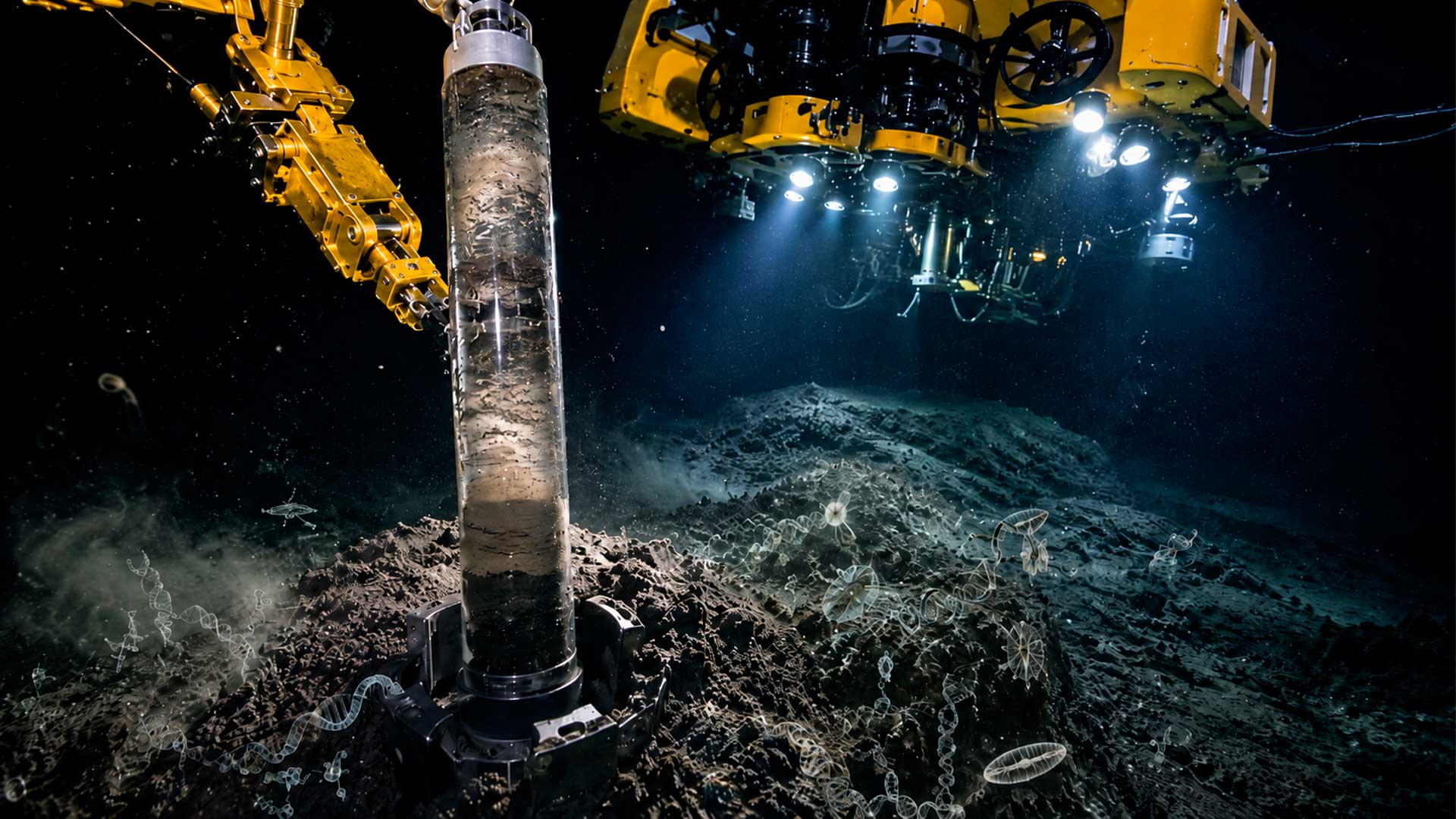
At a depth of 5,000 meters, where there is no sunlight, researchers found ancient DNA preserved in the mud of the South Atlantic and discovered signs of organisms that did not match known records.

-
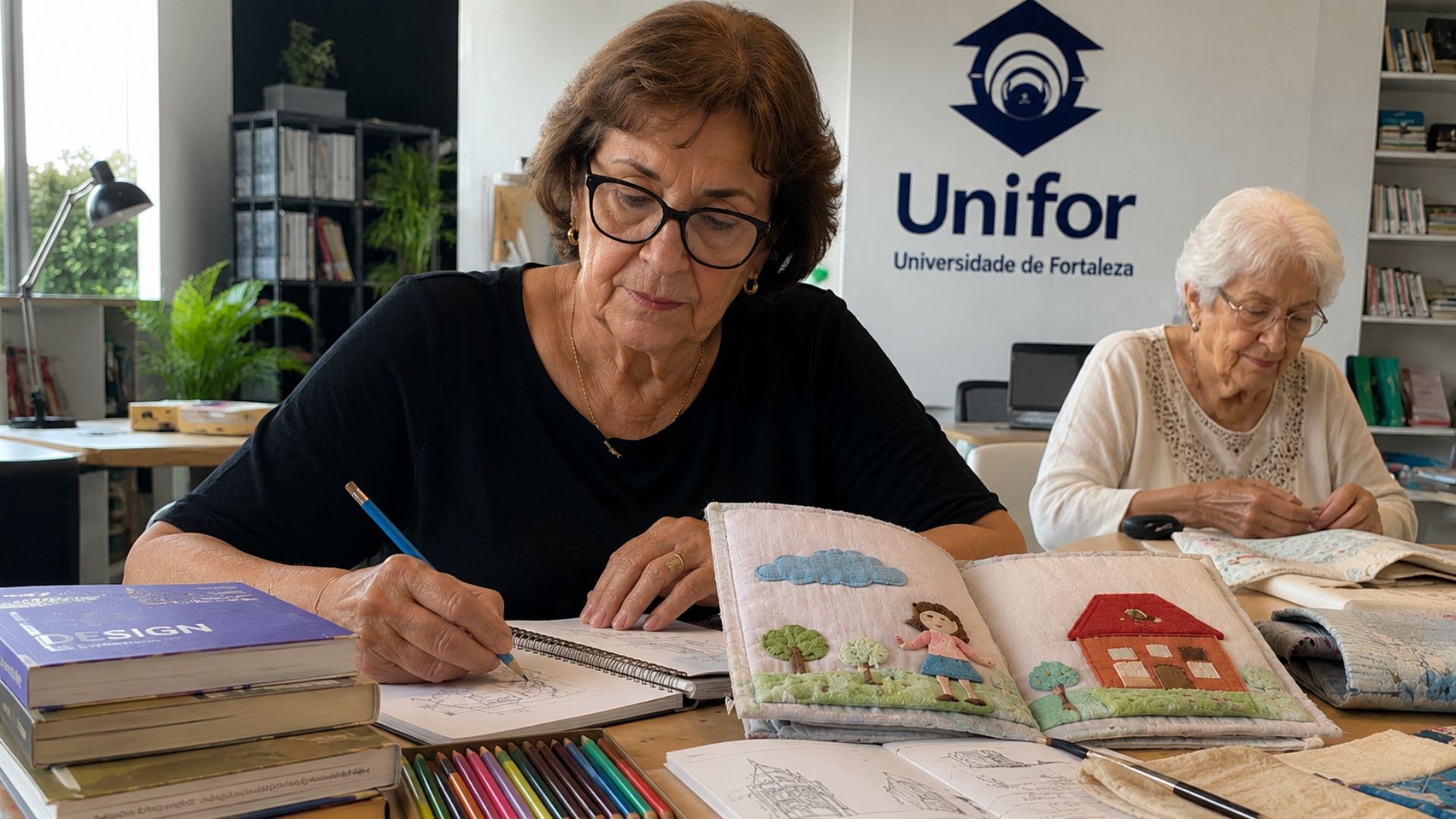
At 77 years old, a retired woman who never tires of learning completes her second degree in design in Ceará and moves people by revealing the help of her 98-year-old mother in the final project.
-
China’s masterstroke: a plant capable of regrowing even when buried by sand helps to recover more than 7,300 hectares of desert with 5 million seedlings, roots over 10 meters deep, and rainfall below 150 mm per year.
-
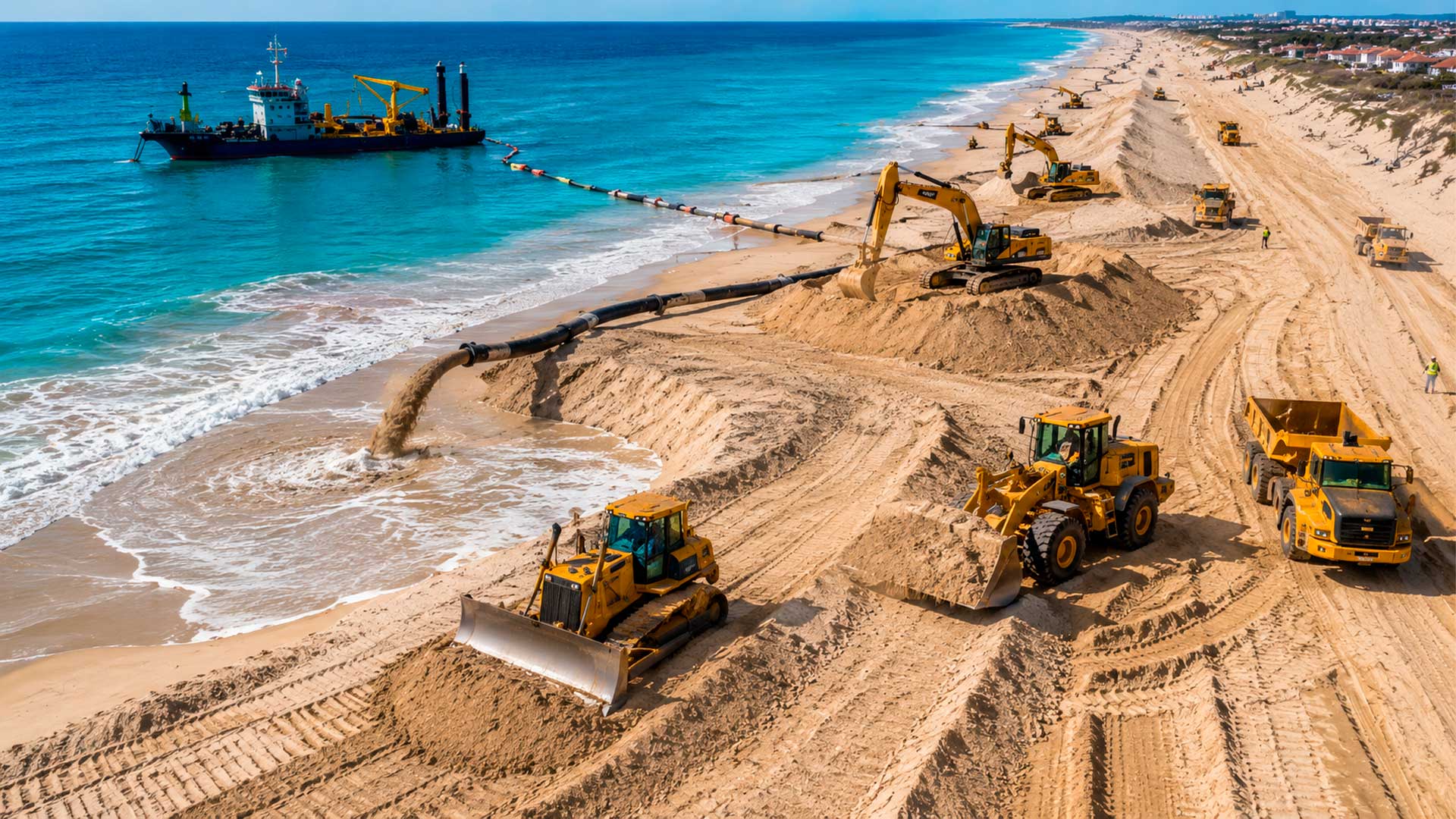
Portugal placed 1.4 million m³ of sand in the Algarve, spent 14.9 million euros to recover 6.7 km of beaches between Quarteira and Garrão, and is now trying to gain 37.5 meters of shoreline before the sea advances again.

According to reports disseminated by specialized media and replicated by news portals, a significant part of the area presents conditions for productive use, a characteristic that tends to directly influence both the financial evaluation and the interest of investors in the rural sector.
In addition to the territorial extension, the municipality of Dianópolis stands out for being located in a strategic strip of Tocantins that integrates the Matopiba, a region recognized by institutions such as IBGE and Embrapa as one of the main agricultural expansion fronts in Brazil.
Situated near the western part of Bahia, the area gains even more relevance in the land market due to its geographical position, considered one of the central elements for the appreciation of large rural properties, especially in zones with a recent history of productive growth.
Strategic location in Brazilian agribusiness


The farm attributed to the singer is about 90 kilometers from Luís Eduardo Magalhães, in Bahia, a municipality established as one of the main hubs of national agribusiness, with a strong presence of grain production, specialized services, and logistical infrastructure.
This proximity strengthens the potential of the property by facilitating the flow of production and access to inputs, in addition to expanding the possibilities for integration with already established production chains in the region, an aspect valued in large rural enterprises.
Over the past few decades, the environment has undergone significant transformations driven by mechanized agriculture, especially in the Cerrado, a scenario that has increased the competitiveness of areas previously considered peripheral on the Brazilian productive map.
Technical publications indicate that Matopiba encompasses municipalities with accelerated agricultural activity expansion, forming a frontier that combines land availability, technological evolution, and growing interest from national and foreign investors.
In this context, properties with easy access, water availability, and mechanization potential tend to be more valued, as they offer conditions for different exploitation models, from livestock to intensive cultivation.
On the other hand, the presence of structured centers like Luís Eduardo Magalhães directly influences the regional dynamics, concentrating services, equipment commercialization, and essential technical support for large-scale operations.
Value of the farm and rural market estimates
The value of the property appears as the most sensitive point of the disclosed information, especially because the amount of R$ 61 million has begun to circulate as a reference, although there is no public confirmation that this was the price actually paid.
In practice, the number results from estimates based on the local land market, which consider metrics such as area size, conversion to acres, and average values applied to lands with similar characteristics in the same region.
Some analyses start from the equivalence of 2 thousand hectares to just over 400 acres, a basis used for projections that vary according to technical factors, including soil quality, topography, water availability, and infrastructure presence.
This methodology explains the difference between minimum and maximum values attributed to the property, as each variable can significantly impact the final price, especially in regions with strong recent appreciation.
Another relevant piece of data indicates that about 1 thousand hectares would be effectively usable, an aspect that weighs in the economic evaluation, since not all the total extent of a farm can be directly allocated to production.
Preservation areas, watercourses, and natural limitations usually reduce the usable portion, which is why productive potential becomes one of the main criteria in defining the market value of rural properties.
Alexandre Pires in agriculture and investment diversification
With a consolidated trajectory in Brazilian music, Alexandre Pires expands his role by being linked to an investment of this magnitude, a movement that follows a trend observed among artists seeking to diversify their sources of wealth.
In recent years, names from the entertainment industry have begun to direct part of their earnings to the rural sector, attracted both by the potential for appreciation and by the possibility of generating income from agricultural production.
In the case of the farm in Dianópolis, disclosed information indicates that the initial operation would be focused on cattle ranching, with a future expansion perspective into agricultural activities, a common strategy in recently incorporated properties.
This model allows for a gradual adaptation to the sector, reducing operational risks while structuring production, especially in areas that are still in the process of productive development.
The choice of Tocantins, in this scenario, aligns with the growth of the region within the Brazilian agribusiness, which has attracted investors interested in areas with relatively lower costs and potential for appreciation.
Although this does not guarantee a return, the growing interest in land in the southeastern part of the state helps explain the visibility of acquisitions involving public figures.
Farm as a strategic asset and long-term heritage
When investing in rural properties, celebrities often seek not only diversification but also exposure to a sector that generates a large economic volume and has structural relevance in the Brazilian economy.
In the episode involving Alexandre Pires, the repercussions were driven less by a formal announcement and more by market reading regarding the size of the area, its location, and the buyer’s profile.
In this type of operation, the land is treated as a long-term strategic asset, whose value is directly linked to concrete factors such as infrastructure, productive suitability, and regional dynamics.
Regions included in agricultural expansion fronts tend to attract greater market attention, which can influence both the appreciation and liquidity of large-scale properties.
Despite this, the absence of official information regarding the contract, final price, and detailed exploration plan requires caution in interpreting publicly disclosed data.
Based on what has been reported, it is possible to affirm that the farm in Dianópolis is part of the singer’s asset diversification movement and that the value of R$ 61 million represents the top of the estimates, without confirmation as a closed price.
The case thus brings together a nationally prominent artist, a large-scale property, and a strategic region of agribusiness, elements that explain the attention generated in Brazilian economic and rural news.