






 Portuguese
  Spanish
  3 min of reading
  0 comments


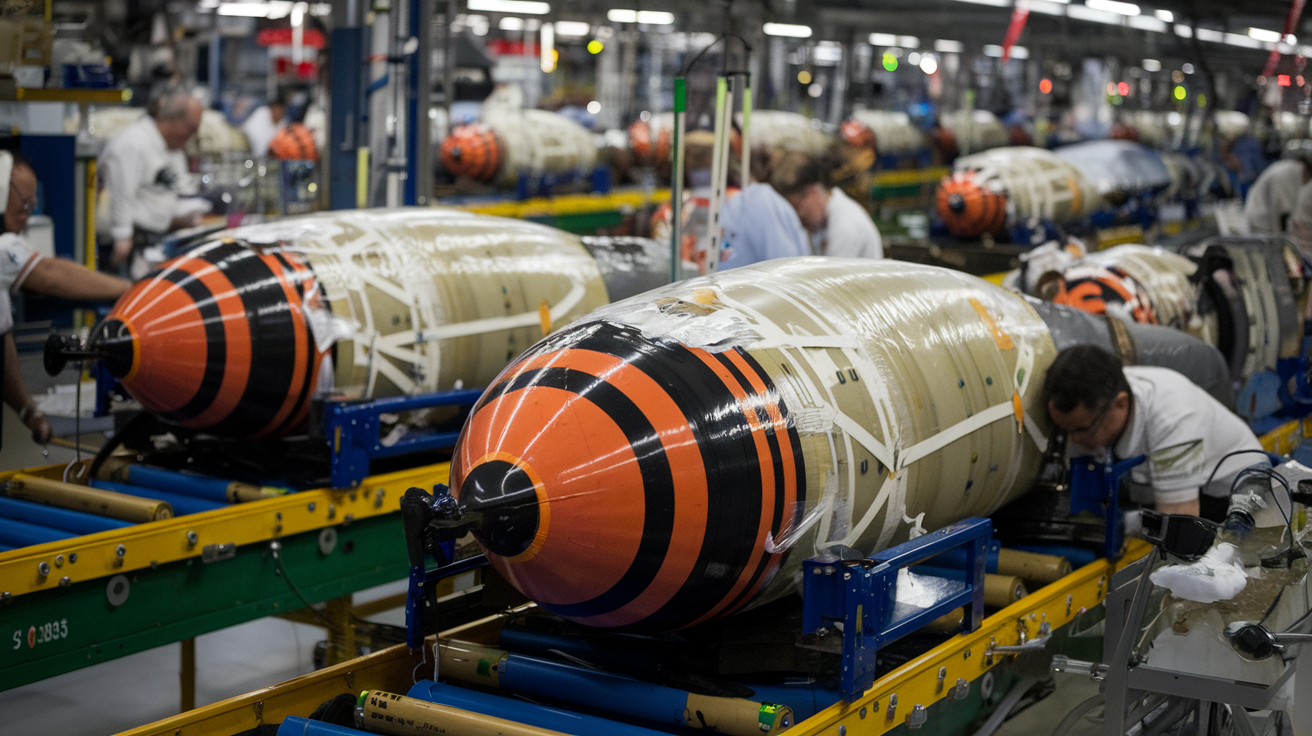
Mysterious Island in the South China Sea Could Transform Country into Nuclear Superpower: Discover How a Secret Project Is Shaping Global Geopolitics and Alarmed Major Powers.
The mysterious island in the South China Sea of Changbiao, located in Eastern China, has transformed from an inhospitable and isolated territory into the center of one of the most advanced and protected projects of the Chinese government, which could now turn it into a nuclear superpower. In recent years, the island in the South China Sea has been transformed with the construction of “fast breeder” nuclear reactors, a technology that can produce military-grade plutonium.
China Could Surpass Russia and the US as a Nuclear Superpower
Despite the Chinese Communist Party’s claims that the project has exclusively civilian purposes, analysts and Western authorities have doubts about this official version. Admiral Sir Tony Radakin, Chief of the Defence Staff of the United Kingdom, recently highlighted that the world has entered a “third nuclear era,” with the growing threat from China as one of the main concerns.
Studies indicate that the expansion of the Chinese nuclear arsenal, with the mysterious island project in the South China Sea, could soon equal that of superpowers such as the United States and Russia, changing the global balance of power. Experts assert that fast reactors can produce highly pure plutonium, used in nuclear weapons.
-
Ukraine launches largest drone attack on Moscow since 2022, Russia claims to have intercepted nearly 200 aircraft near the capital, Kapotnya refinery targeted again, and offensive reignites alert about war reaching the Russian energy heart just a few kilometers from the Kremlin.

-
Truck drivers, freight, and fines from 2022 take center stage in politics: Chamber approves MP with amnesty, mandatory tracking by CIOT, million-dollar penalties, and new minimum wage for those who spend more than 24 hours on the road.

-
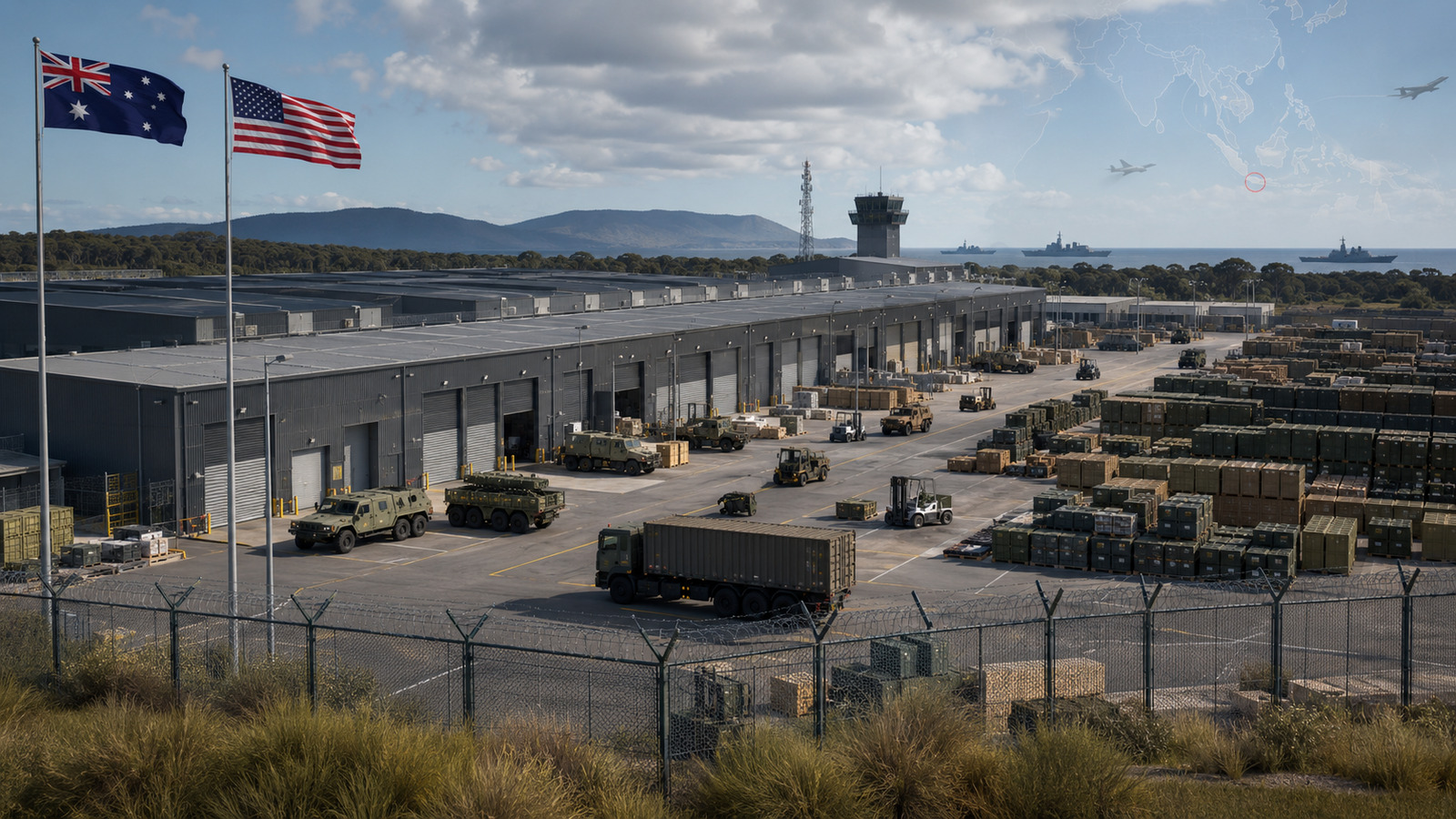
China off the radar: US plans mega $30 million weapons depot in Australia, out of reach of most Chinese missiles, with full capacity expected by 2028

-
Trump’s wall advances at a rapid pace: government promises to complete a barrier of over 3,000 km by 2027 while drones and cartels turn the US border into a new field of technological dispute



A report from the United States Department of Defense revealed that China has modernized its intercontinental missiles, started construction of new storage silos, and is connecting two fast reactors to the power grid, promising to become a nuclear superpower.
Island in the South China Sea Could Produce 50 Nuclear Warheads
The fast reactors, such as the CFR-600 under construction on the mysterious island in the South China Sea, use fast neutrons to create more plutonium than they consume.
Each reactor has the capacity to produce about 200 kilograms of plutonium per year, enough to produce 50 nuclear warheads, according to experts, making China a nuclear superpower. Although the produced plutonium cannot be used directly in weapons, it can be processed in specific facilities, some already under construction in China.
While the government denies any military intentions with the project on the new island in the South China Sea, the United States and other countries remain skeptical. Intelligence reports reveal that Russia plays a key role in supplying essential materials for China’s fast reactors. In 2022, Rosatom, the Russian state atomic energy company, sent essential fuel for the generation of the first reactor.
Moreover, a cooperation agreement signed in March 2023 between Rosatom and China’s atomic energy authority is expected to expand the partnership in projects like fast reactors. Such an alliance raises concerns among Western powers, as it strengthens China’s advance in the global nuclear race.
Impacts of China as a Nuclear Superpower
Analysts indicate that the expansion of the nuclear arsenal with the mysterious island in the South China Sea is linked to President Xi Jinping’s ambition to “reunify” Taiwan with mainland China, potentially by force. The nuclear buildup would serve as a deterrent against U.S. military intervention, which has promised to defend Taiwan in the event of an attack.
Nikolai Sokov, a former negotiator of nuclear treaties for Russia, compared China’s posture to Vladimir Putin’s behavior during the conflict in Ukraine.
According to him, the nuclear arsenal would be used as a tool to intimidate adversaries and negotiate from a position of strength. This strategy reflects increasing tensions in Asia and China’s growing role as a nuclear superpower, with the island in the South China Sea.





Be the first to react!