Portuguese
  Spanish


Authorized increase directly impacts the public’s pockets, makes products and services more expensive, and further expands the distributor’s challenges amidst an image crisis and regulatory pressure
The increase in the bill for electricity is once again a central concern for Brazilians. The information was released by sector analyses after a decision by the National Electric Energy Agency (Aneel), which authorized an average adjustment of 5.7% in energy tariffs, directly impacting residential consumers and businesses. In a scenario already marked by high inflation and high interest rates, the measure comes at a time considered inopportune for both the population and the distributor itself.
Initially, it is important to understand that any increase in the energy tariff does not only affect the amount paid monthly by the consumer. On the contrary, this type of adjustment creates a ripple effect in the economy, raising production costs and pushing up the price of various products and services. In other words, the impact goes far beyond the electricity bill.
Electricity adjustment increases pressure on consumers and inflation
When electricity becomes more expensive, the effect quickly appears in daily life. This happens because practically all sectors depend on this input to operate. Thus, from small businesses to large industries, they end up passing this increase on to the final consumer.
-
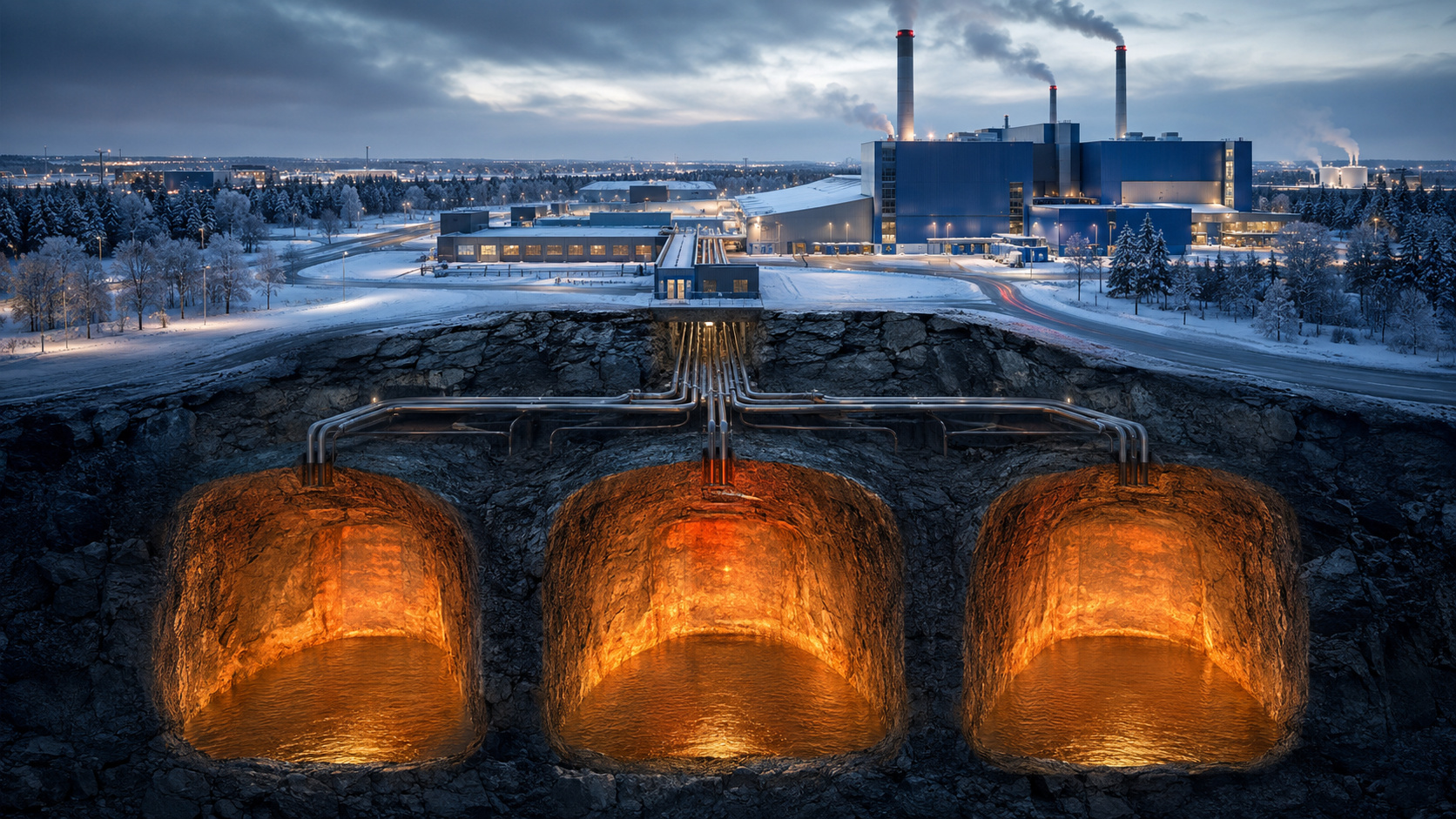
California Project Aims to Store Heat Underground in Former Oil Reservoir to Generate 100 kW of Electricity for Over 12 Hours

-
French Port Harnesses Industrial Waste Heat to Power Up to 30,000 Homes
-
Belgian Port to Install Shore Power for Cruise Ships by 2027, Cutting Dock Emissions by Up to 5% and Meeting EU Regulations
-
Canadian Project Converts Hot Water from Mature Oil Fields into Electricity, Repurposing Existing Wells and Infrastructure




Consequently, citizens face a double impact: they pay more for their energy bill and, at the same time, bear the increase in prices for food, transport, services, and other essential items.
Furthermore, consumers of different profiles have already begun to feel the effects of this adjustment of 5.7%. Small and large users lamented the increase and are already projecting losses or the need to pass on costs. Therefore, the scenario becomes even more challenging in a sensitive economic context, marked by persistent inflation.
Enel’s image deterioration intensifies amidst tariff increase
On the other hand, the increase also represents a significant challenge for Enel, responsible for energy distribution in several regions. The company still faces difficulties in recovering its image after being named one of the worst in the sector in Brazil.
In this context, any failure in energy supply — whether caused by climatic events or problems such as cable theft — ends up being directly attributed to the company. Thus, rebuilding consumer trust was already a complex task, and the tariff adjustment makes this process even more difficult.
Furthermore, the situation gains even more relevance because Enel is seeking the early renewal of its concessions, including in states such as Ceará, São Paulo, and Rio de Janeiro. In this process, public perception can directly influence the technical evaluations conducted by Aneel and the Ministry of Mines and Energy.
Economic impact and challenging scenario for the market
Given this scenario, the increase in the energy tariff adds to other economic factors that are already pressuring the market. The result is a more difficult environment for both consumers and businesses.
On one hand, the population faces a reduction in purchasing power. On the other hand, businesses need to deal with higher operational costs, which can affect investments, job creation, and economic growth.
Therefore, the adjustment of 5.7% in electricity is not just a one-time increase. In practice, it reinforces a broader scenario of economic pressure, where tariff decisions directly impact the lives of the population and the performance of companies.
Have you already felt the impact of the increased electricity bill in your pocket in recent months?