






 Portuguese
  Spanish
  3 min of reading
  1 comment


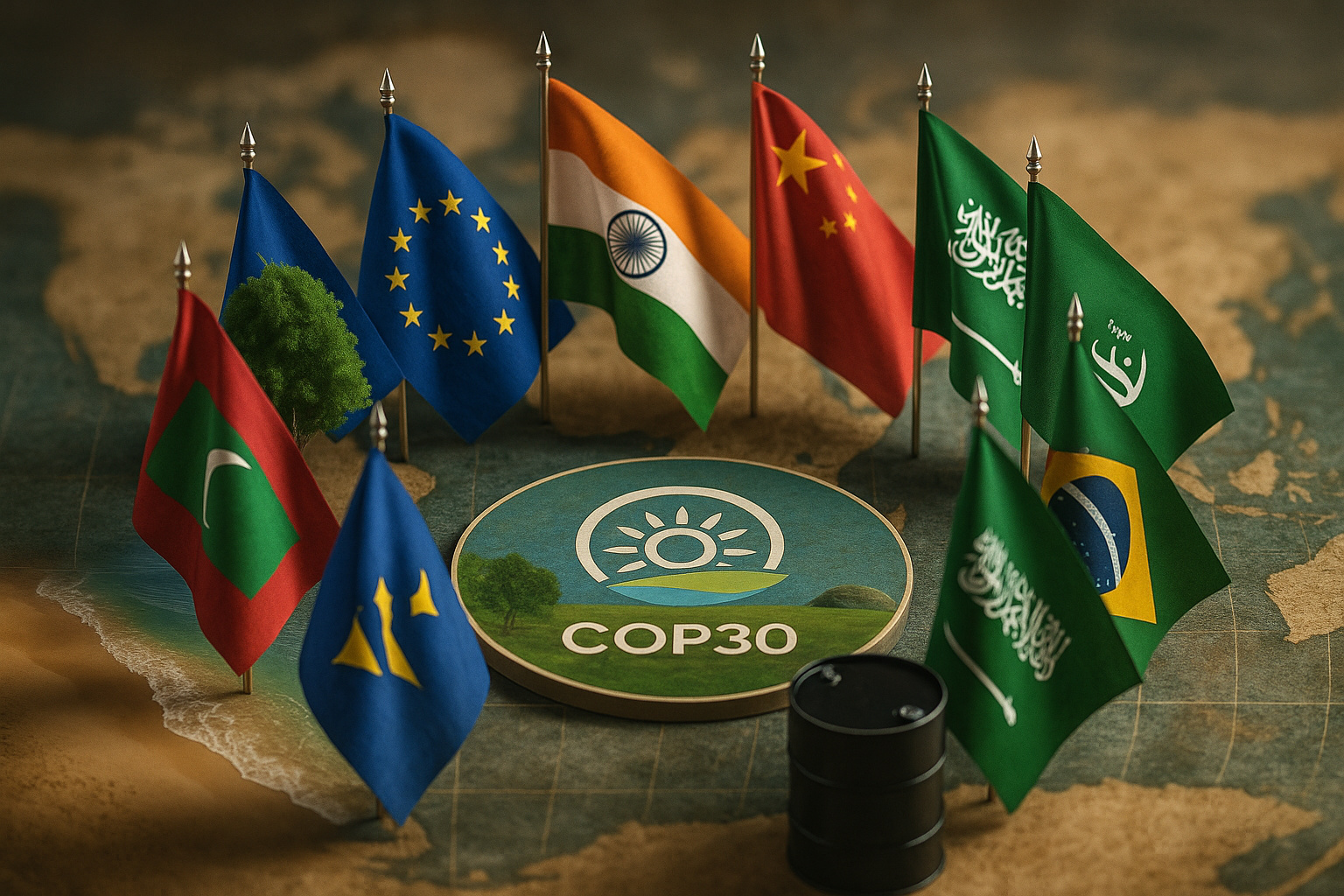

Negotiations Advance With Complex Alliances, Distinct Positions, and Mutual Pressures Among the Main Blocks Present at the Climate Conference
COP30, held in Belém, progresses with intense negotiations that, although conducted in a cooperative environment, still reveal strong divergences among the main global blocks. Since the beginning of the conference, Brazil has insisted on the so-called “spirit of mutirão”, advocated by the head of negotiations at Itamaraty, Túlio Andrade, who states that all delegations apply this collective effort, even in the face of fragmented themes and parallel debates. This dynamic, marked by spotty consensus and deep disagreements, highlights how different groups press, resist, and try to steer the global climate agenda. Thus, it becomes essential to understand who these blocks are, how they operate, and what interests they defend throughout the conference.
European Union Seeks to Advance With Goals, Although It Resists Increasing Financial Transfers
The European Union, considered the largest block of wealthy countries, acts cautiously because it opposes the expansion of the transfers stipulated by the Paris Agreement, even having accepted 300 billion dollars at the previous COP. Furthermore, the group maintains rigorous environmental tariffs, creating trade barriers for countries that do not comply with climate and forestry standards. Despite this, the block is open to dialogue about NDCs and transparency, albeit gradually.
Developing Countries Aligned Defend Oil and Reinforce Pressures for Financing
This group, led by India and China, brings together economies dependent on fossil fuels, resisting the idea of abandoning them quickly. Therefore, the members defend the continuation of oil use while reinforcing the demand for 1.3 trillion dollars, seeking to reduce the scope of discussions on new climate goals.
-
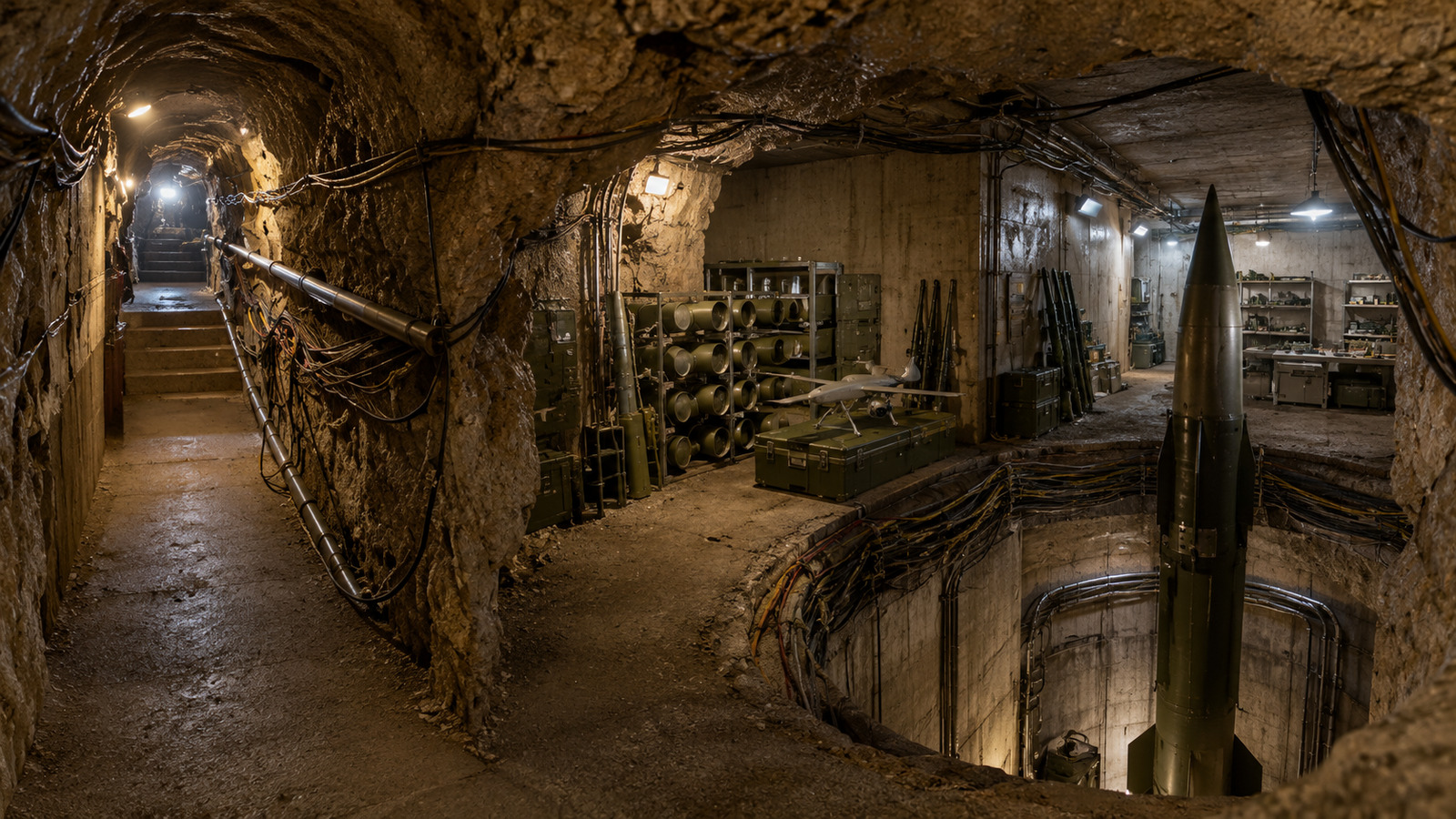
Israel finds Hezbollah militarized tunnel over 200 meters long under village, with 4 missile launch shafts, 12 chambers, anti-tank missiles, drones, and weapons depots at a depth of 25 meters.

-
Ukraine launches largest drone attack on Moscow since 2022, Russia claims to have intercepted nearly 200 aircraft near the capital, Kapotnya refinery targeted again, and offensive reignites alert about war reaching the Russian energy heart just a few kilometers from the Kremlin.

-
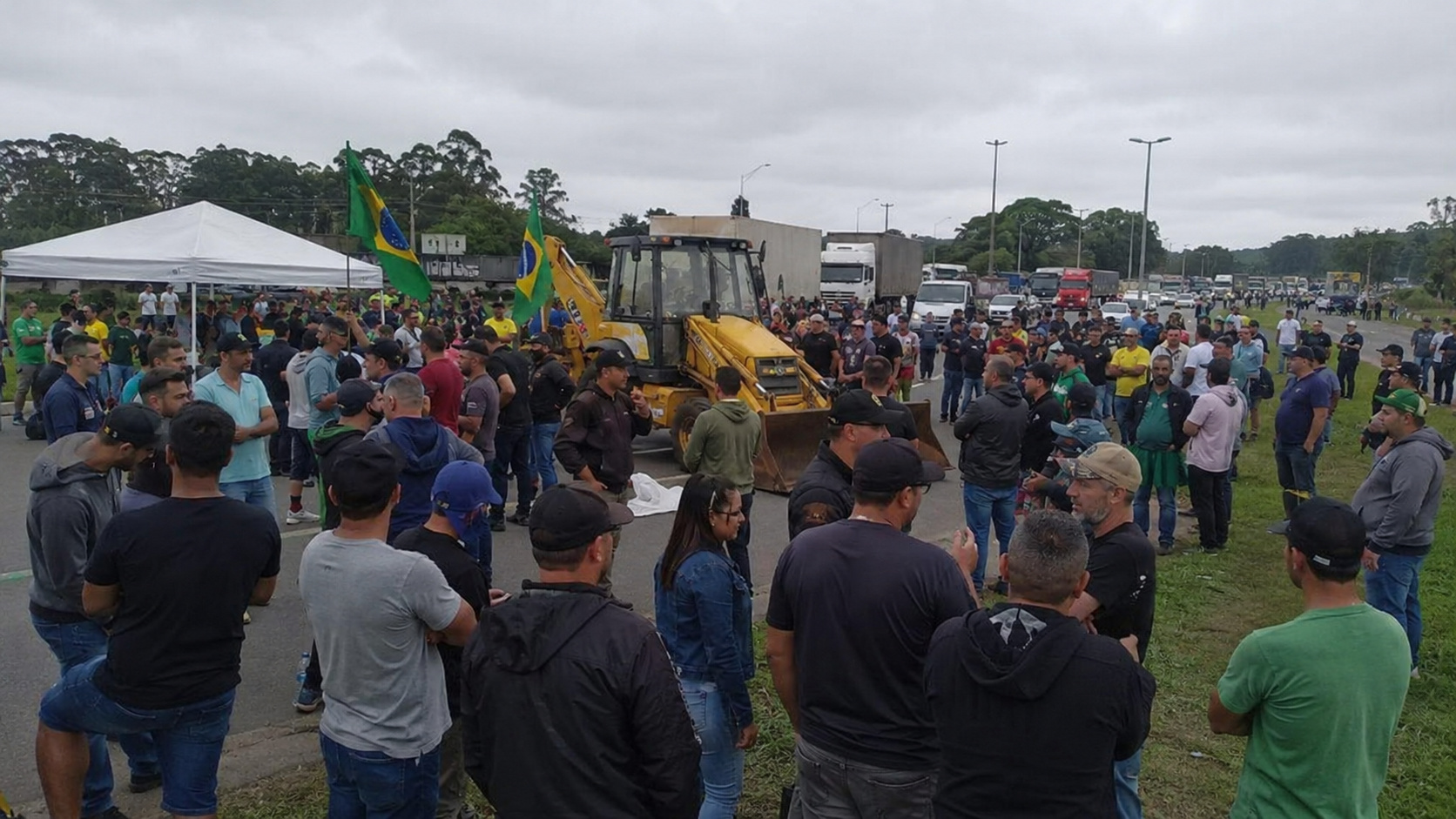
Truck drivers, freight, and fines from 2022 take center stage in politics: Chamber approves MP with amnesty, mandatory tracking by CIOT, million-dollar penalties, and new minimum wage for those who spend more than 24 hours on the road.

-
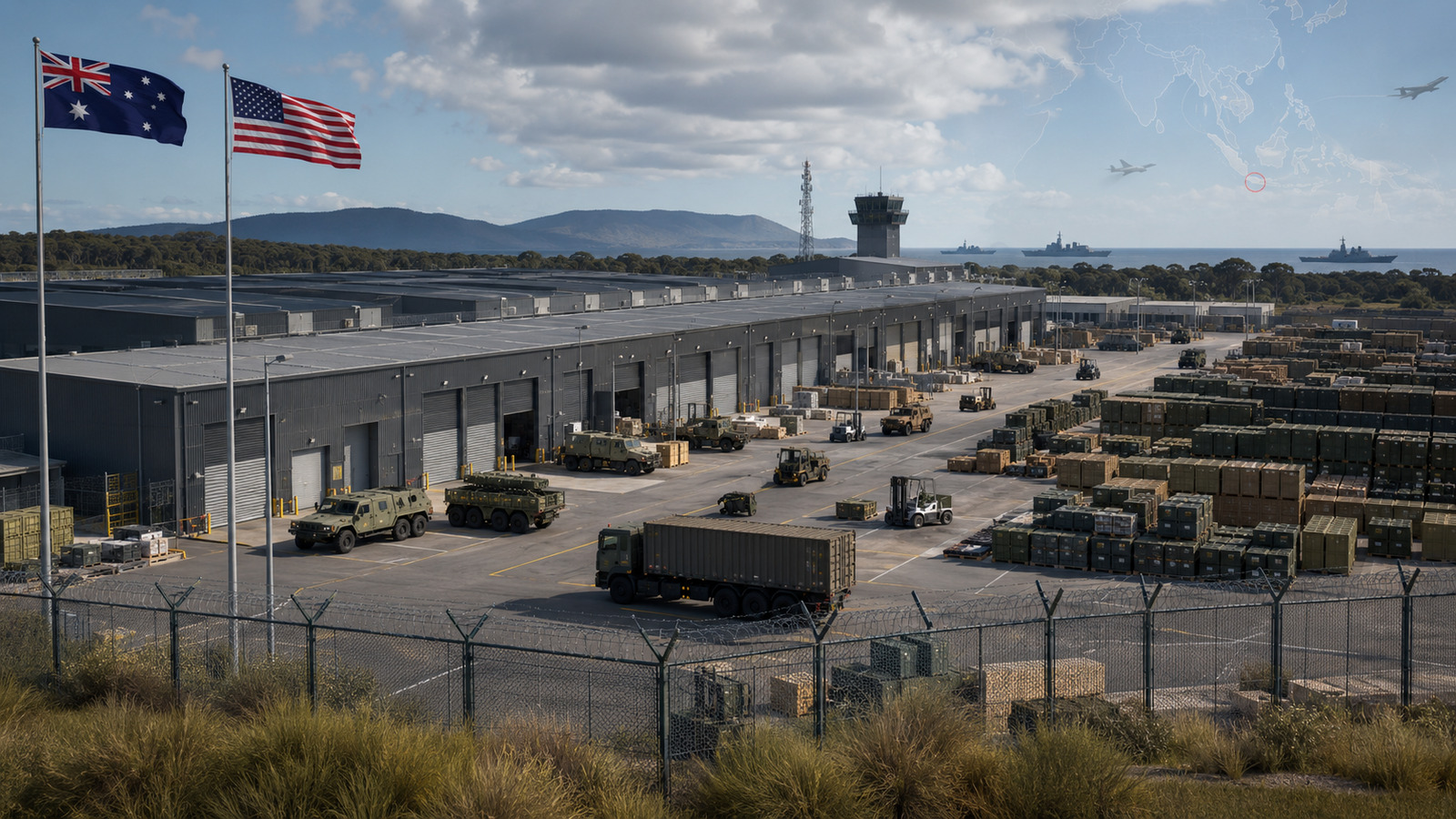
China off the radar: US plans mega $30 million weapons depot in Australia, out of reach of most Chinese missiles, with full capacity expected by 2028

Southern Group Attempts to Balance Environmental Image With Strategic Alignments
The Southern Group, formed by Mercosur countries and with active participation from Brazil, seeks to present itself as an environmental power, although it maintains convergence with emerging countries on financial issues. However, the block supports broader emission cuts, trying to elevate its credibility and influence in the negotiations.
Small Island States Morally Pressured by Real Risk of Disappearance
The so-called “island countries” face a direct threat from rising sea levels, which strengthens their ethical and moral appeal. Although they have low economic power, they embarrass wealthy countries by exposing their vulnerability and thus articulate intense speeches throughout the conference.
Least Developed Countries Reinforce Dependence on Support and Highlight Severe Impacts
This group consists of nations that suffer the deepest effects of climate change, relying heavily on external financing. Consequently, their delegations use emphatic speeches, always emphasizing urgency and inequality.
Latin Americans and Caribbeans Push for More Ambitious Goals
Led by Colombia, Latin American and Caribbean countries advocate for stricter emission targets, seeking to raise the level of responsibility among major economies.
African Countries Gain Strength by Aligning With China and India
African countries, despite facing similar challenges to the least developed, gain prominence by approaching India and China in strategic debates. Thus, observers highlight that there are interests beyond climate issues, even if not explicitly stated.
With all these blocks acting simultaneously, negotiations remain marked by complex alliances, constant pressures, and conflicting interests.
In light of this scenario of disputes and convergences, the inevitable question remains: which path will truly prevail at COP30?





Fui diagnosticada com doença de Parkinson há quatro anos. Por mais de dois anos, dependi da levodopa e de vários outros medicamentos, mas, infelizmente, os sintomas continuaram piorando. Os tremores se tornaram mais perceptíveis e meu equilíbrio e mobilidade começaram a declinar rapidamente. No ano passado, por desespero e esperança, decidi experimentar um programa de tratamento à base de ervas da NaturePath Herbal Clinic.
Sinceramente, eu estava cética no início, mas, poucos meses após o início do tratamento, comecei a notar mudanças reais. Meus movimentos ficaram mais suaves, os tremores diminuíram e me senti mais firme ao caminhar. Incrivelmente, também recuperei grande parte da minha energia e confiança. Tem sido uma experiência transformadora. Me sinto mais eu mesma novamente, melhor do que me sentia há anos. Se você ou um ente querido está lutando contra a doença de Parkinson, recomendo muito que você considere a abordagem natural deles. Você pode visitar o site deles em www. naturepathherbalclinic .com