






 Portuguese
  Spanish


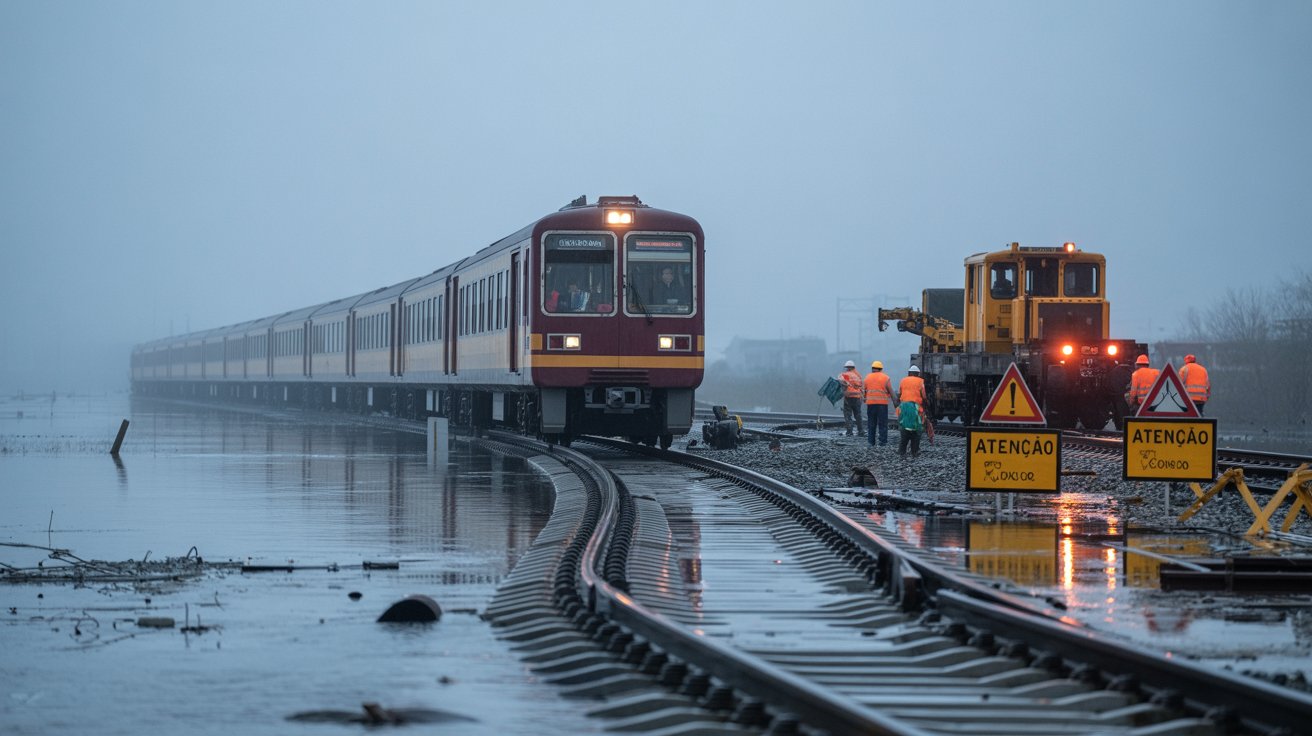

Reconstruction of One of the Most Important Railways in Brazil Advances After Environmental Tragedy. Despite Partial Operation, Night Works Continue to Be Intense and Million-Dollar Resources Have Been Mobilized to Recover the Entire System of Tracks, Power, Signaling, and Service.
The reconstruction of Trensurb, the metro system of Porto Alegre, which suffered severe damage due to a devastating flood, is underway and promises to transform the public transport experience in the region.
After a natural disaster that caused significant damages, the total completion of the works on the railway, which was initially expected this year, is now anticipated to occur only in the first quarter of next year, according to estimates from the Urban Train Company of Porto Alegre.
The train system will have full operation starting from the completion of the works, promising more efficiency and safety for users.
-
Artesian Well Becomes Lifeline for Small Brazilian Farm: Drilling Reaches 60 Meters, Finds Marble, Navigates Rock Fissures, and Strikes Fresh Water

-
Street Cleaner in Brazil Finds Discarded Books That Helped His Wife Pass Civil Service Exam and Become Police Captain
-
July’s Night Sky to Feature Planetary Alignments, New Moon, Venus at Sunset, Buck Moon, and Two Meteor Showers

-
Fisherman Catches 18kg Catfish Near Brazil’s Itaipu Lake, Among Largest Recorded in Recent Years



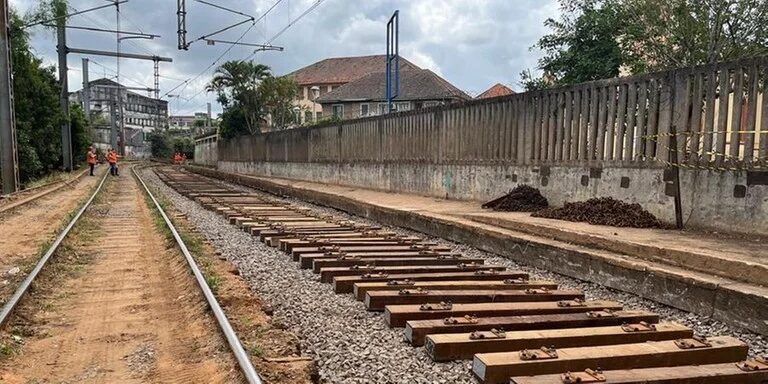
Currently, the teams from Trensurb are dedicated to the recovery of the railway, which includes the removal and replacement of the tracks, as well as essential adjustments to the supporting infrastructure.
The forecast is that this phase of the work will be completed by September of this year.
However, the recovery of vital systems, such as the power supply for the trains, signaling, and the station structures, is expected to be fully completed only next year.
During this period, the work is being carried out every day, during the night shift, between 8 PM and 5 AM, to minimize impacts on daily transport.
Regarding the railway, the work fronts are focused on executing several services, such as cutting and removing damaged tracks, removing sleepers and ballast, as well as installing new sleepers.
Reassembling the tracks and placing crushed stone are also part of the process.
These works aim to ensure the appropriate safety for passenger transport, one of the main priorities of the company in this recovery process.
Since March 21, users have been impacted by the operational limitations of the system.
The speed of the trains, especially in the stretch between Niterói station in Canoas and Mercado station in Porto Alegre, is still reduced to ensure the safety of passengers while the recovery of the track is not completed.
The maximum speed currently allowed in this stretch is 20 km/h, which represents a significant reduction compared to what was recorded before the disaster.
Regarding the operation of the system, the good news is that the metro line, which extends from Novo Hamburgo to Mercado, has been restored, and all 22 stations have been serving passengers since 2024.
However, to allow the recovery works to continue, operation has been suspended between Mercado and Canoas stations after 8 PM, from Monday to Saturday, and also on Sundays, when there is a lower flow of users.
To meet the demand of passengers during this period, Trensurb has contracted a fleet of buses that travels the route free of charge for users.
The decision to use buses as an alternative mode of transport during the works aims to ensure the continuity of service without extra costs for the population.
Trensurb, through significant investment, is seeking to recover not only the railway but also various essential systems for the functioning of the metro.
Among the affected systems are those of electricity, signaling, electronic ticketing, communication, as well as escalators, elevators, and other structures of the stations.
A total of 85 projects and subprojects have been developed to restore the entirety of Trensurb’s infrastructure, with an estimated cost of R$ 320 million.
Of this amount, the Federal Government accounted for the largest part of the investment, providing R$ 224 million in extraordinary resources to enable the recovery.
Additionally, Trensurb’s annual budgets for 2024 and 2025 also included around R$ 50 million to expedite the reconstruction process.
These investments are part of a continuous effort to ensure the total recovery of the system and allow the full operation of Trensurb, serving all passengers safely and efficiently.
The Federal Government had also provided, the previous year, R$ 164 million for the recovery of the train system through the “Operation Humanitarian Rails” program, which ensured the resumption of train circulation after the flood.
This program was crucial for maintaining the continuity of public transport, allowing the population not to be entirely reliant on alternatives like buses, which began to serve the stretch impacted by the works.
It is important to highlight that, throughout the reconstruction process, Trensurb has been committed to minimizing disruptions for passengers and ensuring their safety.
With the completion of the works and the total recovery of the railway and the involved systems, the expectation is that Porto Alegre’s metro system will become more efficient, modern, and safe, benefiting thousands of people daily.
Investments and Prospects for the Future with the Railway
Trensurb, through these investments, seeks not only to restore normal operation but also to improve the quality of services provided to users.
The recovery of essential systems, such as signaling and electronic ticketing, will bring more agility and safety to those who use public transport in the metropolitan region of Porto Alegre.
The positive impact of this recovery process will be reflected in the improvement of infrastructure, service quality, and passenger safety.
With significant investment and collaboration between the Federal Government and Trensurb, the return of safe and efficient transport is becoming an increasingly tangible reality.
The reconstruction of Trensurb is a clear example of how collaboration between governments and companies can transform a disaster into an opportunity for renewal and improvements in public service.
Trensurb is committed to ensuring that its passengers enjoy a safer and more efficient transportation service after the completion of the works.
With the full return of operation and recovery of the entire metro line, what more could be done to further improve the public transport system in Porto Alegre?


