Portuguese
  Spanish


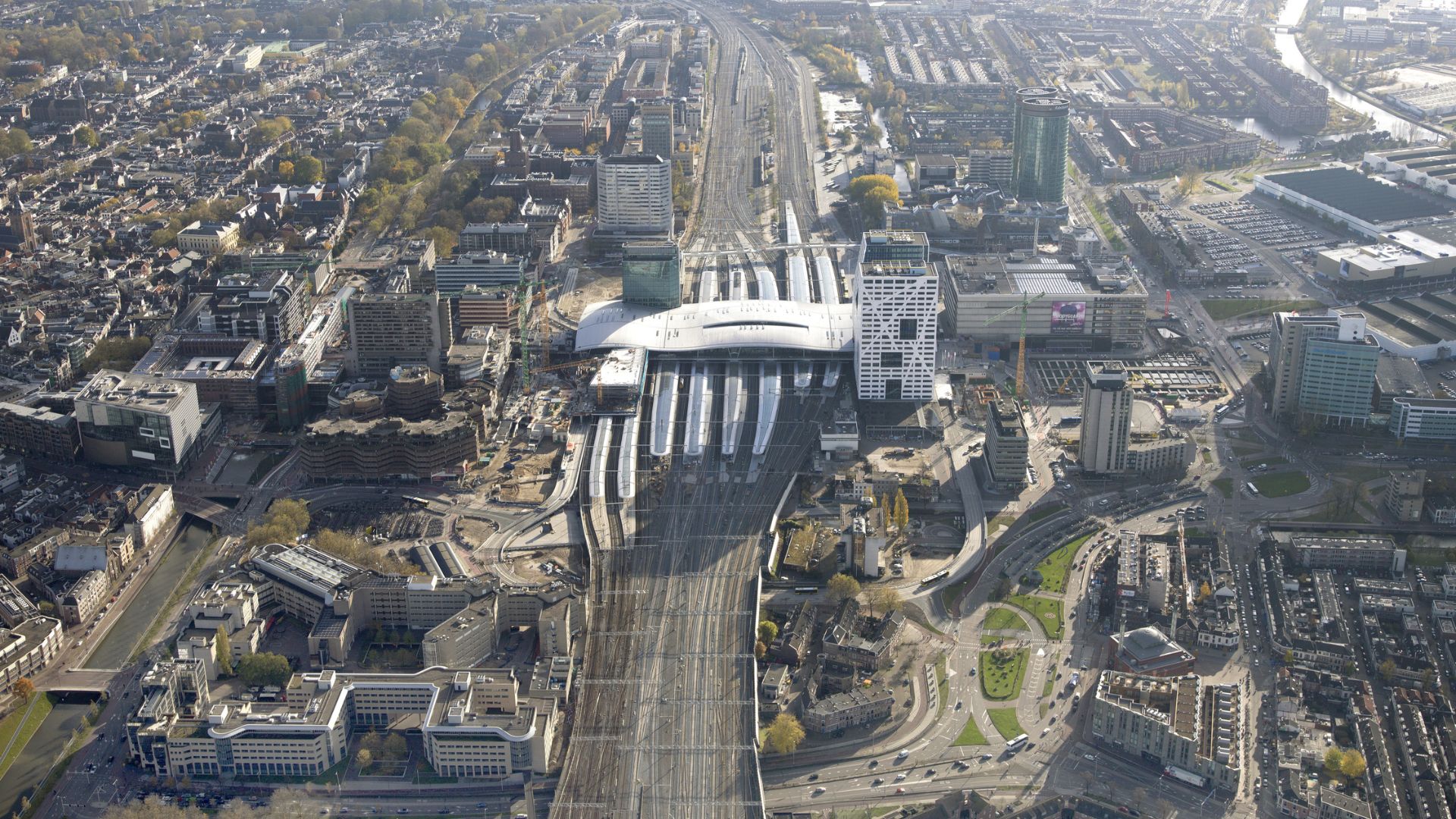

European strategy bets on innovation, infrastructure, and integration to transform urban mobility, reduce pollution, and accelerate the transition to smart and green cities
Europe is taking a decisive step towards a more sustainable future by placing urban mobility at the center of a historic transformation. In a global scenario marked by climate urgency, the European Commission has adopted a series of proposals aimed at reducing carbon emissions in the transport sector by up to 90%, consolidating one of the most ambitious strategies in the world in this area.
The information was released by “ArchDaily Brazil”, based on an analysis by journalist Andreea Cutieru, highlighting that the package is part of the implementation of the European Green Deal, an initiative that seeks to reposition the continent as a global reference in sustainability. In this sense, the plan not only redefines transport but also establishes new guidelines for integrated urban development.
Expansion of the TEN-T network connects 424 cities and redefines European transport

Furthermore, one of the central pillars of this transformation is the modernization of the TEN-T (Trans-European Transport Network), which aims to connect 424 major cities across the European Union through strategically integrated railways, waterways, and highways. This expansion includes the creation of new high-speed rail connections, expected to be completed by 2040.
-
China Constructs 5.1 km Undersea Highway in Dalian Bay, Reducing Travel Time from 1 Hour to 5 Minutes

-
Massive Transporters Otto and Lore Move ALMA Radio Telescope in Chile’s Atacama Desert
-
Singapore Turns Incinerated Waste Ash into Construction “Sand” in Ambitious Project to Revolutionize Megacity Waste Management
-
Brazilian Entrepreneur Turns Passion for Amazonian Cocoa into a Million-Real Chocolate Business After Studying in France



At the same time, all cities included in the TEN-T network will be required to develop Sustainable Urban Mobility Plans, focusing on zero-emission solutions, improving public transport, and expanding infrastructure for pedestrians and cyclists. Thus, the proposal not only enhances mobility but also transforms the way citizens interact with urban space.
Consequently, the priority given to rail transport also represents an important structural change. The encouragement of international train travel emerges as a direct alternative to air transport, significantly reducing the continent’s carbon footprint.
Investments in clean transport and technology accelerate the green transition

At the same time, the European Commission is also heavily investing in the expansion of charging points for electric vehicles and the development of infrastructure for alternative fuels. This strategy, in turn, ensures that the energy transition occurs broadly and accessibly, allowing different modes to evolve simultaneously.
According to Frans Timmermans, Executive Vice-President for the European Green Deal, the transformation will profoundly impact how people move. He emphasizes that the goal is to create faster connections, more accessible passages, and greater protection of passenger rights, in addition to encouraging the use of smart technologies to make transportation more efficient.
As a result, a significant reduction in urban congestion and air pollution is expected. It is worth noting that the European Union has already set an interim target of reducing vehicle emissions by 55% by 2030, reinforcing the commitment to concrete results in the short term.
Sustainable urban mobility becomes an absolute priority in the European Union
In recent years, especially after the onset of the pandemic, many European cities have begun to prioritize cyclists and pedestrians. As a result, there has been significant growth in this type of infrastructure, with the EU even tripling investments in projects aimed at active mobility.
However, the new package of proposals goes further by transforming sustainable urban mobility into a central policy for the entire European bloc. In other words, it is no longer about isolated initiatives, but a coordinated strategy involving national governments, cities, and institutions.
Moreover, this is the second major package of measures aimed at sustainable transport, continuing the Sustainable and Smart Mobility Strategy launched in December 2020. Still this year, the European Commission intends to advance recommendations for member states to develop national plans, directly assisting cities in implementing these changes.
In this way, Europe not only envisions a cleaner future but also establishes a model that can influence public policies worldwide. In a context where sustainable urban mobility becomes increasingly urgent, the continent takes the lead by transforming environmental goals into concrete and measurable actions.
In light of this, do you believe that Brazil will be able to implement solutions similar to those in Europe in the coming years — such as the expansion of high-speed trains and the creation of integrated networks of sustainable mobility in large cities?