






 Portuguese
  Spanish


In Pyongyang, recycling in North Korea has become a way to obtain products, reuse common materials, and reduce dependence on imports. The exchange of waste for consumer goods shows how sanctions, closed borders, and a drop of more than 80% in trade with China have changed the value of bottles, plastic, fabric, paper, and metal in the country
In North Korea, residents take bottles, plastic, fabric, paper, and metal to recycling shops and exchange waste for products. The scene shows how common materials have gained value in a country pressured by sanctions, closed borders, and a drop of more than 80% in trade with China.
The information was published by Reuters, an international news agency with global coverage. The case shows a recycling policy that goes beyond urban cleaning and enters the core of the attempt to replace imports.
In practice, recycling has become a way to alleviate the lack of supplies. What could previously be discarded now enters a network of exchange, collection, and reuse, focusing on simple daily consumer products.
-
How to Prevent Brown Recluse Spider Bites: Common Hiding Spots and Free Tips to Reduce Risks

-
Natto: The Unusual Japanese Superfood Gaining Popularity on Social Media and Driving Record Exports
-
Brazilian Mayor Goes Undercover as Homeless for 24 Hours to Assess Public Services

-
15-Year-Old Entrepreneur Malu Lira Publishes 20 Children’s Books on Financial Education, Earns $500,000, and Expands Her Project to the Amazon Rainforest



How recycling shops that exchange waste for products work
Recycling shops receive used materials that can, thus, return to some type of production. Among them are empty bottles, plastic, paper, fabric, glass, metal, rubber, used oil, and industrial waste.
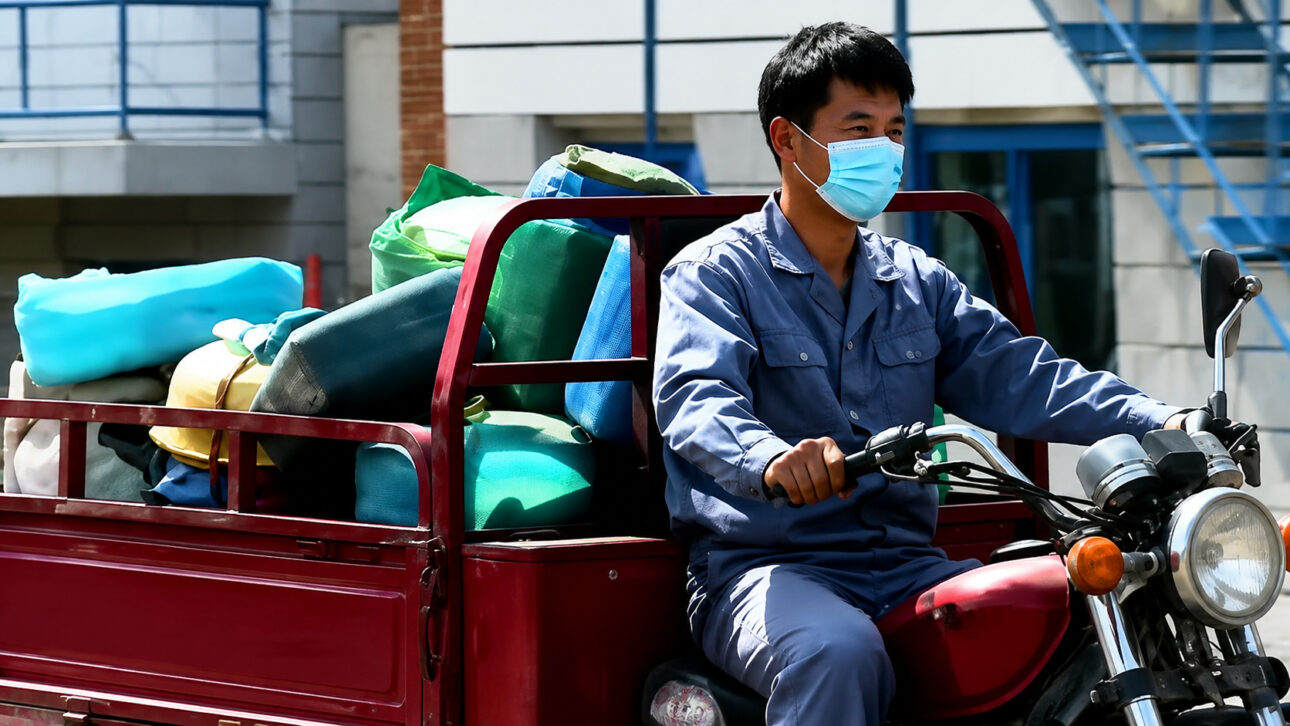
In Pyongyang, there are 70 exchange shops where residents deliver recyclables and receive consumer goods. Among the items mentioned are notebooks and shoes, simple but important products in a scarcity environment.
The logic is straightforward. The resident separates the waste, delivers the material at an exchange point, and receives a product in return. For the country, each reused waste helps reduce the need for new material coming from outside.
This model transforms waste into a kind of economic resource. Bottles, plastic, and metal cease to be mere discard and start circulating as part of a survival strategy.
Sanctions and closed borders changed the value of common waste
Sanctions and closed borders have increased the pressure on North Korea’s economy. With fewer products and inputs coming in, the country has become even more dependent on what it can produce or reuse internally.
In this scenario, recycling is not just an environmental agenda. It appears as a response to a reality of lack of goods, difficulty in importing, and the need to keep factories running with already available resources.
Therefore, simple materials have gained importance. Used plastic, old paper, discarded fabric, and reused metal can fuel small production lines aimed at consumer goods.
The message to the population has also changed. Separating waste is now presented as a contribution to the national economy, not just as caring for streets and neighborhoods.
Drop of more than 80% in trade with China increased the urgency for reuse
Reuters, an international news agency with global coverage, detailed that North Korea’s trade with China fell by more than 80% after the border closures adopted to contain the coronavirus.
This data helps explain why reuse has gained so much strength. China is an important partner for the entry of goods, and a drop of this size reduces access to various products used daily.
When imports decrease, internal production needs to compensate for part of the shortage. Recycling comes in precisely at this point, as an attempt to transform waste into new materials for domestic and industrial use.
A researcher from the Sejong Institute in Seoul summarized the scenario in a direct sentence: “The need to reuse resources became more urgent in 2020 because of Covid 19.”
What the government is trying to transform into products with bottles, plastic, and metal
The recycling campaign seeks to reuse various materials. Plastic, fabric, paper, glass, metal, and rubber are on this list because they can be reused in different processes.
State television showed shredded plastic being used to manufacture helmets. This example helps to understand the central idea of the campaign: to take common waste and transform this material into something useful.
There is also an incentive for factories to use domestic resources in production. The goal is to reduce dependence on external inputs and make better use of what is already within the country.
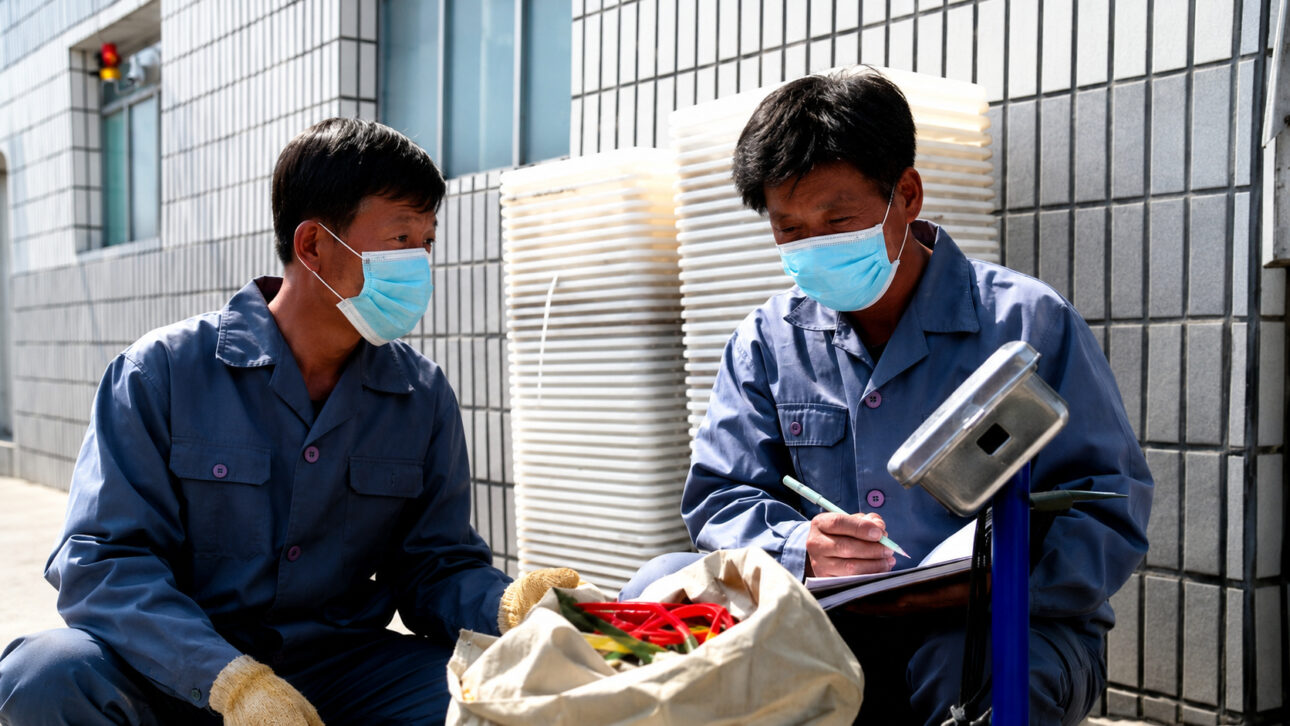
In a state broadcast, a worker from a plastics factory stated: “We need to bet our future on recycling. This is the way to survive.”
Why experts treat the results with caution
Even with the strong campaign, there are still doubts about the real reach of recycling in the country. The total scale of reuse is not clear, and the long-term results still raise questions.
One of the points of concern is the quality of the products. When the same material goes through many cycles of reuse, it can lose quality if there is no input of new materials.
Another point involves the availability of waste itself. In a country with limited consumption, the amount of usable waste may also be less than necessary to sustain a larger chain.
Therefore, the strategy draws attention but does not solve everything on its own. It shows adaptation in the face of scarcity, but also reveals the extent of the pressure on North Korea’s economy.
Recycling has become an economic survival strategy
The case of North Korea shows a different side of recycling. Instead of appearing only as an environmental action, it has become part of a policy to face sanctions, closed borders, and lack of imports.
For the Brazilian reader, the image is strong because it changes the way of looking at waste. An empty bottle, a piece of fabric, or a piece of metal may seem small, but they gain value when access to new products is limited.
The investment in swap shops reveals an attempt to make use of everything that can return to the production cycle. At the same time, the caution of experts shows that recycling helps, but does not completely replace an economy open to trade.
Do you think turning waste into resources can sustain a country under scarcity, or does this solution just push the problem to later? Share your opinion.








A very good development, it means waste to cash. Fantastic