






 Portuguese
  Spanish


Discovery of Bicharracosaurus in Argentine Patagonia reveals a sauropod 155 million years old with rare features that help scientists understand the evolution of herbivorous giants in the Southern Hemisphere
At around 155 million years old, the Bicharracosaurus found in Chubut, Argentina, combines traits from different families of sauropods and helps scientists explain how giant herbivores evolved in the Southern Hemisphere.


155 Million-Year-Old Fossil Expands the Picture of Sauropods
A newly discovered long-necked dinosaur in southern Argentina is helping scientists understand how herbivores evolved on ancient continents.
Called Bicharracosaurus dionidei, it has attracted attention for combining characteristics from different families.
-
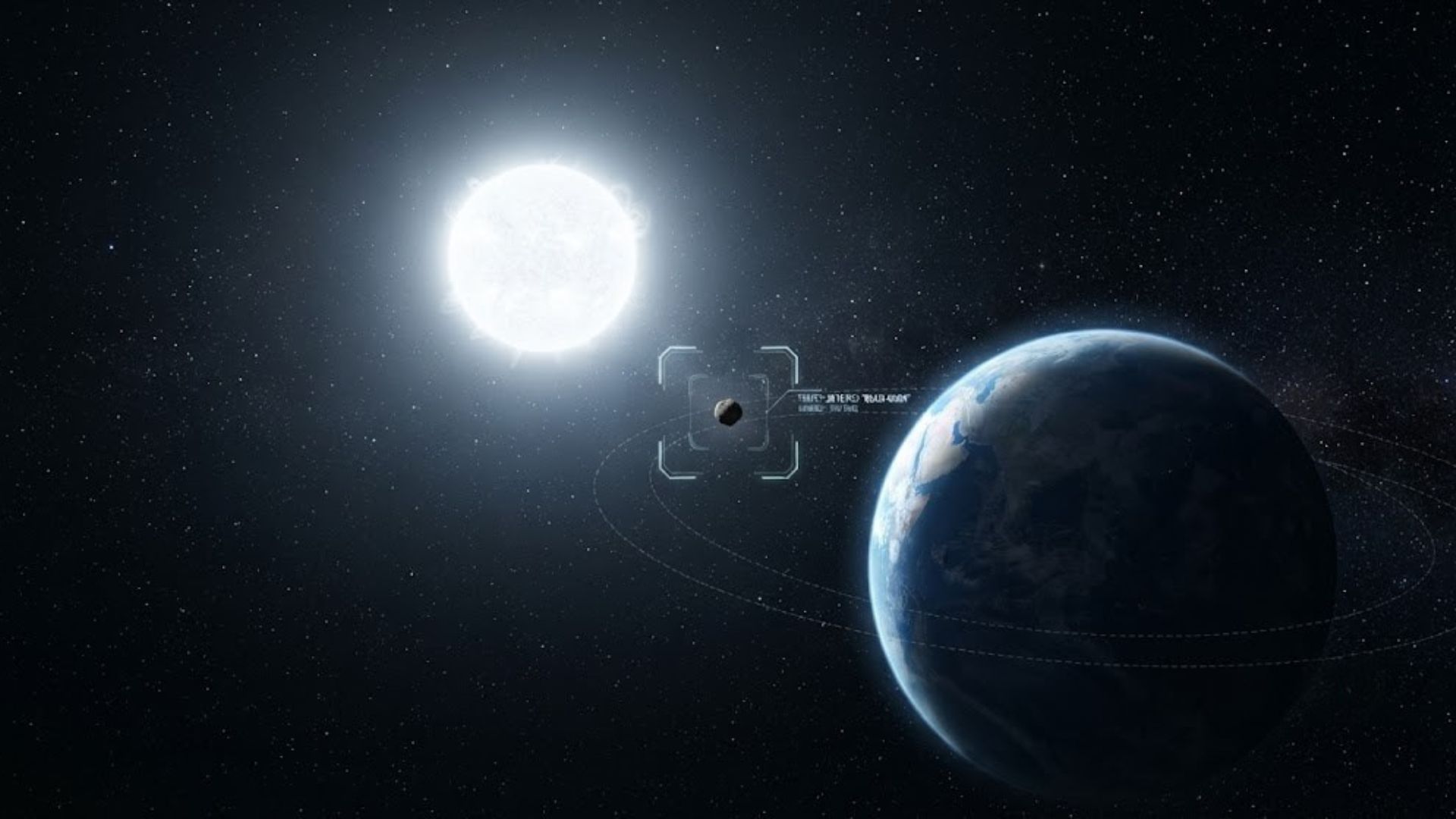
Few people know, but China photographed for the first time Earth’s “quasi-moon,” a small asteroid that accompanies our planet around the Sun and may be a fragment torn from the Moon millions of years ago.

-
China delivers a giant crane ship capable of lifting 2,200 tons at once, transporting structures of up to 10,000 tons, and operating in semi-submersible mode for offshore projects.
-
One of the most devastating El Niños in modern history did not only bring heat: amidst droughts, destroyed crops, and lack of supplies, 50 million people died across three continents, and scientists see in this past a brutal warning for a hotter planet.

-
EcoFlow’s Portable Fridge Offers 43 Hours Off-Grid, Reaches -25°C, App-Controlled, Solar-Powered for Camping and RV Adventures


This unusual combination is the focal point of the discovery. For researchers, it makes the fossil relevant in the study of sauropods in the Late Jurassic.
The fossil was found in the province of Chubut and is about 155 million years old. The remains belong to an adult animal and help expand the known picture of giant herbivores.
Researchers located more than 30 vertebrae, as well as ribs and part of a pelvis. The bones belong to an animal estimated to be about 20 meters long.
Rare Mixture of Traits Made Classification of the Dinosaur Difficult
What caught scientists’ attention the most was the anatomy of Bicharracosaurus dionidei. According to the study published in PeerJ, some bones resemble those of Giraffatitan, a brachiosaurid found in Tanzania.
This similarity points to one of the branches of the sauropod family tree. At the same time, other parts of the skeleton showed affinities with a different group.
Parts of the vertebral column, especially the dorsal vertebrae, are very similar to those of Diplodocus and relatives from North America. Combining these two sets of characteristics in a single animal is uncommon.
This mixture made classification more challenging. Researchers had to carefully assess how each part of the skeleton related to other lineages of sauropods.
Study Points to First Jurassic Brachiosaurid in South America
Alexandra Reutter, from LMU Munich, who led the research, stated that the analysis places the animal within the Brachiosauridae group. This gives the finding special weight in South American paleontology.
According to her, the phylogenetic analyses of the skeleton indicate that Bicharracosaurus dionidei was related to the Brachiosauridae.
If this interpretation is correct, it would be the first brachiosaurid from the Jurassic found in South America.
This would also mark the first identification of a brachiosaurid from the period on the continent. The possibility reinforces the relevance of the finding for the reconstruction of the evolutionary history of sauropods.
Patagonia gains importance in comparisons between continents
Dinosaurs like Diplodocus and Brachiosaurus are often used as classic examples of long-necked giants.
A large part of the knowledge about these animals came from fossils found in North America and other northern regions.
The fossil came from the Cañadón Calcáreo Formation in Patagonia, an area that has been gaining importance for paleontology.
The site has begun to provide relevant material to compare dinosaurs from different continents.
Oliver Rauhut, from the Bavarian State Collections of Natural History, emphasized that the knowledge about the evolution of Late Jurassic sauropods has been entirely based on fossils from North America and other sites in the Northern Hemisphere.
For a long time, there was little fossil evidence from the Southern Hemisphere. Tanzania was one of the few places in that set, which limited comparisons between the records from both sides of the planet.
Rauhut stated that the fossil site in Chubut, from where Bicharracosaurus dionidei comes, provides important comparative material.
This content helps researchers to complement and reassess the understanding of the evolutionary history of these animals.
Name honors pastor who found the bones
The first remains of Bicharracosaurus dionidei were found by a local pastor. Dionide Mesa located the bones of a giant animal about 155 million years old on his farm in Patagonia.
The species name, dionidei, was chosen in his honor. Bicharraco, used in the genus, is an informal word in Spanish that means “large animal.”
The choice fits the size of the dinosaur described by the researchers. It also records the participation of the local resident who found the first traces of the fossil.
With vertebrae, ribs, and part of the pelvis preserved, Bicharracosaurus gains space in comparisons between large Jurassic herbivores.
The discovery expands the fossil map of these animals and reinforces the role of Patagonia in this evolutionary history.
With information from Daily Galaxy.


