






 Portuguese
  Spanish
  5 min of reading
  0 comments


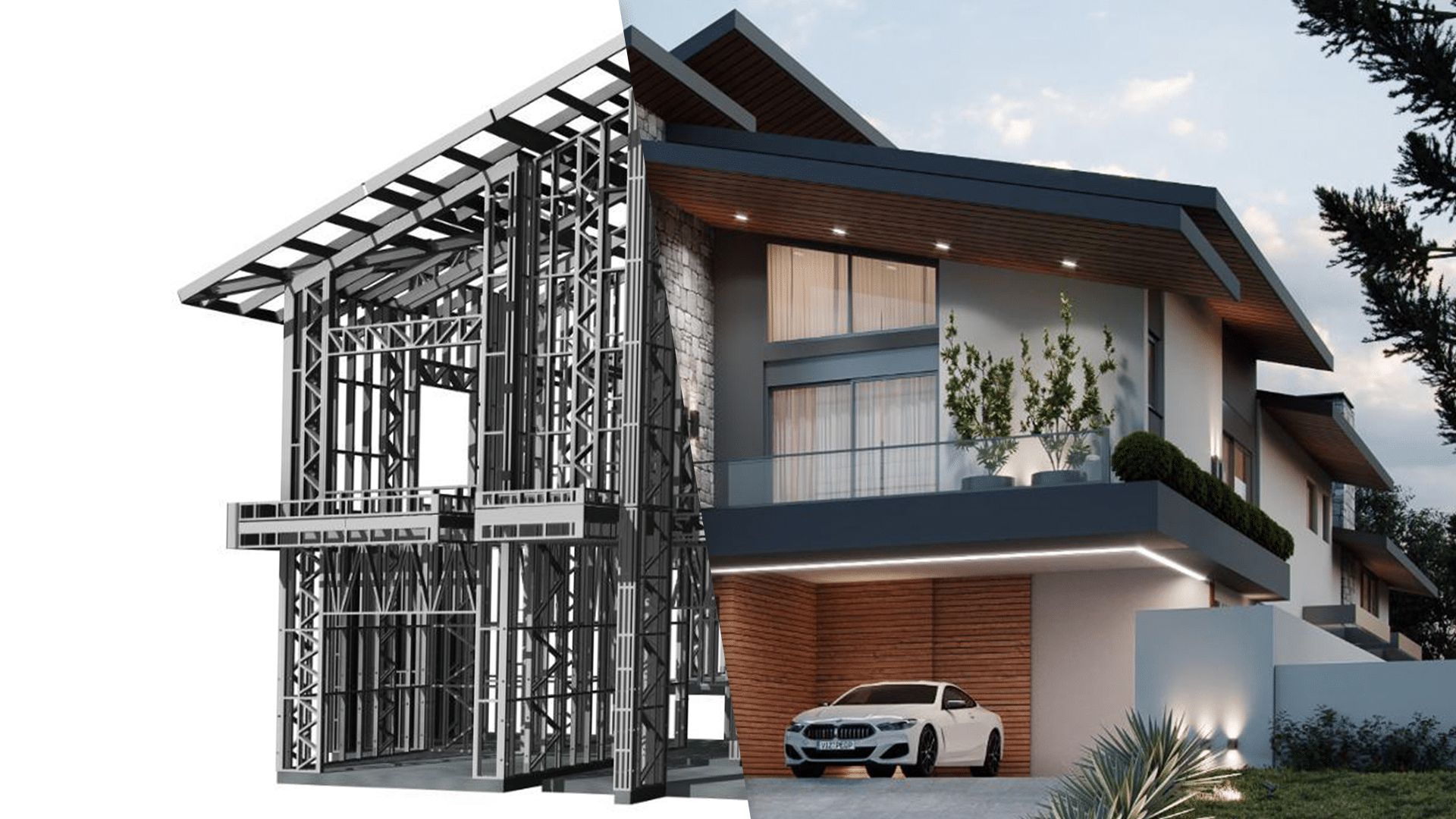
Non-Masonry Construction System Advances in Brazil by Investing in Lightweight Metal Structures, Industrialized Assembly, and Detailed Planning While Raising Technical Discussions on Timelines, Costs, Environmental Comfort, Regulations, and Professional Qualification in the Construction Sector.
A house built without bricks, featuring a lightweight metal structure and pre-assembled components delivered ready to the site, has broadened the debate on alternative construction methods in Brazil.
The system known as Light Steel Frame replaces traditional masonry with galvanized steel profiles and industrialized closures, combined with insulation layers aimed at thermal and acoustic performance.
Established in countries like the United States and Canada, the model has been gradually adopted in the Brazilian market, particularly in residential projects.
-
Without mortar, grout, or traditional construction: the ClickBrick system assembles brick facades with ceramic pieces held by metal clips, eliminating the need for glue, speeding up installation, and even allowing everything to be dismantled later without turning the construction into expensive permanent debris.

-
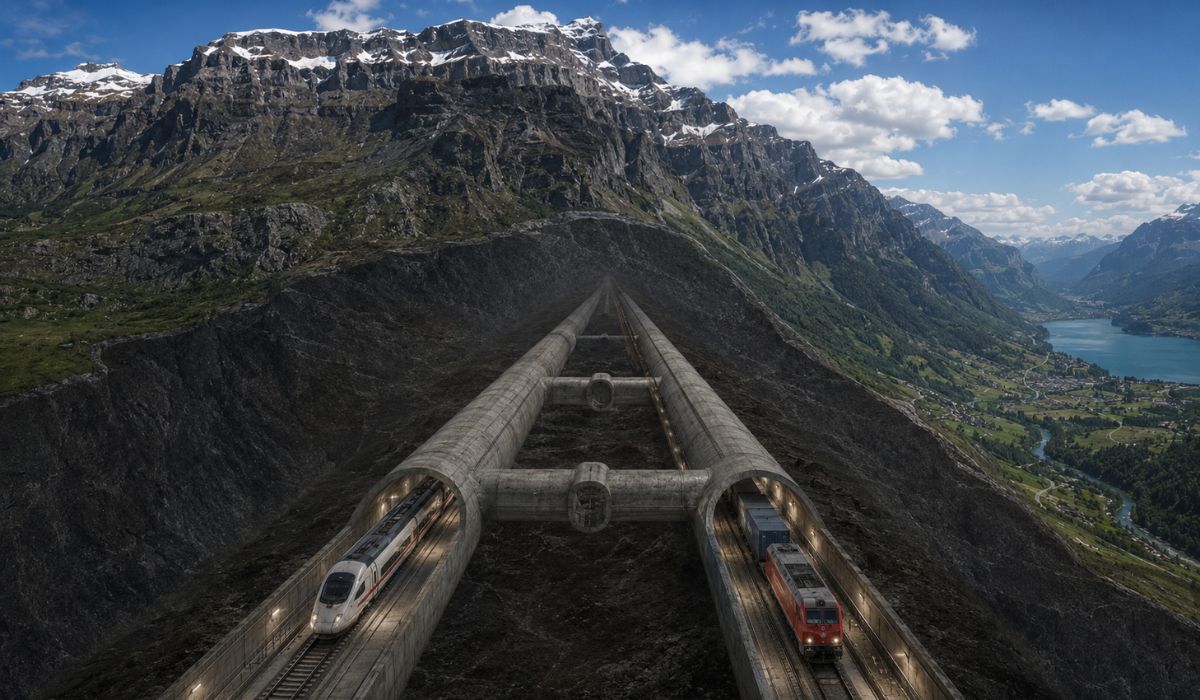
Switzerland took 17 years to tear through the Alps and build the world’s largest railway tunnel, a 57.1 km passage under 2,300 meters of rock, with 50 °C heat and 28.2 million tons excavated to connect the north to the south of Europe.

-
With 1,415 m², a frontal view of the sea, and surrounded by skyscrapers, the mansion worth R$ 140 million bought by Luciano Hang is the last standing residence on the waterfront of the ‘Brazilian Dubai’ in Balneário Camboriú.

-
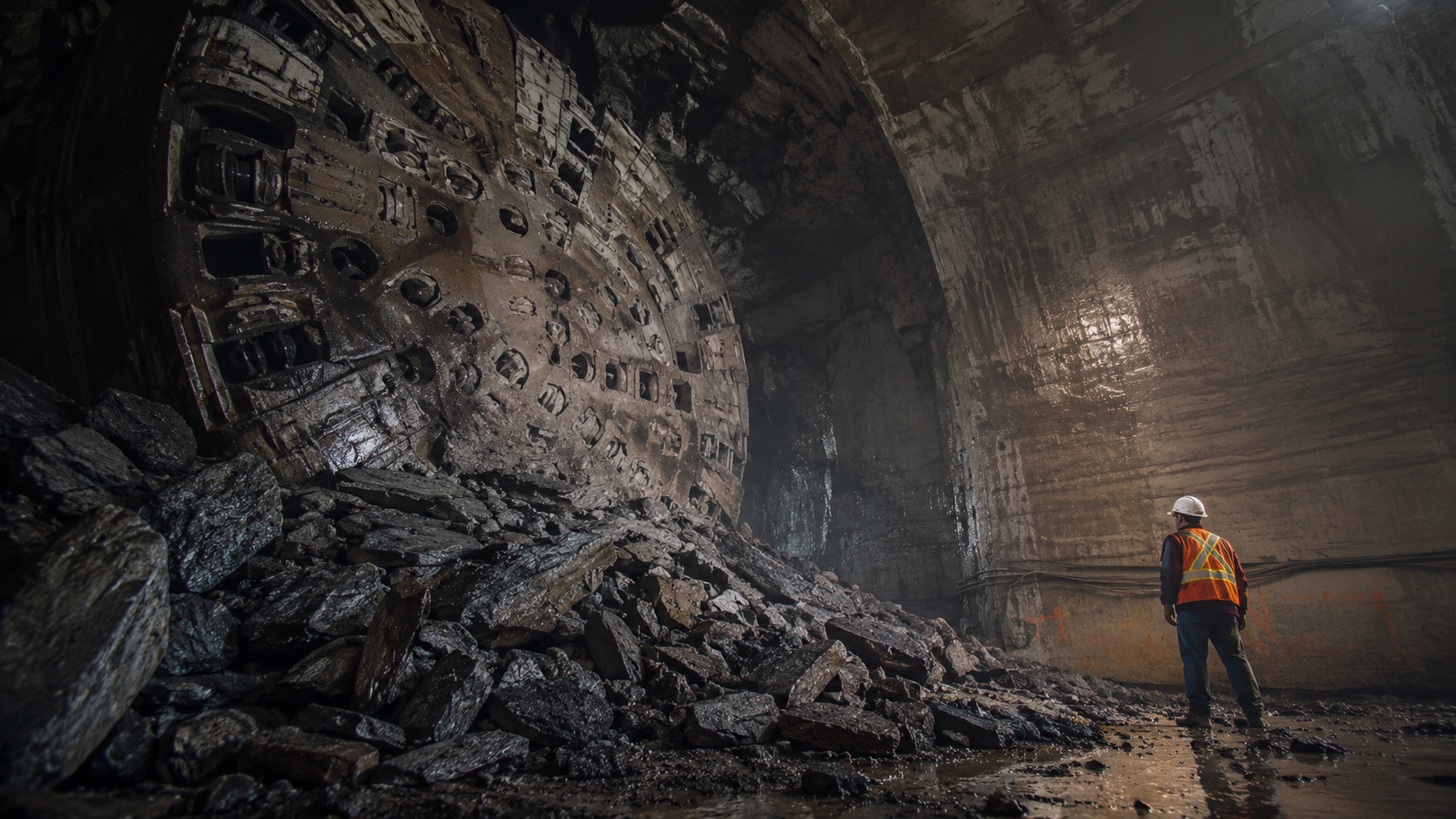
“Big Becky,” the 4,000-ton steel monster with the height of a four-story building, spent five years tearing through 10.2 km of solid rock beneath Niagara Falls to divert the river’s force and generate clean energy for 160,000 homes.



Dry Construction and Waste Reduction on Site
In this type of construction, the building logic differs from conventional sites.
Instead of blocks, mortar, and successive curing stages, the structure is assembled from pre-manufactured parts, which, according to industry entities, tends to reduce waste volume and water consumption during execution.
The Brazilian Chamber of Construction Industry classifies Light Steel Frame as an industrialized and dry construction system, in which water is primarily used in the foundation stage.
What Defines a House Without Traditional Masonry
When speaking of a house “without bricks,” the term refers to the absence of structural masonry walls.
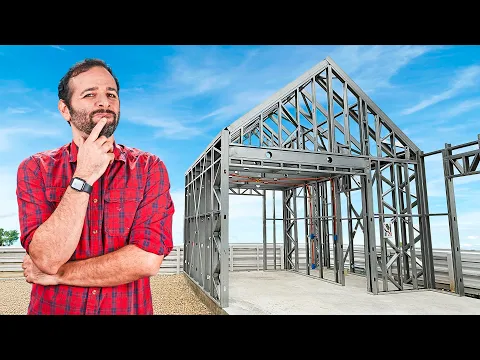
In Light Steel Frame, the building’s support is provided by lightweight cold-formed steel profiles, organized into panels and trusses according to the structural design.
These elements serve as the support base for internal and external closures, as well as carrying the building’s loads.
The adoption of this system requires detailed planning.
As the profiles arrive cut, bent, and perforated, the scope for improvised adjustments on-site is reduced.
Industry technicians indicate that this characteristic contributes to greater timeline predictability and quality standardization, provided the executive project is complete and compatible.

Executive Project, BIM, and Industrialized Assembly
The construction process begins in the digital environment, typically using BIM modeling, which consolidates information about dimensions, materials, and system interfaces.
From this model, the metal profiles are produced in an industrial line and organized according to the planned assembly sequence.
On-site, the team attaches the structural panels through bolting, following the project.
According to technical publications and reports from specialized companies, this method can reduce the execution time of the structure compared to conventional masonry.
Experts emphasize, however, that the final deadline depends on variables such as architectural complexity, supply logistics, weather, and the availability of skilled labor.
The training of teams emerges as a central point.
The National Service for Industrial Training offers specific courses for Light Steel Frame, indicating that mastering the system requires specific training and knowledge of applicable technical standards.
Wall Layers and Thermal and Acoustic Insulation
The walls of a steel frame house are formed by a set of layers with distinct functions.
Between the metal studs are the passages for electrical and hydraulic installations, as well as insulating materials that contribute to the thermal and acoustic performance of the property.
Among the most commonly used insulators are glass wool, rock wool, and PET blankets, applied according to the project’s requirements.
Manufacturers and technical entities associate these materials with noise reduction and improved thermal comfort in lightweight closure systems, provided they are installed correctly.
On the exterior, the walls receive special facade panels, moisture protection membranes, and a base layer allowing for different types of finishing, such as paint or texture.
Internally, the most common closure is drywall, a system widely used in dry constructions that facilitates future adjustments and interventions.
Galvanized Steel, Corrosion, and Durability
The structure of Light Steel Frame typically uses galvanized steel, material chosen for its mechanical strength and protection against corrosion.
Technical documents from the industry explain that the zinc layer applied to the steel acts as a barrier against oxidation, even in more humid environments, provided the system is correctly specified and sealed.
In coastal regions, specialists highlight that durability relates not only to the material but also to project detailing and ongoing maintenance over time.
Academic studies indicate that the use of galvanized steel is an effective protection measure but does not eliminate the need for additional care in areas exposed to sea spray.
Technical Standards and Floor Limits in Brazil
In Brazil, the system is regulated by ABNT NBR 16970, published in 2022, which addresses performance requirements and design guidelines for Light Steel Frame buildings.
The standard addresses, in its first edition, buildings of up to two stories, reflecting the predominant residential use profile.
In professional practice, there are records of applications in taller buildings, provided they are accompanied by specific structural solutions.
Academic papers and cost analyses indicate that beyond a certain number of stories, the system may lose economic competitiveness compared to other construction solutions, which influences its large-scale adoption.
Environmental Comfort and Daily Use of the House
The thermal and acoustic performance of a steel frame house is associated with the set of project decisions.
The presence of insulators in the walls, combined with adequate frames, tends to contribute to more stable interior environments.
Experts warn that the final result depends on the compatibility between walls, roofs, floors, and openings.
In daily use, many of these houses have a similar appearance to traditional constructions.
The difference, according to industry professionals, mainly lies in the ease of maintenance and adaptation of spaces, as the installations are embedded in lightweight walls, which can simplify future renovations and expansions.
Costs, Planning, and Choice of Construction System
The adoption of Light Steel Frame involves technical and economic evaluation.
Although the system is associated with waste reduction and greater work predictability, construction industry entities highlight that the cost per square meter can vary depending on the region, project scale, and availability of trained suppliers and teams.
More than an aesthetic alternative, the so-called house without bricks represents a shift in construction methods, with direct impacts on planning, execution, and maintenance.







-

-

-

-

-

38 people reacted to this.