Portuguese
  Spanish


A viaduct in the center of Jandira, in the Metropolitan Region of São Paulo, became the target of an explosive judicial decision after a technical report indicated “imminent danger and high lethality” in a structure used daily by cars, buses, motorcyclists, and pedestrians.
The case involves the José Manoel da Conceição Viaduct, one of the city’s most important urban connections. According to the Public Prosecutor’s Office of São Paulo, the court ordered the immediate closure of the viaduct and also the pedestrian walkway, after the Prosecutor’s Office pointed out serious structural flaws.
The decision raised a huge alert because the structure is located in a central area, with intense traffic and a strategic function for local mobility. What seemed to be just another old urban construction turned into a dispute involving technical report, Public Prosecutor’s Office, City Hall, Justice, and risk to the population.
-
City Hall spends almost R$ 2 million on a wooden bridge only 2.5 meters wide to prevent the isolation of 5,000 people, but information about lifespan, load, and maintenance does not appear in public disclosures.

-
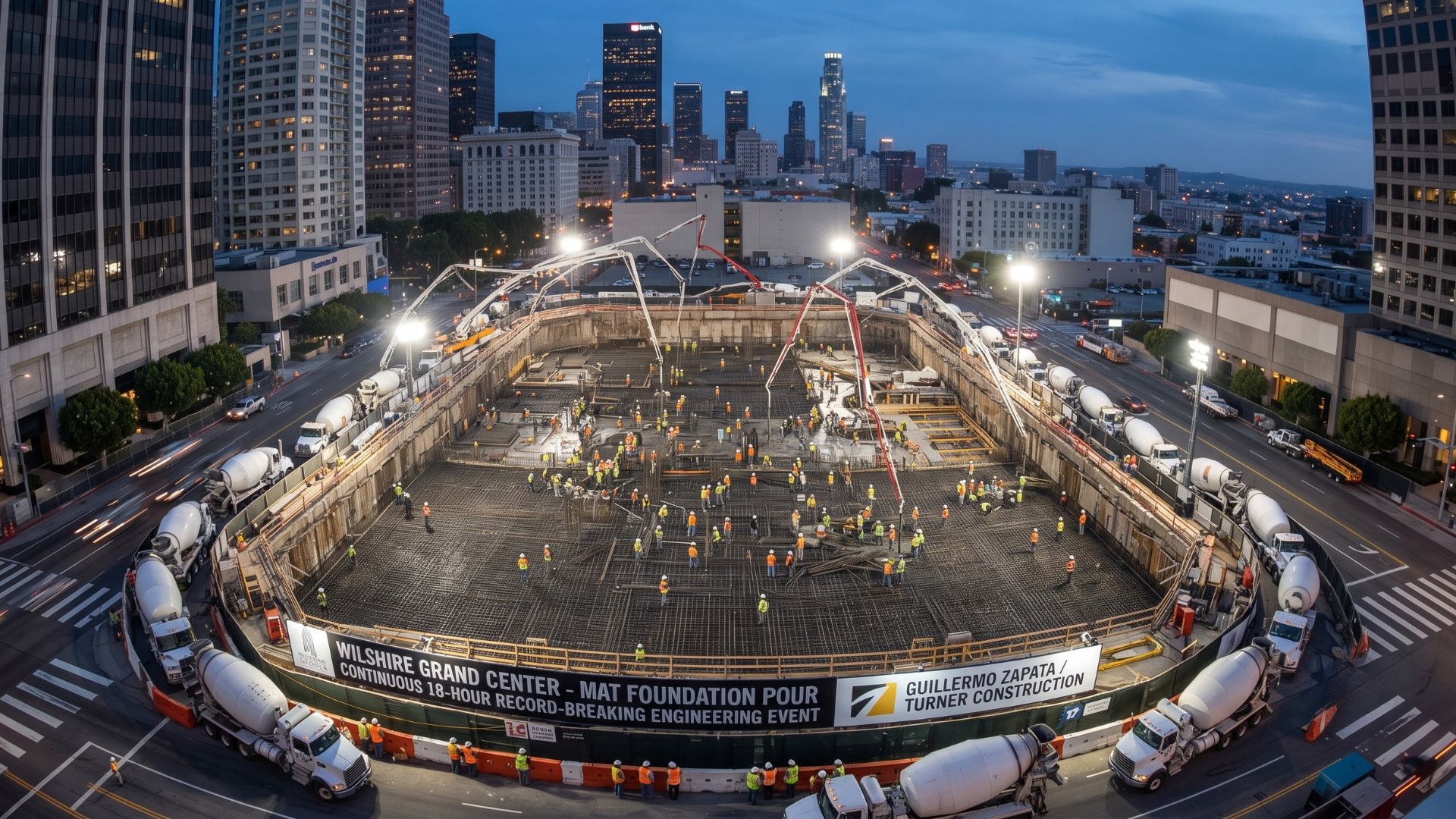
More than 2,100 trucks transported 16,200 cubic meters of concrete without interruption to create the foundation of the tallest skyscraper in the western United States and break a world record.

-
The man who started in construction with his own house founded a company in 1957, went through a banking crisis in 1987, and ended up connected to 16,500 houses in Houston.

-
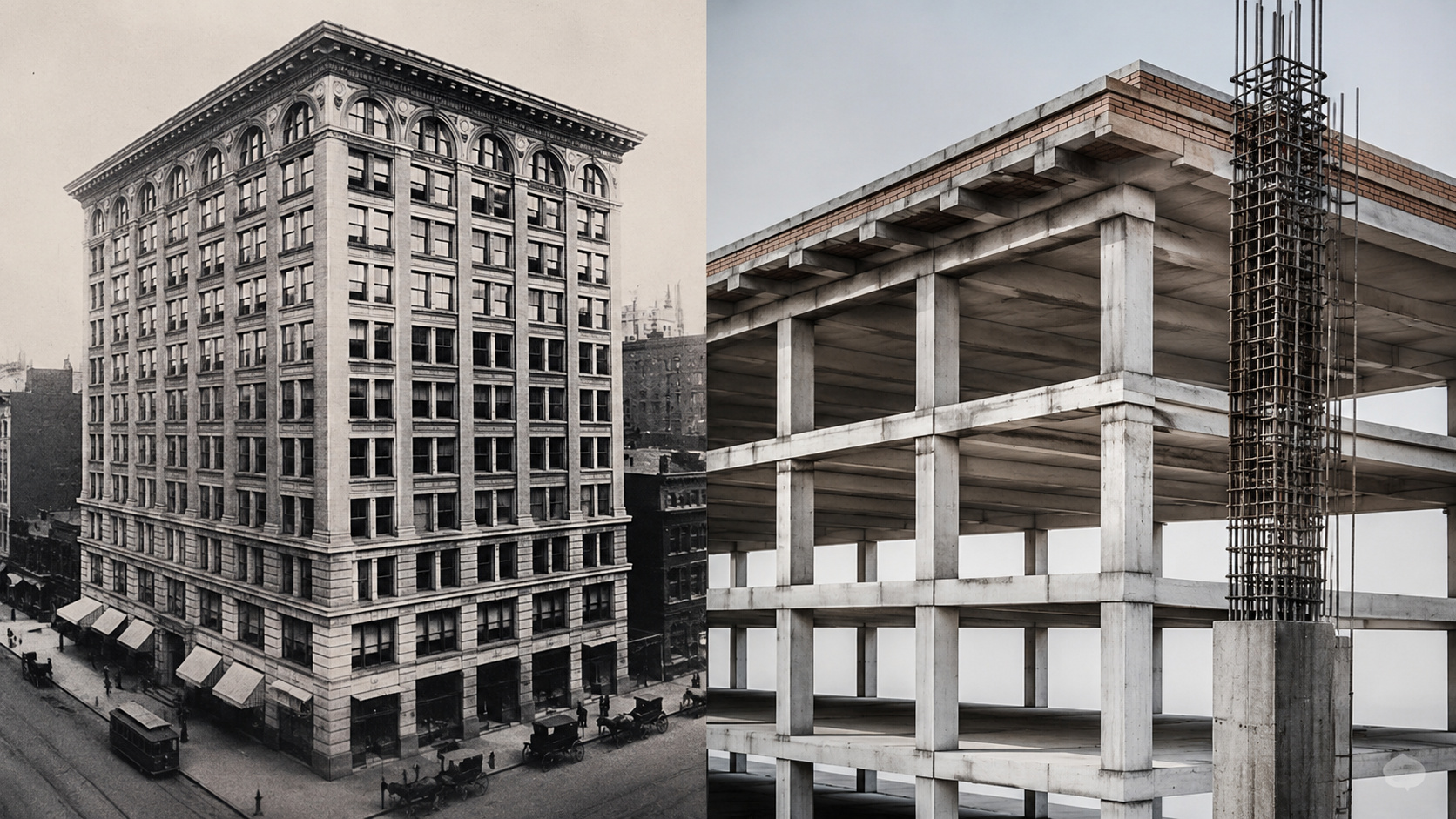
Builders challenged experts, erected a 16-story building using only reinforced concrete when the known limit was six floors, and proved that skyscrapers would never be the same again.


Report pointed out cracks, corrosion, and serious risk in busy structure

The most alarming point of the case was the technical content used to support the action. The report pointed out issues such as longitudinal crack, corrosion in structural elements, and flaws that could endanger those who circulate in the region.
The situation becomes even more sensitive because the viaduct does not only serve vehicles. The structure also includes a pedestrian passage area, which amplifies the impact of any flaw. In other words, the problem affects not only drivers but also residents, workers, students, and people who cross the region every day.
The expression “high lethality” used in the case gave strength to the repercussion. It indicates that a potential accident involving the structure could have serious consequences, especially on an elevated, urban road with constant traffic.
Court ordered the closure of the viaduct, but City Hall contested the risk of collapse
After the Public Prosecutor’s Office’s statement, the Court ordered the immediate closure of the José Manoel da Conceição Viaduct. The order affected both vehicle traffic and the pedestrian walkway, forcing the municipality to take urgent measures.
However, the Jandira City Hall contested the more severe interpretation of the structure. The municipal administration stated that the viaduct did not present an imminent risk of collapse and argued that the problems were mainly related to maintenance issues, such as joint wear and the need for repairs.
This conflict turned the case into a technical and institutional dispute: on one side, the Public Prosecutor’s Office maintaining the existence of a high risk; on the other, the municipality trying to avoid the total closure of an essential road for the city.
Closure impacted traffic and exposed the city’s dependence on the viaduct

The closure would not affect just an ordinary street. The viaduct is an important piece of circulation in Jandira, connecting central areas, neighborhoods, and routes used by those who need to access commercial regions and connecting roads.
With the closure, drivers could face detours, increased travel time, and overload on alternative routes. For a city that depends on few structural connections at critical points, the closure of a central viaduct has an immediate effect on the population’s routine.
This is precisely where the case gains strength: an urban structure used every day, seemingly incorporated into the city’s normal life, comes to be treated as a potential threat after technical analysis and judicial intervention.
TJ-SP authorized reopening, but the problem did not disappear

After the initial decision, the case advanced in the Judiciary. The Court of Justice of São Paulo suspended the total interdiction and authorized the reopening of the viaduct, based on an assessment indicating no imminent risk of collapse.
But this does not mean that the story is over. The reopening did not erase the pointed-out flaws, nor did it end the discussion about maintenance, safety, and public authority responsibility.
The most important point is that, even with the passage being allowed, the Judiciary later condemned the municipality to execute structural and accessibility interventions on the José Manoel da Conceição Viaduct. This reinforces that there was indeed a concrete demand for works, technical tests, corrections, and permanent maintenance.
Required works include drainage, cracks, reinforcements, and accessibility
Among the measures demanded are technical actions related to the integrity of the structure, such as treatment of cracks, evaluation of exposed reinforcements, clearing of drainage, signage improvements, and adjustments to ensure accessibility.
This detail is fundamental: the case is not just a political fight or a momentary scare. It exposes a recurring problem in many Brazilian cities: essential public works age, receive insufficient maintenance, and only enter the center of the debate when a court order or risk to collective safety arises.
In structures like viaducts, bridges, and walkways, small flaws ignored for years can turn into larger threats. Therefore, preventive maintenance is not a bureaucratic detail; it is a matter of life, mobility, and public responsibility.