Portuguese
  Spanish


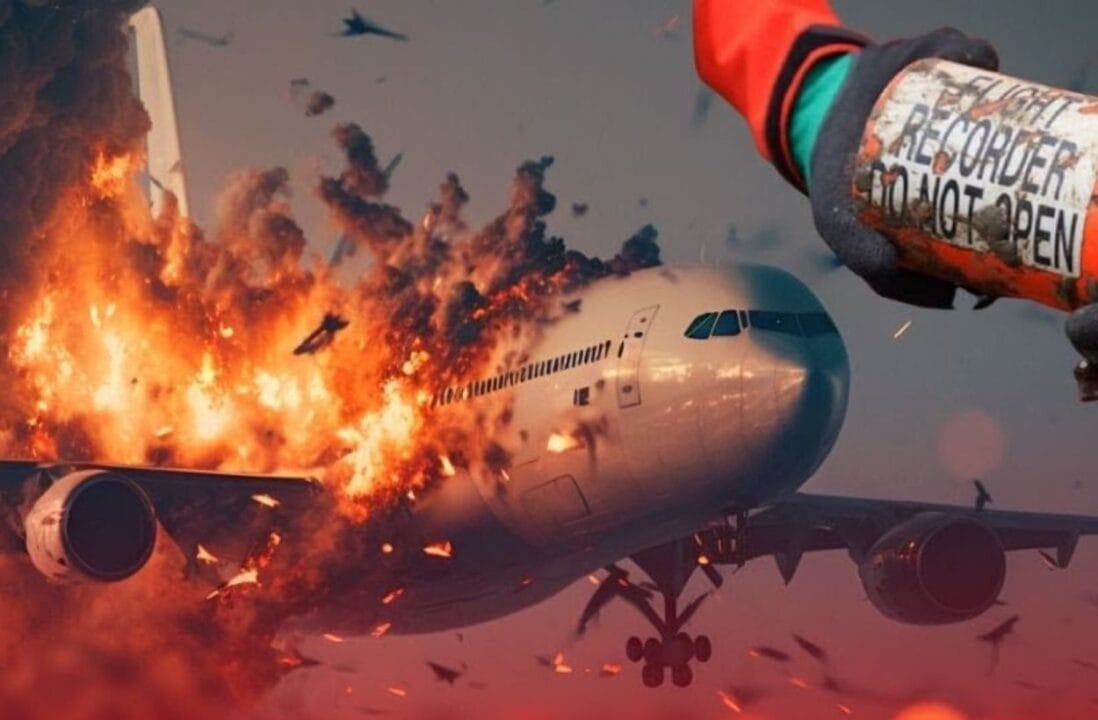

Understand How the Airplane Black Box, with Its Data and Voice Recorder, Captures Crucial Flight Information, Resisting Extreme Conditions to Aid Aeronautical Investigations.
At the heart of aviation, the airplane black box, technically known as the flight recorder, is a device that captivates the curiosity of many. Contrary to what the name suggests, this equipment is remarkably orange, an intentional choice to ensure its visibility in cases of aircraft accidents. But what exactly do we find inside this mysterious box, and how does it work?
The black box is divided into two main parts: the data recorder and the cockpit voice recorder. These devices are essential for investigating aircraft accidents, providing crucial information that can help improve aviation safety.
Data and Voice Recorders: The Technology Behind Safety with the Airplane Black Box


The flight data recorder captures information from multiple sensors spread throughout the aircraft, recording parameters like altitude, speed, and direction. The voice recorder collects conversations in the cockpit, along with background sounds that may be vital to clarifying the events that led to an incident.
-
She spent 73 years breathing inside an iron lung, survived the aftereffects of polio, and became the last woman in the United States dependent on the equipment before dying at 78 years old.

-
Brazilian students created a $1 filter using pine bark, cotton, and 3D-printed parts to clean cassava wastewater, reduce the toxicity of a hazardous waste, and transform contaminated water into biofertilizer.

-
Astronaut from Artemis II steps down after mission to the Moon and decision surprises after a record of 406,771 km, a historic 10-day journey, and an unprecedented achievement for Canada.

-
A fossil kept for years in a small museum in Montreal concealed 450-million-year-old soft tissue, a discovery that has only happened once before in history.


With technological advancements, the storage capacity and effectiveness of these recorders have improved significantly. We have moved from the era of magnetic tape and steel plates with binary perforations to highly advanced memory chips, capable of storing a massive amount of data and audio. Some modern black boxes combine both recorders into a single device, further optimizing the data collection process.
The Design and Durability of a Black Box
The robust design of the black box aims to protect its internal memory against the adversities encountered in an aircraft accident. Made of a titanium and steel alloy, with an internal layer of silica to insulate from extreme heat, the box is engineered to survive severe impacts and extremely high temperatures. Still, it has its limits: while it can withstand extreme conditions, the integrity of its data may be compromised by physical damage or prolonged exposure to adverse environments.
Despite its apparent indestructibility, the true gem of the black box is the memory chip, which is meticulously examined by experts in the event of accidents. Modern equipment, such as special microscopes, allows for the analysis of the physical integrity of the chip, essential for data recovery.
Why “Black Box”?
The origin of the term “black box” is nebulous, with various theories attempting to explain its nomenclature. One suggestion is that, in the early days of its implementation, the technical details of these devices were a mystery to many, including the pilots themselves, hence the term “black” associated with the unknown, back in the 1950s; of course, nowadays it’s much better to say flight recorder than using prejudiced terms. Another theory points to a journalist’s description after a presentation of the device in the 1950s, while some believe the term reflects the secretive nature of the recorded data.
The airplane black box, or flight recorder, is a critical component in the investigation of accidents in aviation, providing valuable insights to continually improve aviation safety. With the evolution of technology, its ability to collect and preserve information has become more sophisticated, ensuring that even in the most tragic moments, we can learn and move towards a safer sky.