Portuguese
  Spanish


India Maintains Purchase of Russian Oil Despite US Threats, Seeking Economic and Energy Stability Based on Historical Alliances and National Sovereignty
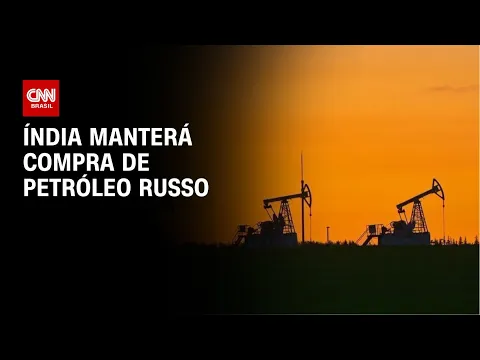
The purchase of Russian oil by India has solidified as one of the main topics in the global energy and geopolitical landscape. Even facing intense pressure from the United States and its allies, the Indian government reaffirms its decision to continue importing the product from Russia.
This choice reflects more than immediate commercial conveniences, as it reveals a strategy based on the country’s diplomatic history, its energy demands, and the quest for autonomy in times of international uncertainty.
Since the Cold War, India has adopted a non-alignment foreign policy. For this reason, for decades, the country has cultivated balanced relations with the West and the former Soviet Union.
-
OPEC+ Boosts Oil Supply by 188,000 Barrels per Day in July 2026, Leading to Price Drop from $112 to $89 per Barrel in Under Two Months

-
TotalEnergies Signs 20-Year Deal to Purchase 2 Million Tons of LNG from Alaska, Boosting Project Viability
-
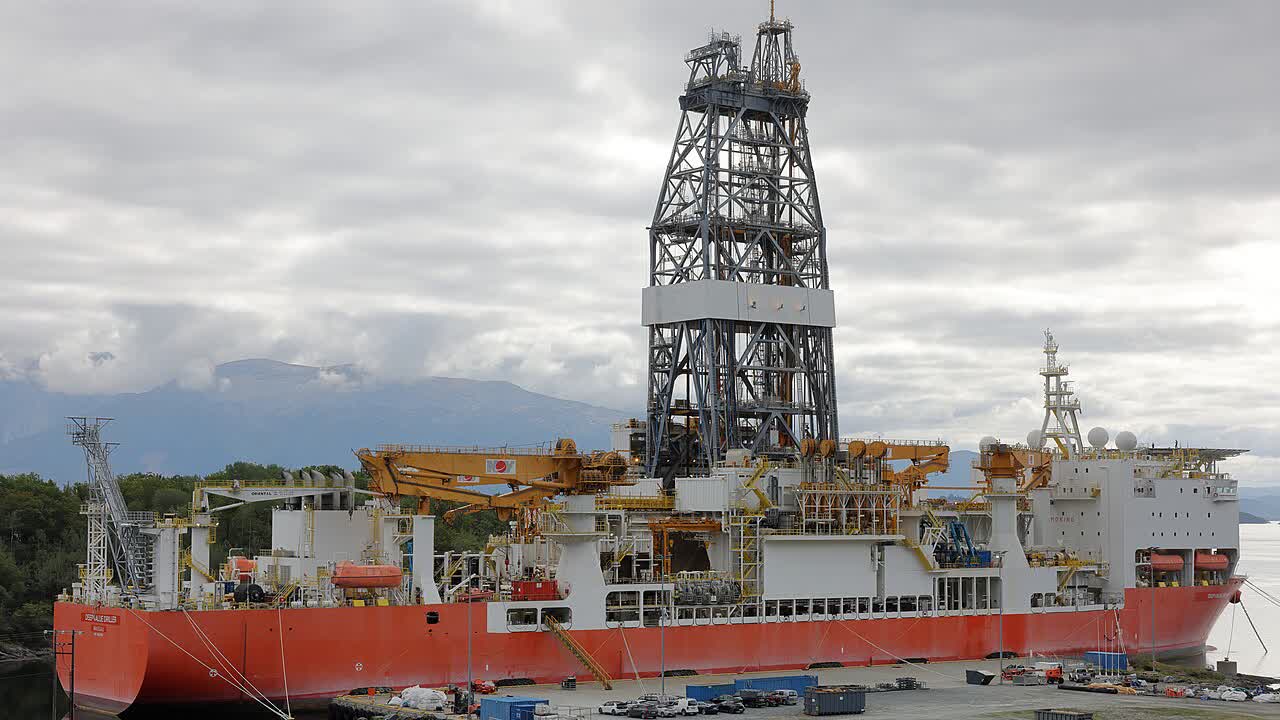
Turkey Deploys Çağrı Bey Drilling Ship to Explore New Oil Frontier Off Somalia’s Coast
-
Golden Pass LNG Ships First Liquefied Gas Cargo from the U.S., Completing $10 Billion QatarEnergy and ExxonMobil Investment



These settled partnerships endure to this day. Therefore, even in the face of Western pressures, New Delhi strengthens its ties with Russia.
Moreover, the Indians utilize this alliance as a way to preserve an open diplomatic position. While many countries rigidly align with political blocs, India prefers to navigate between different power poles.
Thus, the country enhances its negotiating capacity and avoids depending on a single sphere of influence.
Growth of Energy Relations Between India and Russia
In recent years, conflicts in Eastern Europe and sanctions against Moscow have significantly altered the international energy market. Even in this scenario, India chose not to distance itself from Russia.
The government saw the purchase of Russian oil as a way to control domestic fuel prices and ensure supply for the third largest economy in Asia.
Indeed, Russia currently leads the list of oil suppliers to India. The country accounts for about 35% of total imports, surpassing traditional partners in the Persian Gulf.
Between January and June 2025, the Indians purchased an average of 1.75 million barrels per day. This volume maintained the trend of the previous year.
This demonstrates the continuity of the energy partnership between the two countries.
Consequently, New Delhi reinforces this proximity based on economic logic. This is because the Russians offer favorable conditions, with prices below the international average.
For a growing economy that depends on accessible energy, this factor directly influences strategic decisions.
Furthermore, Indian authorities consider that these imports contribute to the moderation of global oil prices.
Indian Justifications and International Legality
The Indian government argues that diversifying suppliers helps stabilize the domestic economy. In a scenario of war and uncertainty, maintaining contracts with Russia reduces the risk of fuel shortages or price increases.
Unlike Iranian and Venezuelan oil, Russian oil does not face direct UN sanctions. Thus, the Indians take advantage of the legal loophole and continue importing within international rules.
Additionally, these purchases comply with the price cap imposed by the European Union. Therefore, India avoids harsher penalties and ensures that trade agreements remain operational.
This strategy allows the country to have access to cheap oil without directly confronting Western blocs.
On the other hand, the legality argument accompanies another central point: the social and economic necessity. India struggles to balance growth, development, and social justice.
Affordable energy helps contain inflation, keep transportation running, and preserve jobs in the industry. Thus, ensuring the supply of cheap oil has become an internal protective measure.
US Pressure and India’s Sovereign Stance
In the United States, former President Donald Trump raised the stakes against India. He harshly criticized imports of Russian oil and arms and threatened to impose tariffs on Indian products.
Nevertheless, the Indian government dismissed any immediate changes to its energy policy.
Therefore, the Minister of External Affairs reiterated that the country has the right to protect its interests. This defense of energy sovereignty shows how much India values freedom of action.
The country rejects external interference that threatens its economic security and development.
For this reason, New Delhi also signaled its desire to maintain an independent role on the global stage. Instead of aligning with political pressures, the Indians seek pragmatic solutions.
With this, the country strengthens its international position and avoids direct involvement in disputes among major powers.
Strategic Autonomy Policy and India’s Global Role
As observed, India has been increasing its global prominence. The country participates in international forums, leads diplomatic initiatives, and seeks active engagement in multilateral decisions.
By maintaining the purchase of Russian oil, it reinforces its right to choose partners according to its own interests.
Moreover, with over 1.4 billion inhabitants and rapid economic growth, India needs to ensure continuous and affordable energy.
The country imports more than 80% of the oil it consumes. Any disruption could lead to negative effects on inflation, transportation, industry, and the daily lives of the population.
Although the government invests in alternative sources, such as solar, wind, and green hydrogen, this transition still takes time.
Meanwhile, maintaining the supply of oil at viable prices remains a strategic necessity.
Cooperation with Russia Goes Beyond Energy
The alliance with Moscow is not limited to oil. The two countries maintain active cooperation in defense, technology, science, and space.
This decades-long relationship facilitates long-term contract negotiation, including in the energy sector.
Thus, the trust between the two nations allows India to secure favorable commercial conditions.
On many occasions, Indian officials have classified Russia as a reliable partner. Even during international crises, Moscow has maintained its commitment to oil supply, reinforcing the Indian choice.
For this reason, experts recognize that this decision follows a consistent logic. Instead of ideology, India applies technical and economic criteria.
By defending its space in the international market, the country also reinforces the importance of fair energy solutions for the Global South.
Future Paths and Continuity of the Strategy
In this way, the trend is that the purchase of Russian oil by India will remain relevant in the coming years.
New Delhi should maintain contracts with Russia while also advancing its energy diversification agenda.
The country is increasing its investments in renewable infrastructure, but still depends on oil to sustain its growth.
This reality explains why the government continues to resist external pressures. In a transforming world, with new disputes and ruptures, India bets on its autonomy to ensure energy security and economic stability.
By protecting its interests, the country reinforces the principle of self-determination.
Instead of yielding to threats, it defines its partnerships based on internal realities. Therefore, this approach strengthens its international presence and ensures that it continues to carve its own path, even in the face of tensions dominating the global scenario.