Portuguese
  Spanish


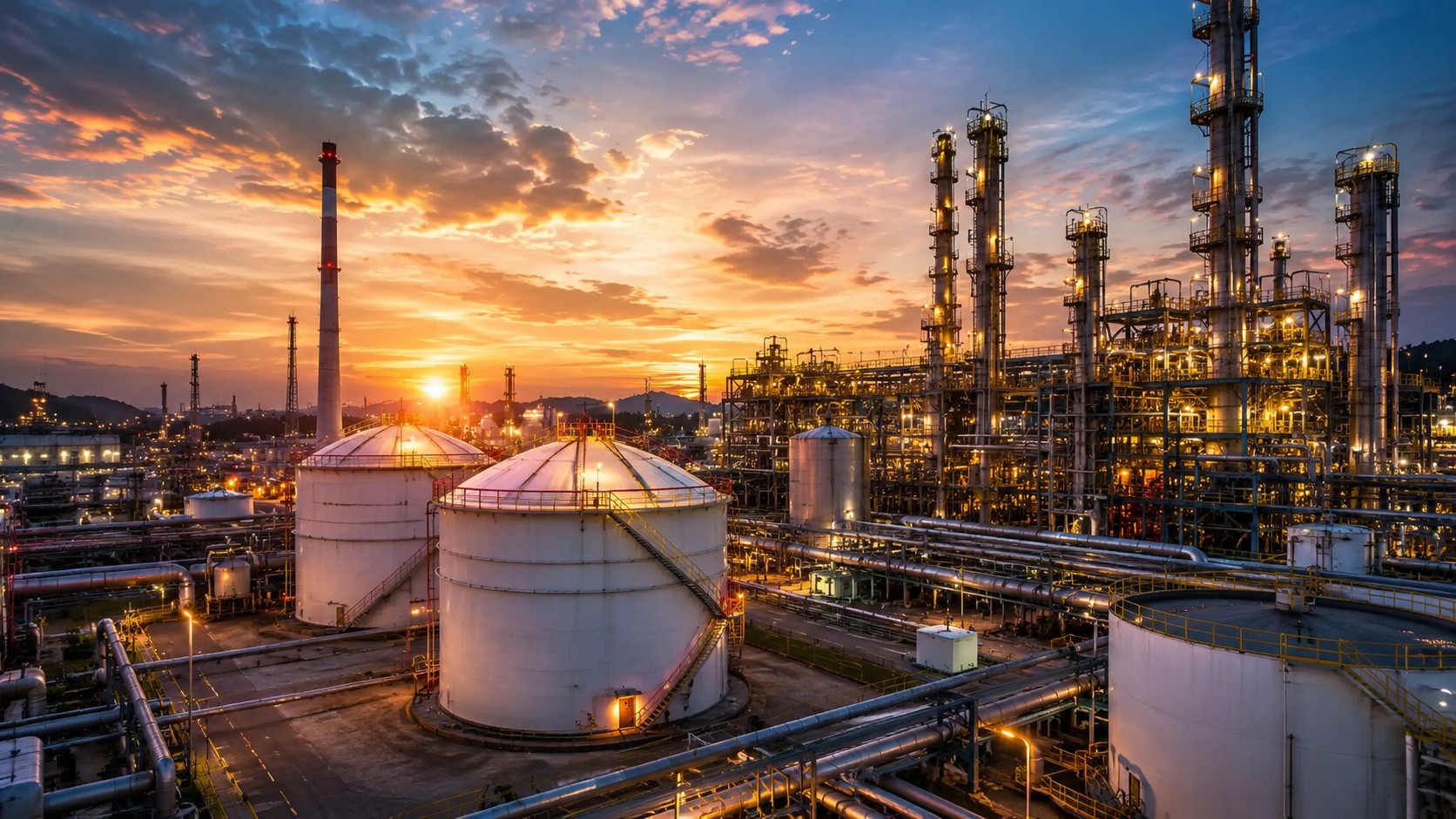
Shell and INEOS drilled the rock eight kilometers below the Gulf of Mexico seabed and found high-quality oil in one of the most promising formations the basin has to offer in 2026
The field is located approximately 130 kilometers south of New Orleans, within the deep waters of the Gulf, where the water depth already exceeds a thousand meters before the drill even touches the bottom of the sedimentary formation. Shell operates the project with a majority stake; INEOS, the British petrochemical giant led by billionaire Jim Ratcliffe, joined as a minority partner in a clear bet that the Gulf of Mexico still has top-tier reservoirs to reveal.
The name “Far South” already says something about the strategy: the industry has been pushed further south and into greater depths as the shallow fields of the Gulf have aged. Today, the most relevant operations are in regions like Walker Ridge, Keathley Canyon, and Mississippi Canyon — areas where the pressure and temperature of the subsurface require state-of-the-art drilling equipment and where well risks are exponentially higher than in the first generations of American offshore projects.
The oil found in Far South was described by the companies as high quality, which in technical language means high API density, low sulfur content, and good fluidity at reservoir temperature. This profile simplifies refining and increases the profit margin per barrel, unlike heavy and viscous oil that requires intensive processing before turning into transportation fuels.
-
Oil Prices Rise as U.S.-Iran Tensions Heighten Concerns Over Global Supply and Energy Market Stability

-
Explosion at QatarEnergy Plant in Ras Laffan Kills 13 and Injures 66; Investigation Rules Out Sabotage

-
Brazil’s Búzios Oil Field Sets Record with 1.2 Million Barrels Per Day, Strengthening Global Leadership in Deepwater Production
-
Petrobras and Equinor Reach Agreement for 50% Stake in Itaimbezinho Block in Brazil’s Pre-Salt Campos Basin


The relevance of the discovery goes beyond the estimated volume. The Gulf of Mexico is the backbone of U.S. offshore production — responsible for about 15% of the oil the country produces every day. But the Gulf’s production curve has suffered from the natural decline of old fields, and the industry needed major discoveries to sustain American production growth in the medium term. Far South arrives at a time when Washington is debating the expansion of offshore leasing and the role of the Gulf in the U.S. energy security strategy.
The approval of BP’s Kaskida field — the company’s first new field in the Gulf since the Deepwater Horizon disaster in 2010 — and now Shell’s Far South signal that the Gulf is back on the radar of major companies for long-term investments. Together, the two projects represent billions of dollars in committed capital and decades of potential production.
For Shell, the discovery reinforces the company’s position as one of the largest deepwater operators on the planet, alongside projects like Appomattox, Vito, and Whale, all in the Gulf. The company has heavily invested in drilling technology to reduce the cost per barrel discovered in ultra-deep waters, and Far South is another result of this long-term strategy.
The question the market is now asking is how much oil Far South really has. Initial estimates of major deepwater discoveries are often revised as the appraisal campaign progresses — sometimes upwards, as happened with Buzios in Brazil, sometimes downwards, when reservoir heterogeneity frustrates projections. With oil prices pressured by OPEC+ increasing supply, the breakeven of a deepwater project needs to be very well calculated before any development decision.
What’s your bet: will Far South become one of the largest fields in the Gulf or remain just a promise that doesn’t deliver? Comment here.