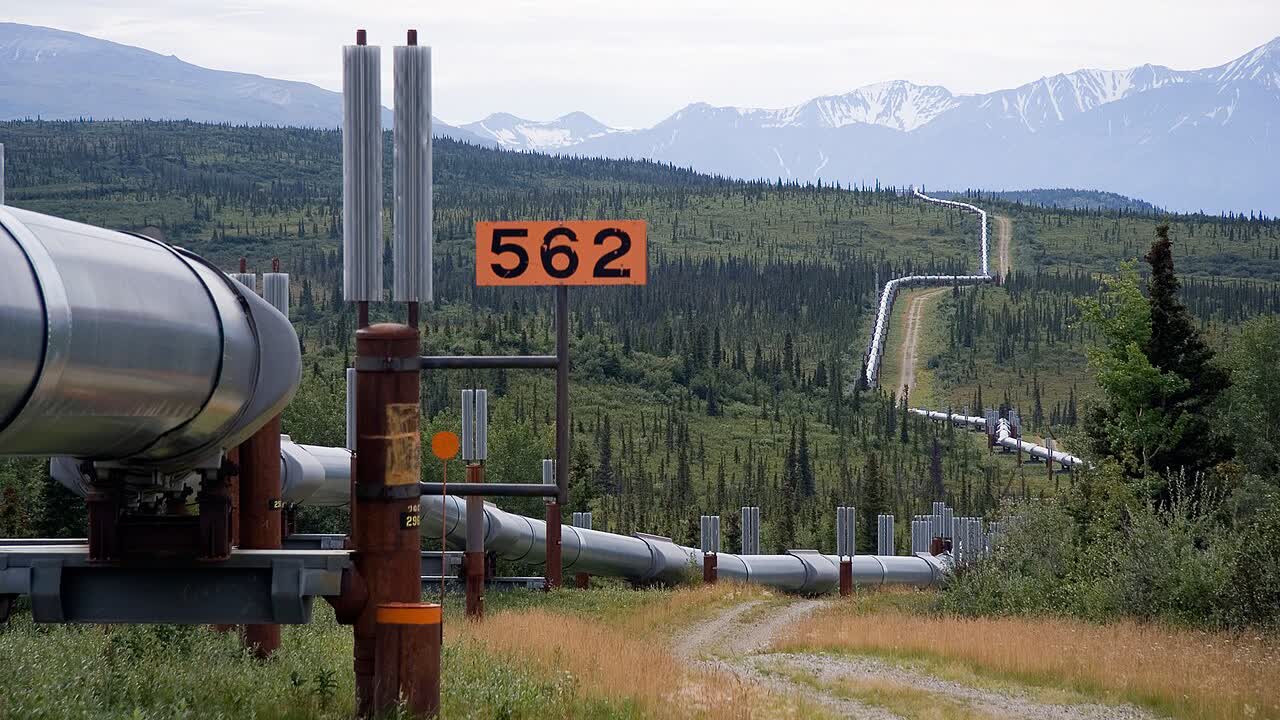

TotalEnergies committed 2 million tons of LNG per year for two decades in the Alaska LNG project and gave the plan to export gas from Prudhoe Bay the demand signal that was missing to attract the billions needed for the work
Alaska LNG is one of the largest natural gas infrastructure projects underway in the United States. The central idea is to connect the Prudhoe Bay field in northern Alaska to an LNG export terminal in Nikiski, on the Kenai Peninsula in the southern state. To achieve this, a 1,287-kilometer pipeline would need to be built across the interior of Alaska — the largest pipeline project in American history — in addition to a liquefaction plant with a capacity of 20 million tons per year. The estimated total cost is close to $44 billion.
TotalEnergies’ agreement, signed on a preliminary basis subject to the project’s final investment decision, provides for the purchase of 2 million tons per year for 20 years. To give an idea of the size: Golden Pass LNG, which just dispatched its first cargo, has a total capacity of 16 Mtpa with three trains. TotalEnergies’ 2 Mtpa is equivalent to more than an entire train of Golden Pass dedicated to a single buyer.
Why Alaskan gas? The Prudhoe Bay field is one of the largest oil and gas reservoirs in North America. It has produced oil in large volumes since the 1970s through the Trans-Alaska Pipeline System, but its associated gas has been reinjected into the wells due to a lack of transportation infrastructure. An estimated 35 trillion cubic feet of gas lie underground in the region — a volume that only Russia, Qatar, and a few other countries surpass in known reserves. The problem is that this gas is more than 1,200 kilometers from the sea, in the middle of the Arctic.
-
Turkey Deploys Çağrı Bey Drilling Ship to Explore New Oil Frontier Off Somalia’s Coast

-
Golden Pass LNG Ships First Liquefied Gas Cargo from the U.S., Completing $10 Billion QatarEnergy and ExxonMobil Investment
-
Shell and INEOS Confirm Far South Discovery Nearly Eight Kilometers Below the Gulf of Mexico Seabed
-
Oil Prices Rise as U.S.-Iran Tensions Heighten Concerns Over Global Supply and Energy Market Stability

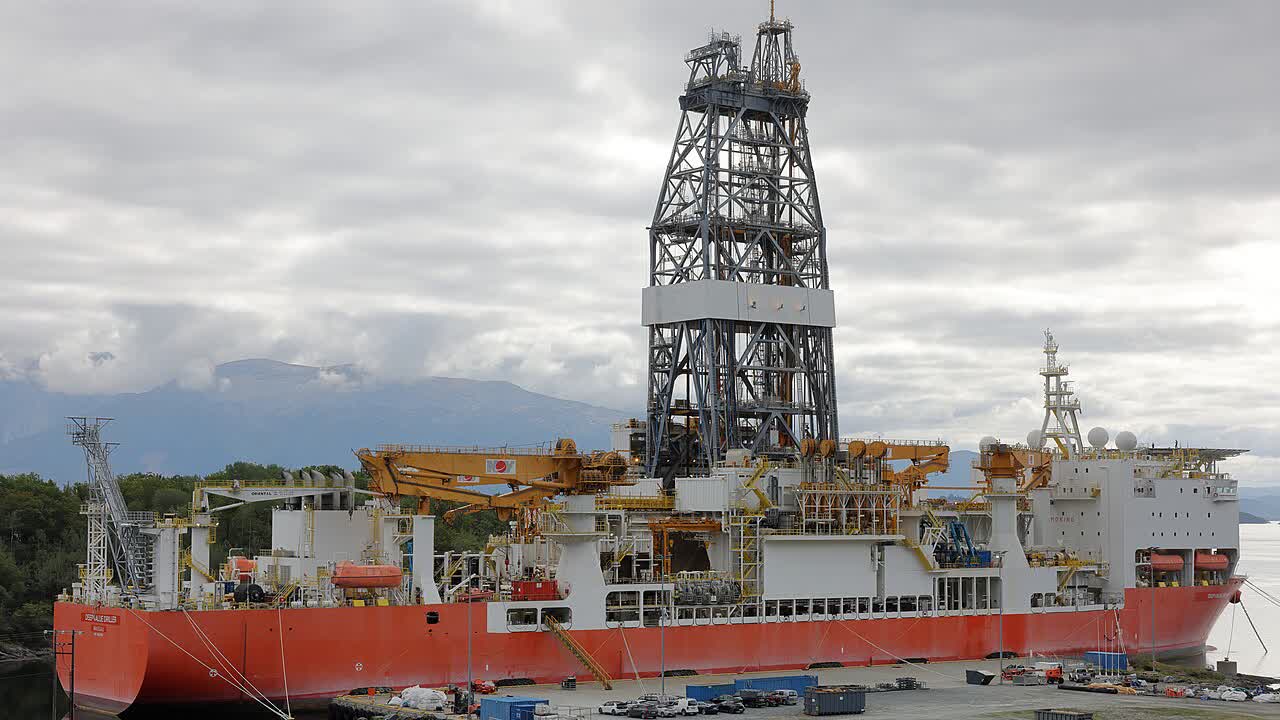


The target markets for Alaska LNG are Japan, South Korea, and potentially other countries in the Asian Pacific. Alaska has a geographical advantage over Gulf of Mexico terminals: it is much closer to Japan and Korea, which reduces the time and cost of transporting LNG carriers. An LNG shipment from Alaska reaches Japan in about seven days; from the Gulf of Mexico, it takes about twenty-five days crossing the Panama Canal.
The project has a long history of promises and delays. It was first studied in the 1970s and never materialized due to a lack of economic viability. The shale revolution, paradoxically, increased the volume of gas available in the US but also lowered domestic prices, making the cost of developing Alaska even harder to justify. The change in calculation came with Asian and European demand for LNG after the 2021-2022 energy crisis and with the political support of the American government for the project as a tool of energy security and influence in the Pacific.
TotalEnergies’ agreement is a step, not the finish line. The project still needs more sales contracts, bank financing, and the final investment decision from the operating companies to actually move forward to construction. The 1,287-kilometer pipeline through the Arctic is an engineering work unparalleled in the US — longer than the Trans-Alaska Pipeline itself — and requires technical solutions for permafrost, river crossings, and extreme weather conditions.
If it comes to fruition, Alaska LNG would transform Alaska from a state dependent on declining oil revenue into one of the largest gas export hubs in the Western Hemisphere. It would be the largest American energy gamble since the construction of the Trans-Alaska Pipeline in the 1970s — and also the most expensive.
Do you think Alaska LNG will finally come to fruition or will it continue to be one of the largest energy projects that never materializes? Comment here.