Portuguese
  Spanish


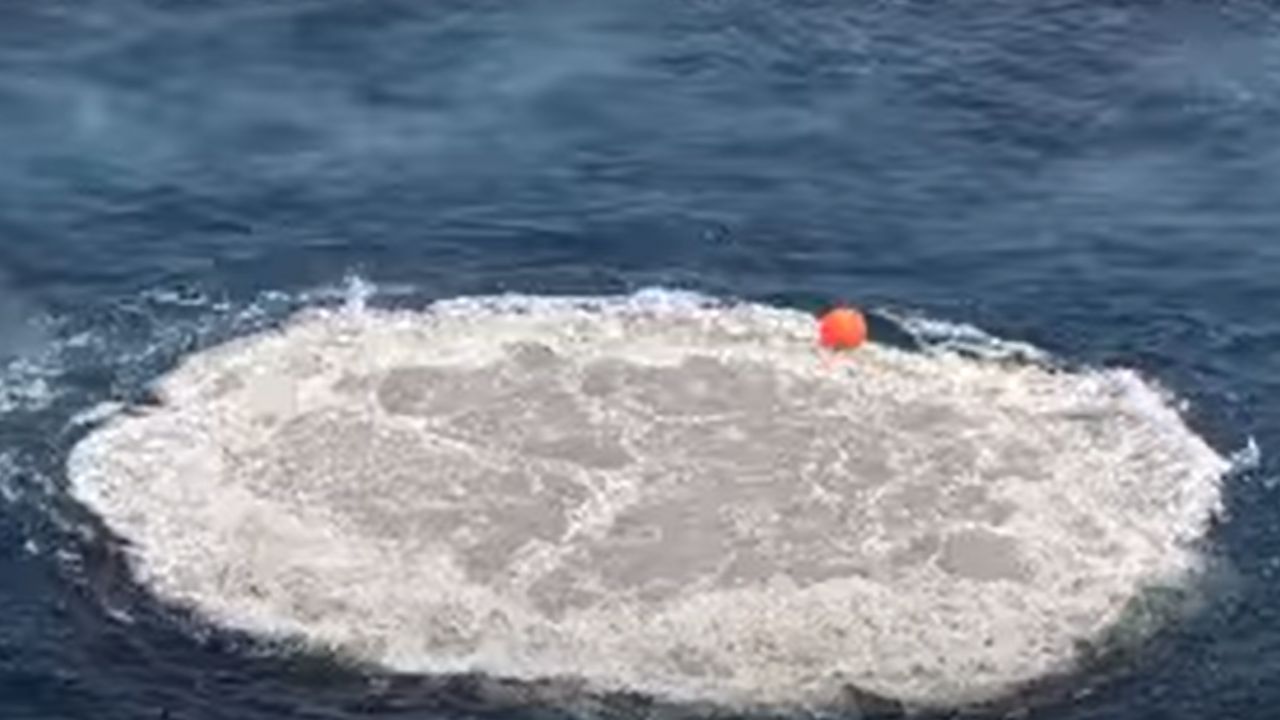

MIGM System Is Developed by DRDO and Promises to Strengthen the Country’s Naval Defense with 100% Domestic Production
The Indian Navy, in partnership with DRDO, has successfully completed the tests of the MIGM, a state-of-the-art underwater naval mine equipped with acoustic, magnetic, and pressure sensors, developed locally to strengthen the country’s defensive capability in the Indo-Pacific region.
Tests Confirm Operational Efficiency of the New Naval Mine
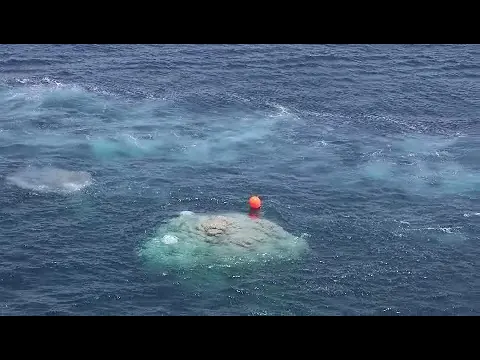
India has taken another step towards modernizing its naval defense with the successful test of the MIGM (Multi-Influence Ground Mine), a new naval mine designed to act against underwater threats in complex scenarios. The test firing with a reduced charge was conducted by the Indian Navy in partnership with the Defence Research and Development Organization (DRDO), according to information from the Naval Today portal.
The MIGM was designed to identify targets based on multiple stimuli, including pressure, magnetic fields, and sounds, making it capable of detecting everything from stealth submarines to modern warships. This feature elevates India to a new level in mine warfare, with a system that autonomously responds to different types of vessels, as highlighted by NDTV.
-
This Massive 12-Meter, 21-Ton Underwater Drone Can Operate Autonomously for Up to Five Days

-
Global Shipping Faces Shortage of Certified Maritime Officers, Salaries in the U.S. Can Exceed $100,000 Annually

-
The FLIP: A 108-Meter Ocean Laboratory That Stood Vertically for 60 Years, Dismantled in 2023
-
North Korean Fiasco: Launch of the Largest Warship Ends in Sinking




MIGM Naval Mine Is the Result of Collaboration Between Indian Laboratories

The MIGM project is the result of the joint work of three research centers of DRDO: the Naval Science and Technological Laboratory (NSTL), the High Energy Materials Research Laboratory (HEMRL), and the Terminal Ballistics Research Laboratory (TBRL). Located in Visakhapatnam, Pune, and Chandigarh, these institutes focus on developing specific technologies for military maritime use, consolidating national expertise in defense systems.
According to Naval Today, the integration of advanced sensors and the engineering of the explosive charge were validated in the sea tests, confirming the system’s readiness for large-scale production. The trial aimed to simulate real combat conditions and evaluate the mine’s automatic response to different underwater signatures.
Production of the New Naval Mine Will Be Done by Local Companies
The manufacturing plan for the MIGM mine is part of the “Aatmanirbhar Bharat” program, the Indian government’s policy to boost self-sufficiency in the production of strategic equipment. The manufacturing will be conducted by Bharat Dynamics Limited (BDL) in Visakhapatnam and Apollo Microsystems Limited based in Hyderabad, as detailed in Naval Today.
These partnerships with the national industry not only strengthen India’s maritime security but also promote technological development and job creation in the defense sector.
Enhanced Capabilities of the Indian Navy with New Naval Mine
The use of the naval mine MIGM represents a significant strategic advancement for the Indian Navy, especially in light of the increasing naval competition in the Indo-Pacific region. The system enhances India’s deterrent capability, ensuring greater control of coastal areas and strengthening passive defense against hostile vessels.
According to statements from Indian Defense Minister Rajnath Singh, the adoption of this new technology “demonstrates the country’s commitment to maritime security and national innovation”. The inclusion of the MIGM in the fleet is seen as a game changer in the Indian naval doctrine, positioning the navy as an increasingly prepared force to face modern underwater warfare challenges.