Portuguese
  Spanish




Discover Why Entering The Oil Industry Is Still A Strategic And Relevant Choice For Those Seeking Stability, Good Salaries, And Professional Growth In A Major Global Sector.
Undoubtedly, the oil industry has been one of the most influential forces in global economic development since the late 19th century.
Therefore, entering the oil industry represents, for many, a strategic step in pursuit of financial stability, professional recognition, and the chance to contribute to one of the most relevant sectors of the global economy.
Although often associated with crude oil extraction and fossil fuel production, this industry encompasses areas such as engineering, logistics, research, environmental safety, and large project management.
-
With a record production of nearly 3 million barrels per day, Petrobras resumes importing diesel in July, highlighting the bottleneck in Brazilian refining.

-
Qantas and Airbus Invest in Company Aiming to Convert Unsorted Household Trash into Jet Fuel

-
Brazil’s ANP Opens 86 New Oil Blocks in the Equatorial Margin, Expanding the Amazon River Mouth Frontier

-
OPEC+ Boosts Oil Supply by 188,000 Barrels per Day in July 2026, Leading to Price Drop from $112 to $89 per Barrel in Under Two Months
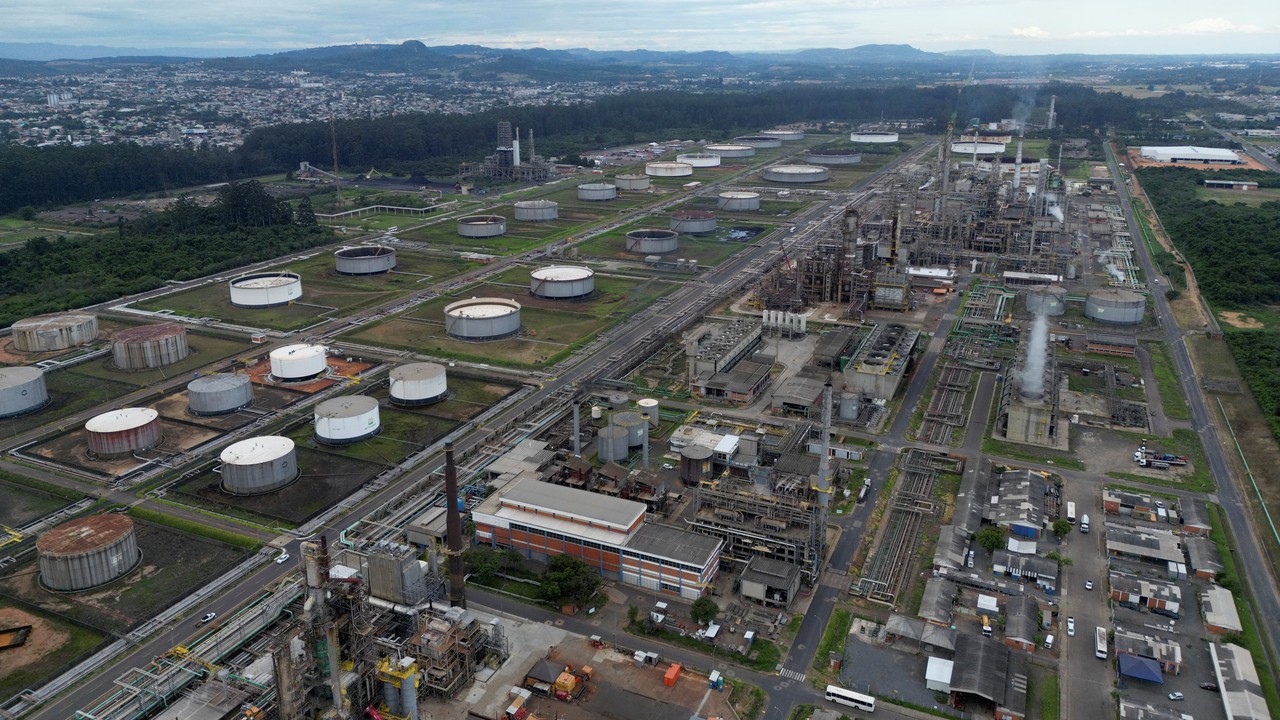


Thus, this diversity of areas allows professionals with varied profiles to find opportunities, from operational technicians to information technology and sustainability specialists.
Moreover, the industry also generates technological innovations, attracting professionals who want to work with cutting-edge technology, such as automation, artificial intelligence applied to extraction processes, and data analysis to optimize operations.
As such, the oil industry offers international careers, enabling employees to gain experiences in different countries and cultures.
The Birth Of A Powerful Industry
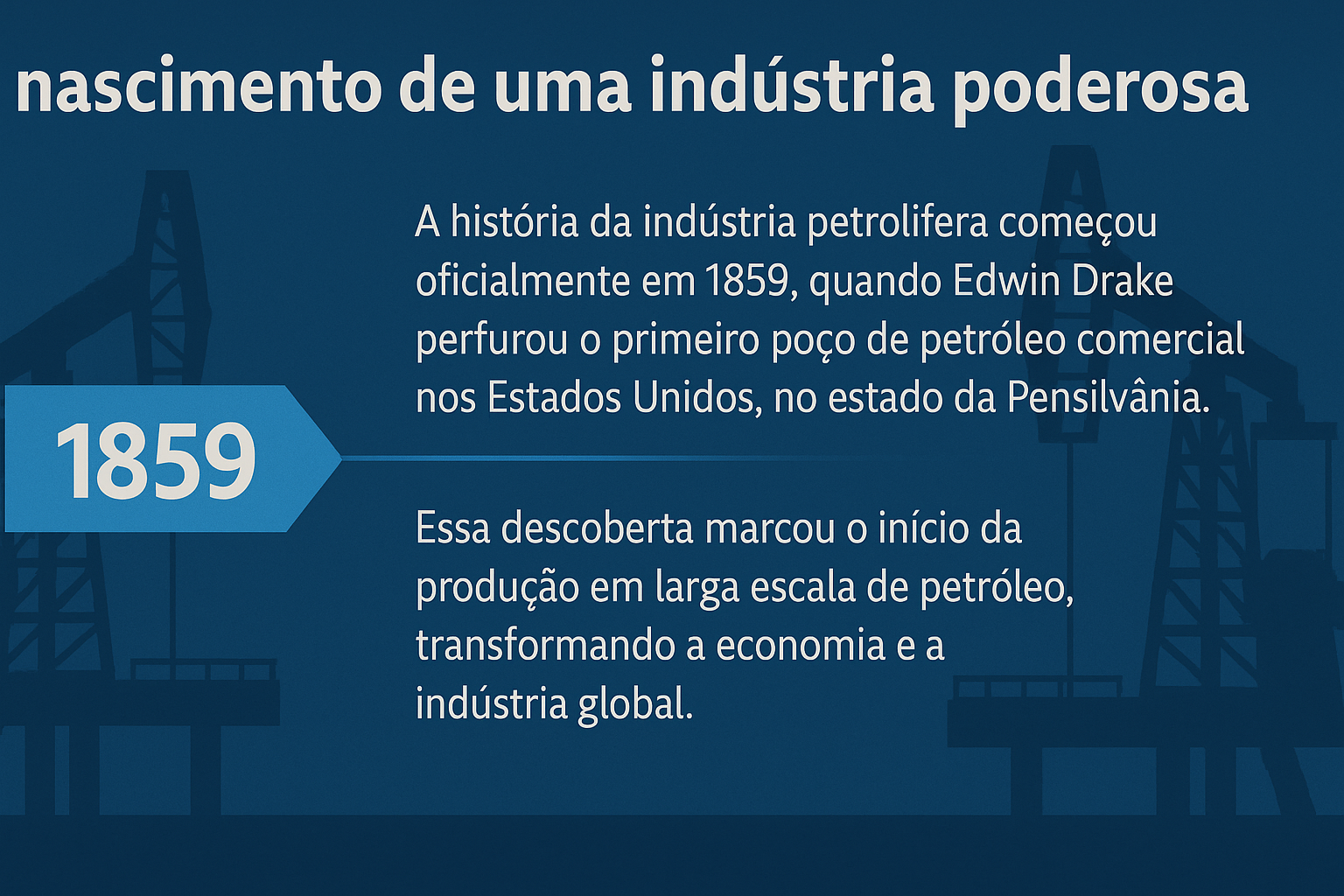
The history of the oil industry officially began in 1859, when Edwin Drake drilled the first commercial oil well in the United States, in Pennsylvania.
According to the U.S. Energy Information Administration (EIA), this discovery marked the beginning of large-scale oil production, transforming the global economy and industry.
Until then, oil was used only in a rudimentary way, extracted superficially and with limited purposes, such as lighting through kerosene.
Therefore, the discovery of the possibility of large-scale extraction opened the doors to a industrial and energy revolution that would shape the 20th century.
With the invention of the combustion engine and the rapid growth of the automotive industry in the early 1900s, oil became an indispensable resource.
As highlighted by the International Energy Agency (IEA) in its historical report, at the beginning of the 20th century, the demand for oil grew exponentially due to the automotive industry.
For this reason, countries like the United States, Russia, and later nations in the Middle East began competing for its production, transportation, and dominance.
Thus, this growing energy dependence drove the creation of major oil companies and established the foundations of what we know today as the global oil market.
Moreover, oil became essential not only for the automotive industry but also for the production of plastics, fertilizers, chemicals, and a wide range of essential consumer goods for daily life.
Therefore, this multiplicity of applications maintains the sector’s relevance, even in the face of debates about renewable energy.
Why Enter The Oil Industry?
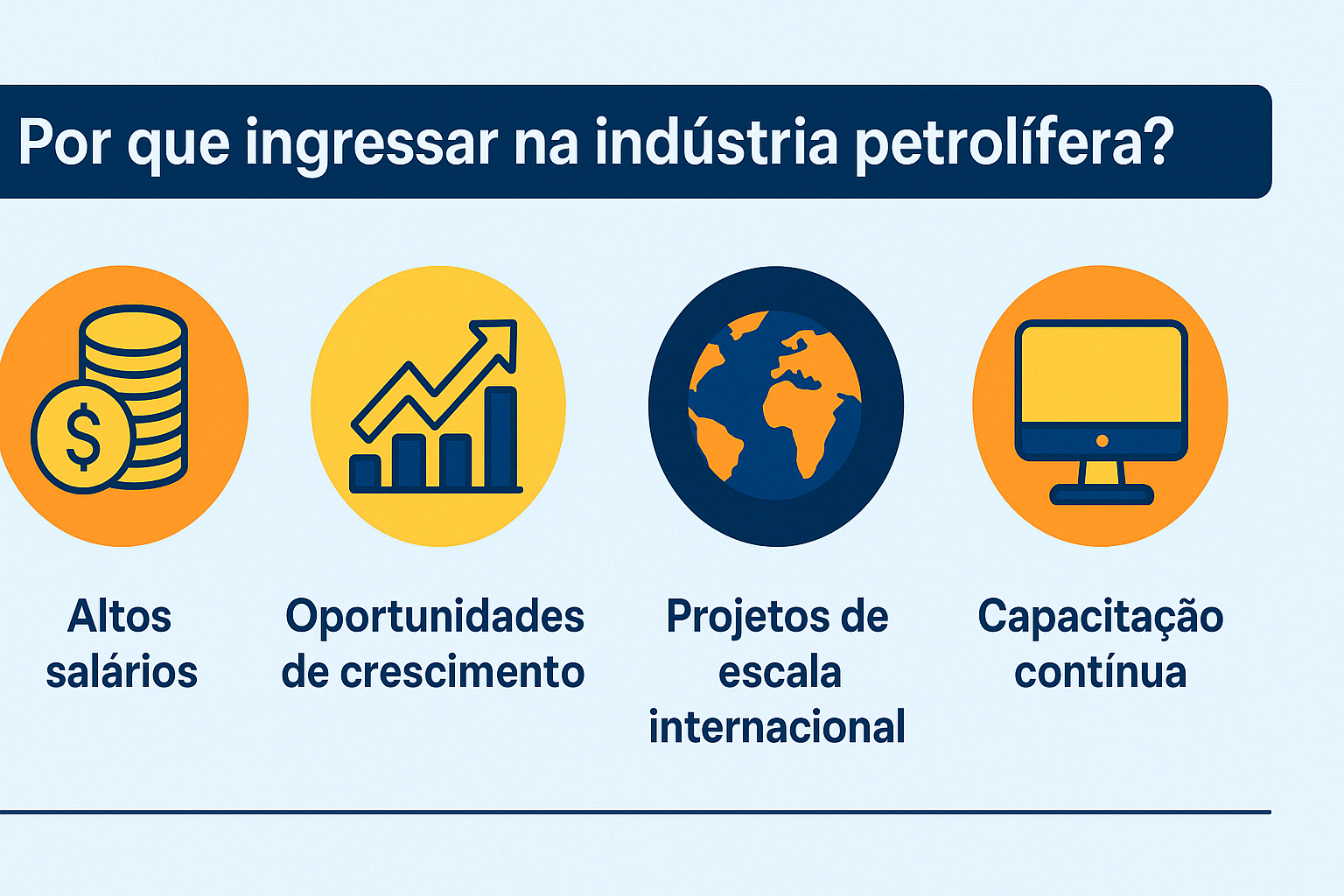
Over the decades, the oil industry has established itself as one of the most profitable and influential on the planet. According to data from the Organization of the Petroleum Exporting Countries (OPEC), the sector generates trillions of dollars annually and employs millions of people directly.
Therefore, thousands of professionals seek to enter this sector, attracted by high salaries, growth opportunities, and the chance to work on international scale projects.
In addition, oil companies offer ongoing training programs, attractive benefits, and the possibility of working in different countries and environments — from offshore platforms to corporate offices in major cities.
Another important point is that the oil and gas industry involves a complex ecosystem of interconnected sectors, such as geological exploration, reservoir engineering, refining, distribution, and marketing.
In this way, individuals with different profiles — technicians, engineers, administrators, environmental scientists, among others — find their place in this universe.
In addition to traditional careers, new opportunities arise in areas such as sustainability, energy efficiency, and corporate social responsibility, which companies increasingly value.
Therefore, entering the oil industry today requires not only technical knowledge but also strategic vision to keep up with the sector’s transformations.
The Economic And Social Contribution
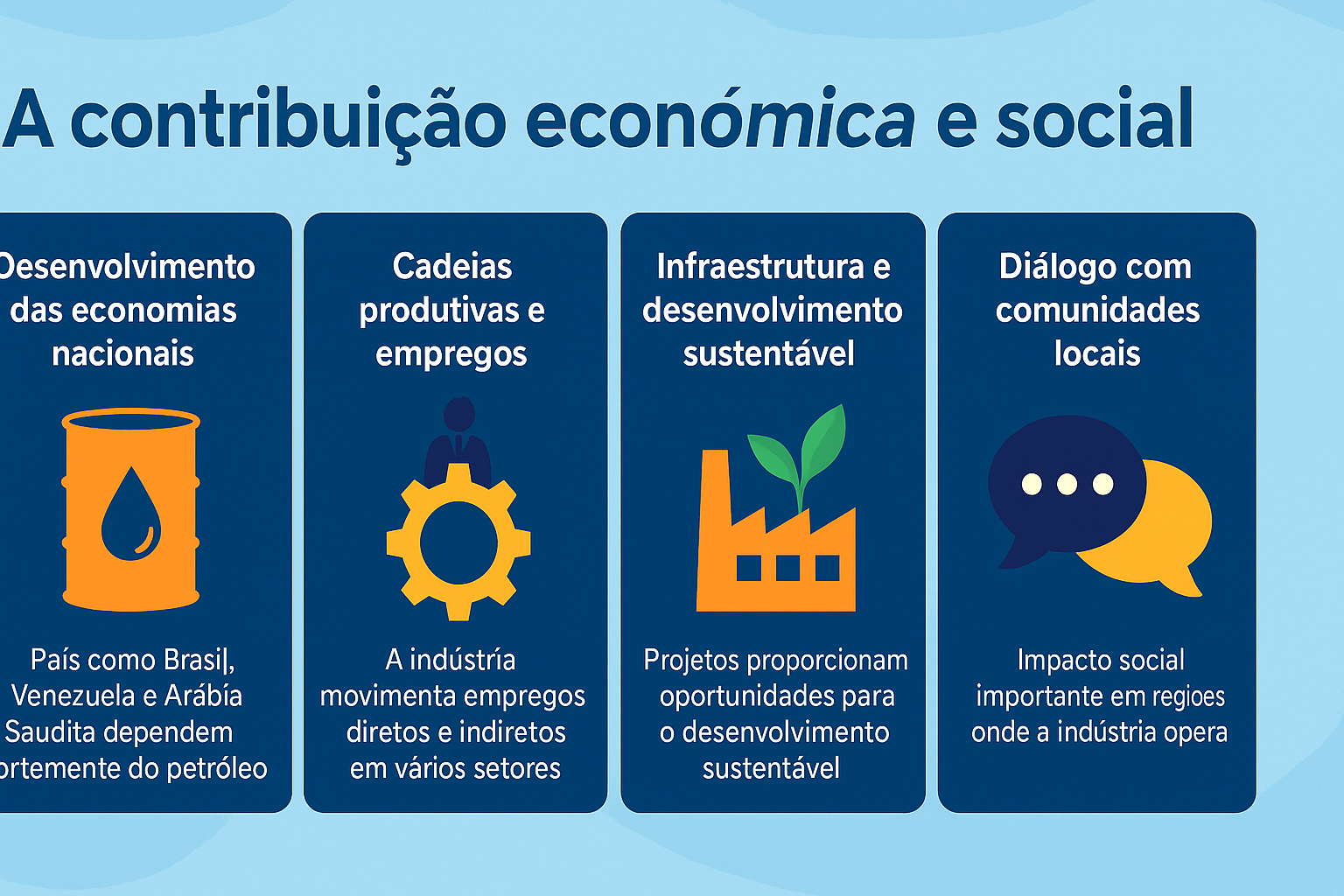
The importance of entering the oil industry becomes clear when observing its role in national economies.
Indeed, countries such as Brazil, Venezuela, Saudi Arabia, Norway, and Canada heavily rely on the export of oil or derivatives for their revenues, according to the World Bank.
Thus, the industry drives entire production chains, generating direct and indirect jobs in sectors such as transportation, metallurgy, information technology, and construction.
In Brazil, for example, Petrobras emerged in 1953 with the motto “the oil is ours”, representing not only an economic achievement but also a symbol of national sovereignty.
Since then, the company and others in the sector have been offering positions for professionals in various fields, driving the technological and scientific development of the country, according to data available on Petrobras’ official website.
However, the social impact of the oil industry is significant, especially in regions where it operates, creating job opportunities and infrastructure.
But it also imposes environmental and social challenges that companies need to manage responsibly.
Therefore, professionals entering the sector have the chance to work on projects that promote sustainable development and dialogue with local communities.
Education And Qualification
Anyone looking to enter the oil industry must prepare adequately.
Many universities and technical institutes offer courses geared toward the sector, such as oil engineering, chemical engineering, geology, petroleum and gas technician, among others.
In addition, internship programs, research grants, and exchange programs facilitate contact with the market.
Furthermore, large companies often partner with educational institutions to recruit new talents even during academic training.
Therefore, seeking a solid qualification and staying updated with sector trends are essential steps for anyone who wants to start or advance in this career.
In addition to technical training, companies value skills such as teamwork, communication, problem-solving, and fluent English.
Similarly, another important differentiator is developing soft skills, such as leadership, adaptability, and critical thinking, increasingly demanded to enable professionals to operate in a landscape of rapid change and constant innovation.
The Future Of The Profession
Thus, entering the oil industry still represents a valid and strategic bet, even in a world moving towards cleaner energy sources.
The energy transition will take place gradually, and during this period, oil will continue to power the world, producing goods and maintaining infrastructures.
Moreover, the expertise accumulated by decades of industry professionals will play a fundamental role in guiding the new energy economy.
In other words, today’s technical knowledge will serve as a bridge to sustainable innovations tomorrow.
As a result, hybrid careers, blending knowledge in oil with renewable energies, are expected to gain prominence, opening space for versatile professionals willing to innovate.
Therefore, entering the oil industry means being part of a vital mechanism for the modern world.