Portuguese
  Spanish



The Initiative of Carioca University PUC-Rio Proposes an Interactive Platform for Economic Reuse of Offshore Platforms.
The project developed within the Industrial Engineering department at PUC-Rio has been recognized for its excellence, receiving a prestigious international award from the United Nations. The carioca university stood out among competitors from various countries, such as Australia, China, the United States, and England, in the third edition of Universities for Goal 13. The project, titled OG2OW, focuses on the renovation of oil and gas platforms for conversion into offshore wind energy.
During this project, researchers from the Department of Industrial Engineering explored innovative ways to transform obsolete structures into sustainable energy solutions. This initiative for reuse not only proposes a positive environmental impact but also opens new frontiers for international collaborative work. In this way, PUC-Rio reinforces its commitment to sustainability and innovation in engineering.
Achievement of Carioca University in the International Project
The Technical Scientific Center of PUC-Rio won the prestigious Universities for Goal 13 award, a competition created by Siemens Gamesa in collaboration with the United Nations Sustainable Development Solutions Network (SDSN). This international competition aims to encourage the development of solutions that help to mitigate environmental and climate issues affecting our planet. In the standout work, the team of researchers from the carioca university, which included members from the departments of Biology, Computer Science, and Environmental Engineering, surpassed competitors from renowned institutions in Australia, China, the United States, and England. Since its inception in 2022, this competition has been held annually, and this edition marked the first time a project from Latin America emerged victorious. ‘Our project offers innovative solutions to tackle two significant challenges: the complexity of the decommissioning process and the encouragement of the energy transition’, highlighted coordinator Paula Maçaira.
-
Fired during apartheid and with a little borrowed money, an electrician started with a borrowed truck and transformed electrical services into a group connected to energy, real estate, and infrastructure in South Africa.

-
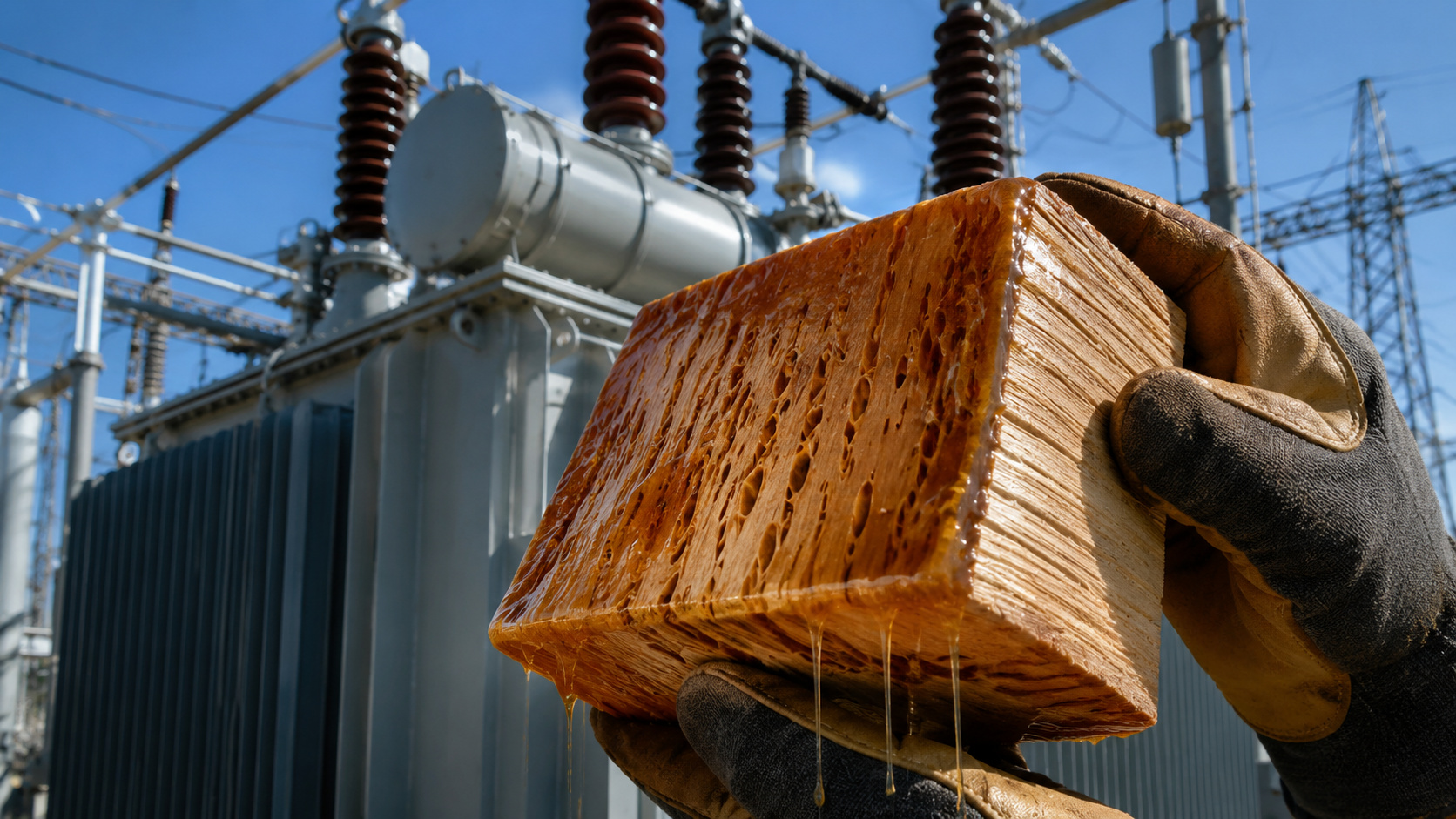
Wood has ceased to be just a construction material in Yale research and has become insulation for electrical transformers that face intense heat, aging, and increasing pressure from the renewable energy-powered grid.
-
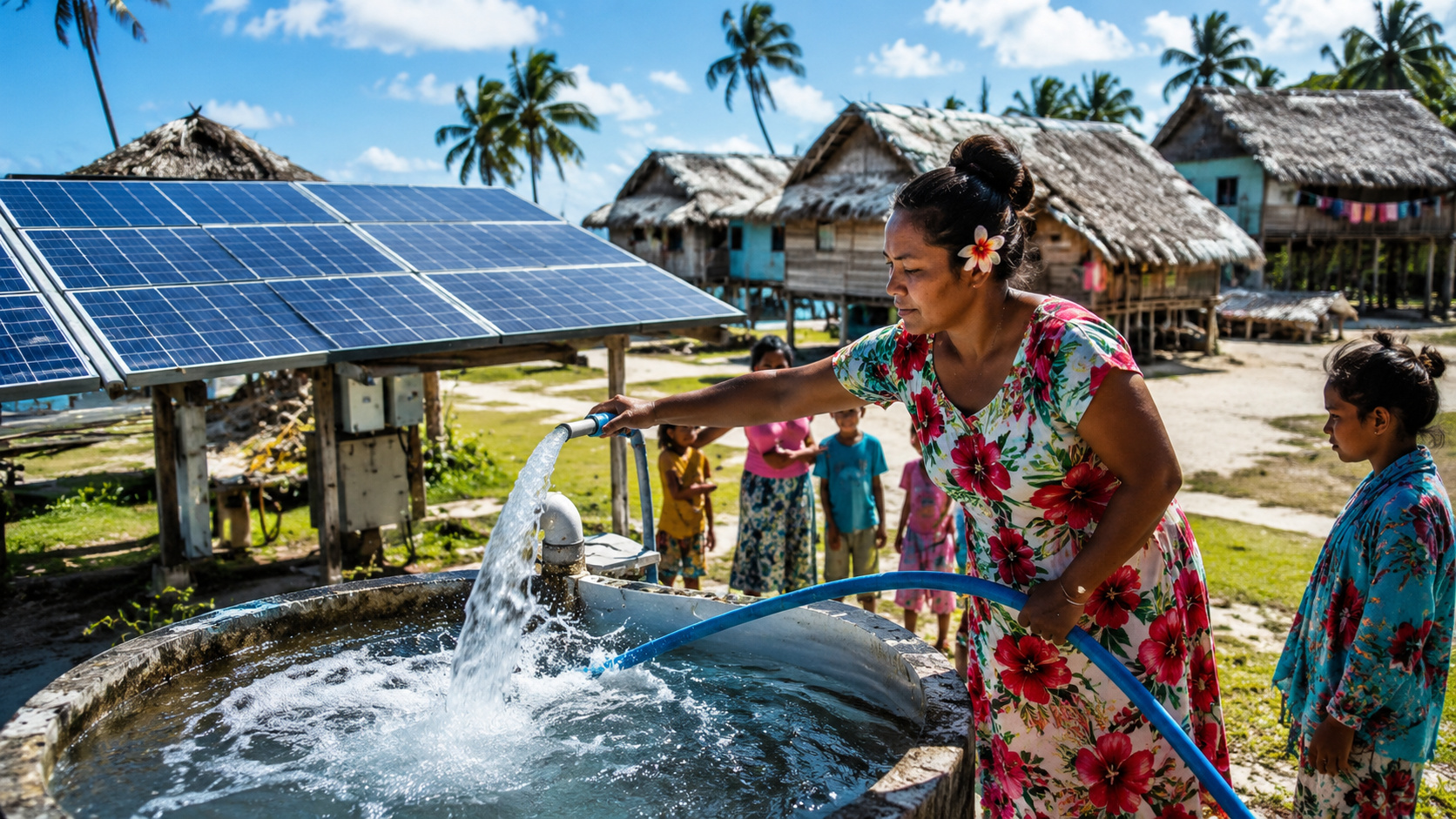
More than 1,000 residents of a remote island in Kiribati now have clean water and electricity with solar systems operated by the community itself.
-
Ceará brings together 7 giants and R$ 66 billion to transform Pecém into the largest green hydrogen hub in Brazil, with final decisions expected by the end of 2026.


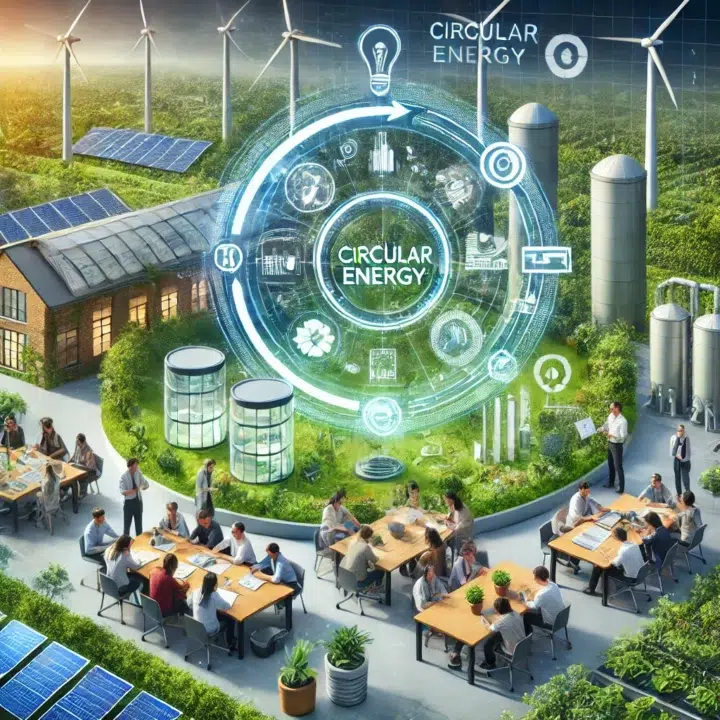
Initiative for Reuse and Circular Economy
The developed Project seeks to address these issues through the reuse of structures, transforming oil platforms into sites for the installation of wind energy towers. This not only aligns with Goal 13 but also promotes a circular economy model by reusing existing infrastructures, reducing adverse environmental impact. Paula Maçaira, a professor in the Department of Industrial Engineering, leads the Project with an innovative vision. Proposals are subjected to rigorous evaluations by a panel of experts committed to criteria of innovation, social and environmental impact, technical feasibility, and alignment with the Sustainable Development Goals (SDGs) 13. The mission includes enhancing the understanding of the complex technical, legal, economic, and sociological aspects involved, highlighting the impact within the region.
Interactive Platform and Economic Alternative
In addition, an advanced decision-making tool was created as part of the work. This interactive platform allows users to analyze and select offshore platforms based on their suitability for conversion into wind energy centers, adapting to the specific needs of each context. This innovation empowers decision-makers to optimize the use of already available infrastructures, offering a more economical and environmentally sustainable alternative to conventional decommissioning. ‘The proposed tool goes far beyond traditional methodologies for reuse of platforms’, concludes Professor Paula Maçaira.
Laboratories and Researchers Involved in the Project
In the development of this exemplary Project, laboratories such as FROG (Forecasting and Resource Optimization Group) and NIMA (Integrative Center for Environment) played fundamental roles. Researchers like Laura Bandeira de Mello (master’s student in Production Engineering), Gustavo Riedel (undergraduate in Computer Engineering), Beatriz Almeida (undergraduate in Biology), Enzo Dux (undergraduate in Production Engineering), João Victor Baião, Katsuo Homma (master’s student in Production Engineering), Maria Vitória Gomes (undergraduate in Environmental Engineering), and Pedro Kubrusly (undergraduate in Production Engineering) were essential for the Project’s success. Coordination was led by Paula Maçaira and Fernanda Baião, both from the Department of Industrial Engineering, with Ana Cristina Malheiros Gonçalves Carvalho and Lélis Antonio Carlos Júnior from the Departments of Civil and Environmental Engineering, and Biology, respectively. To watch the video of the winning Project, click on this link: https://www.youtube.com/watch?v=zA4ziJfi7tQ.
Source: © pamella.lima@approach.com.br