Portuguese
  Spanish


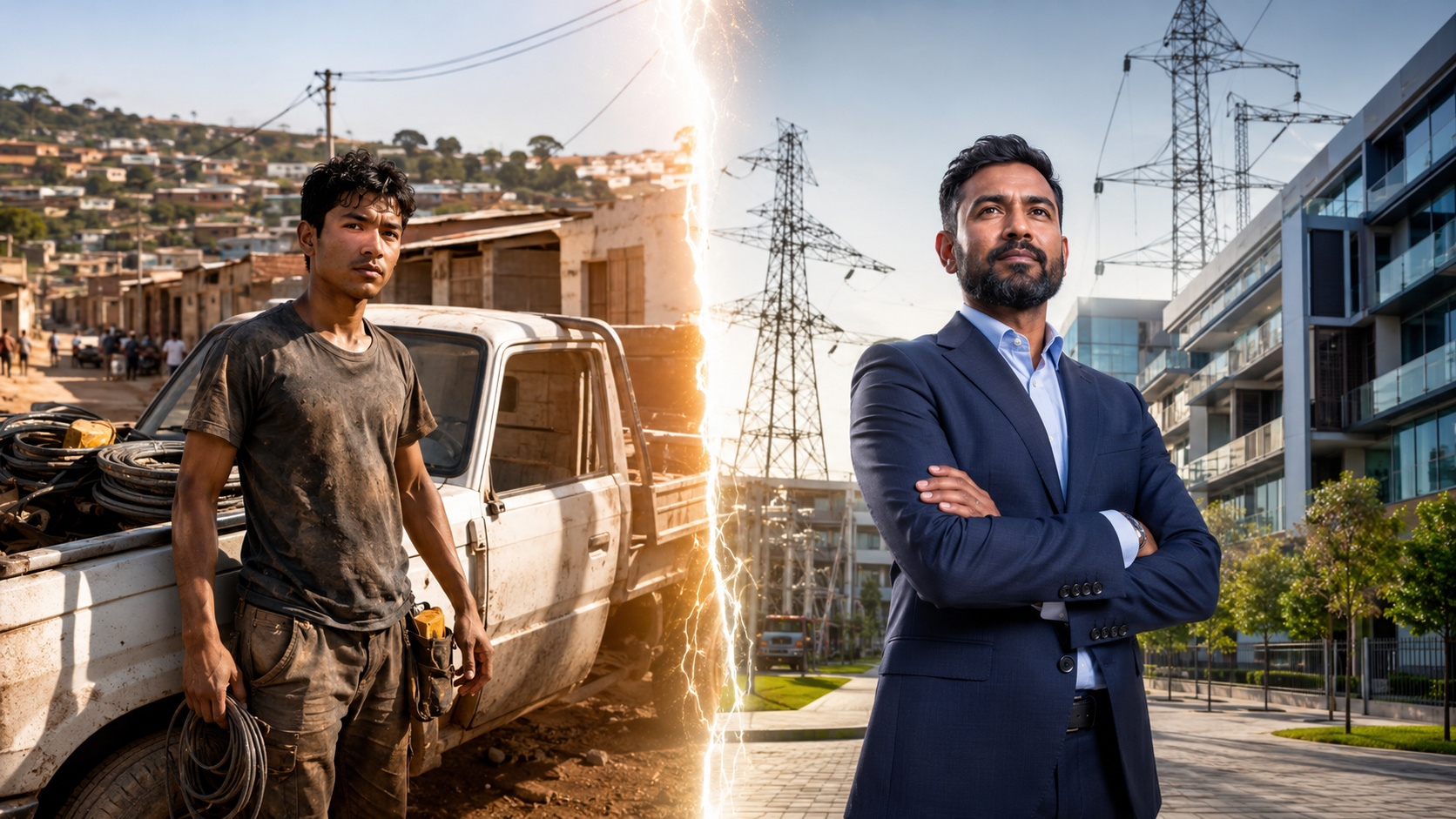

From a small electrical operation with R500, Vivian Reddy paved the way for energy, real estate, and infrastructure in South Africa. The trajectory shows how electrical services can support construction, businesses, properties, and urban growth when they go beyond just spot repairs.
Fired during apartheid and with little borrowed money, Vivian Reddy started in the electrical services sector with R500 and a borrowed truck. The origin of the business helps to understand how a technical activity can grow to connect to energy, real estate, and infrastructure.
The information was published by IOL, a South African news and information portal. The report noted that Vivian Reddy was fired during apartheid after trying to unite black and white employees at a party, opened his own business in the electrical sector, and started with R500, one employee, and a borrowed truck.
The most important point is simple: electrical services are not just repairs on wires and sockets. They are part of the foundation that allows a house to function, a company to operate, a building to be delivered, and a real estate project to come off the drawing board.
-
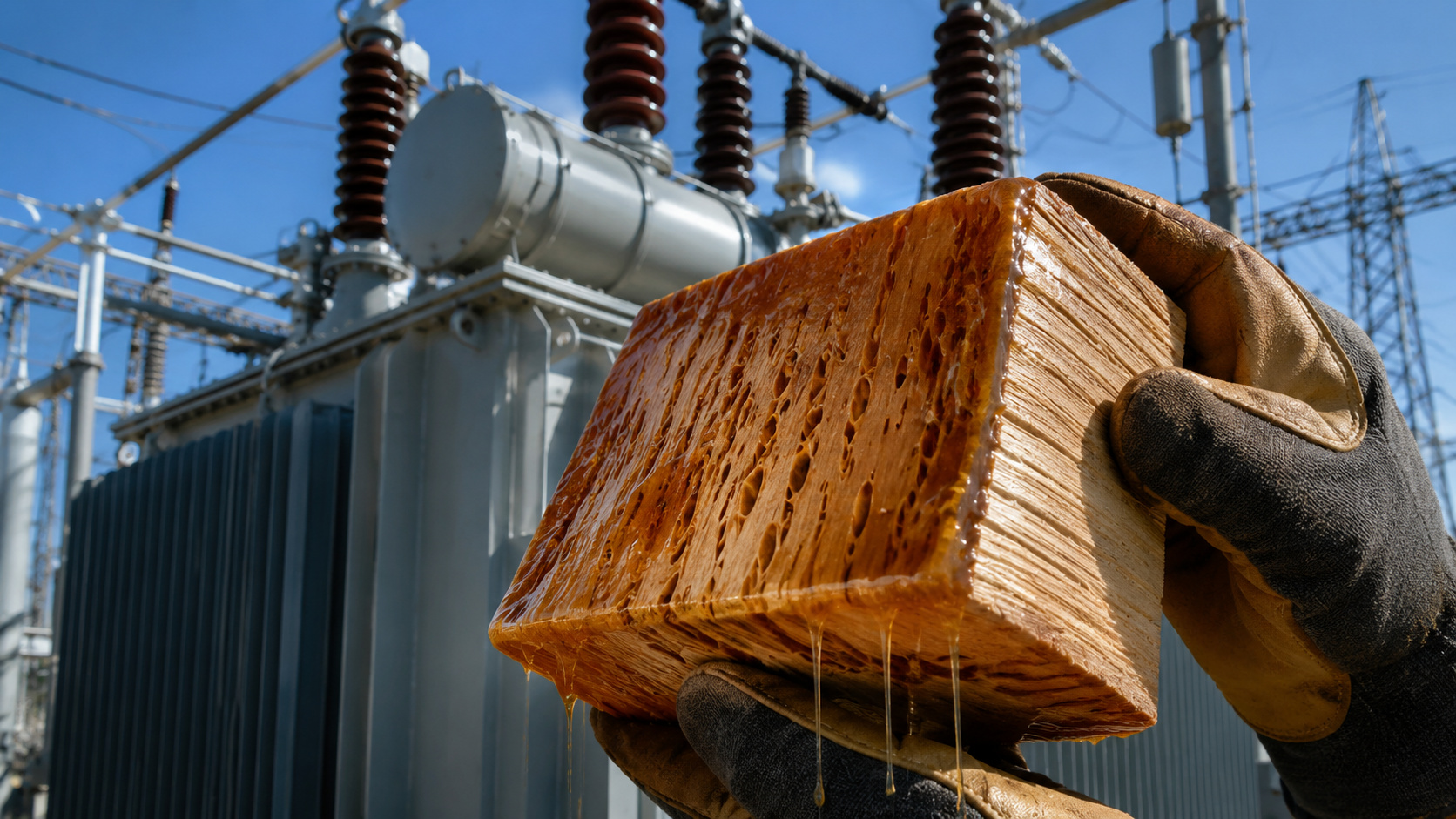
Wood has ceased to be just a construction material in Yale research and has become insulation for electrical transformers that face intense heat, aging, and increasing pressure from the renewable energy-powered grid.

-
More than 1,000 residents of a remote island in Kiribati now have clean water and electricity with solar systems operated by the community itself.
-
Ceará brings together 7 giants and R$ 66 billion to transform Pecém into the largest green hydrogen hub in Brazil, with final decisions expected by the end of 2026.

-
Scientists Convert Factory Waste Heat into Hydrogen Using Perovskite Catalyst at Significantly Lower Temperatures

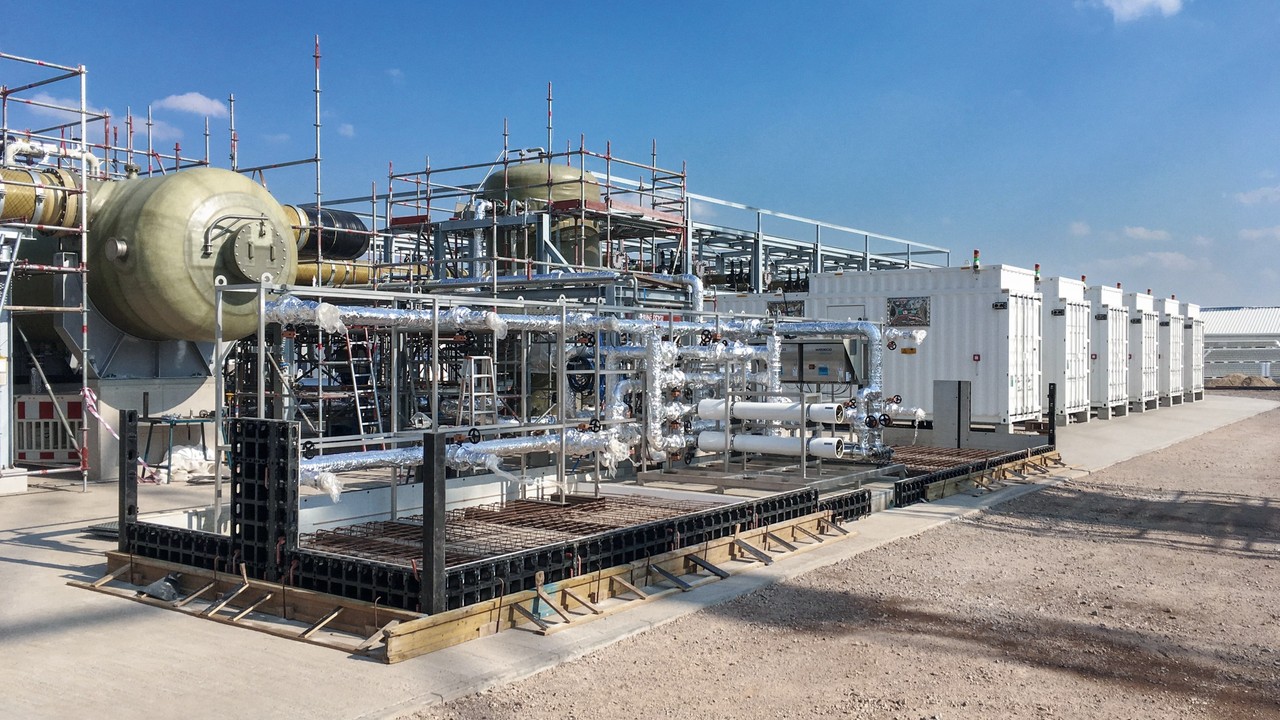

The start with R500 and a borrowed truck shows the strength of electrical service in construction and companies
Vivian Reddy started his company in 1973, with R500 and a borrowed truck. In practice, this means that the operation was born small, linked to direct work in electrical services, before growing into a larger business structure.
The activity of an electrician may seem simple to those looking from the outside. However, it is essential to install, correct, and maintain energy in homes, businesses, constructions, and companies. Without this step, equipment does not work, constructions are delayed, and businesses lose operation.
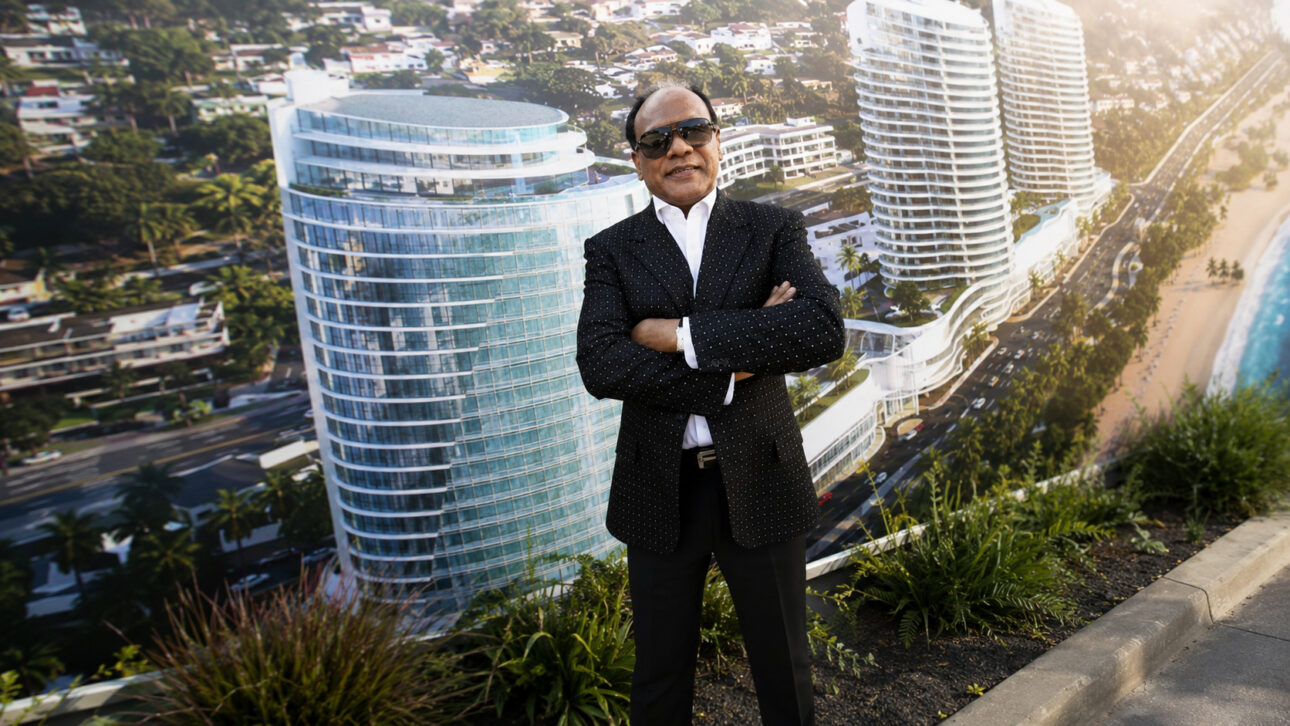
The strongest detail lies in the change of scale. What started as technical service turned into a path for the Edison Power Group, a group associated with the energy sector and other businesses. This transition shows how electricity can be a gateway to infrastructure.
Apartheid, closed market and the dispute for contracts in the energy sector
Apartheid was a system of racial segregation that marked South Africa. In this environment, companies controlled by non-white people faced barriers to grow, compete for contracts, and access larger clients.
This context helps explain why starting in the electric sector had more weight than just opening a company. The challenge involved technical work, competition, and a market with closed doors for many entrepreneurs.
Electricity was a real necessity in construction and companies. Even so, securing contracts depended on trust, reputation in the market, and access to opportunities. Therefore, the business trajectory also reveals how infrastructure and economic inequality intersected during that period.
From Reddy’s Electrical to Edison Power, the company moved from a small operation to gaining presence in the electrical sector
Global Indian, a digital publication about the Indian diaspora, reported that Vivian Reddy started Reddy’s Electrical in 1973 with R500 and a borrowed pickup truck. The same publication noted that the company’s name changed to Edison Power, in a market where companies controlled by non-white people faced barriers to securing contracts.
The company’s name is not just a detail. In sectors like energy, construction, and infrastructure, the business image can weigh heavily when competing for services, securing contracts, and serving larger clients.
With growth, the business moved beyond small electrical services. The company began to connect to a broader chain, involving energy, construction, real estate, and the functioning of cities.
Energy and real estate connect because no building functions without electrical infrastructure
The connection between energy and real estate is direct. A building, a store, a factory, or a commercial enterprise needs electricity for lighting, machinery, elevators, security systems, refrigeration, and daily operation.
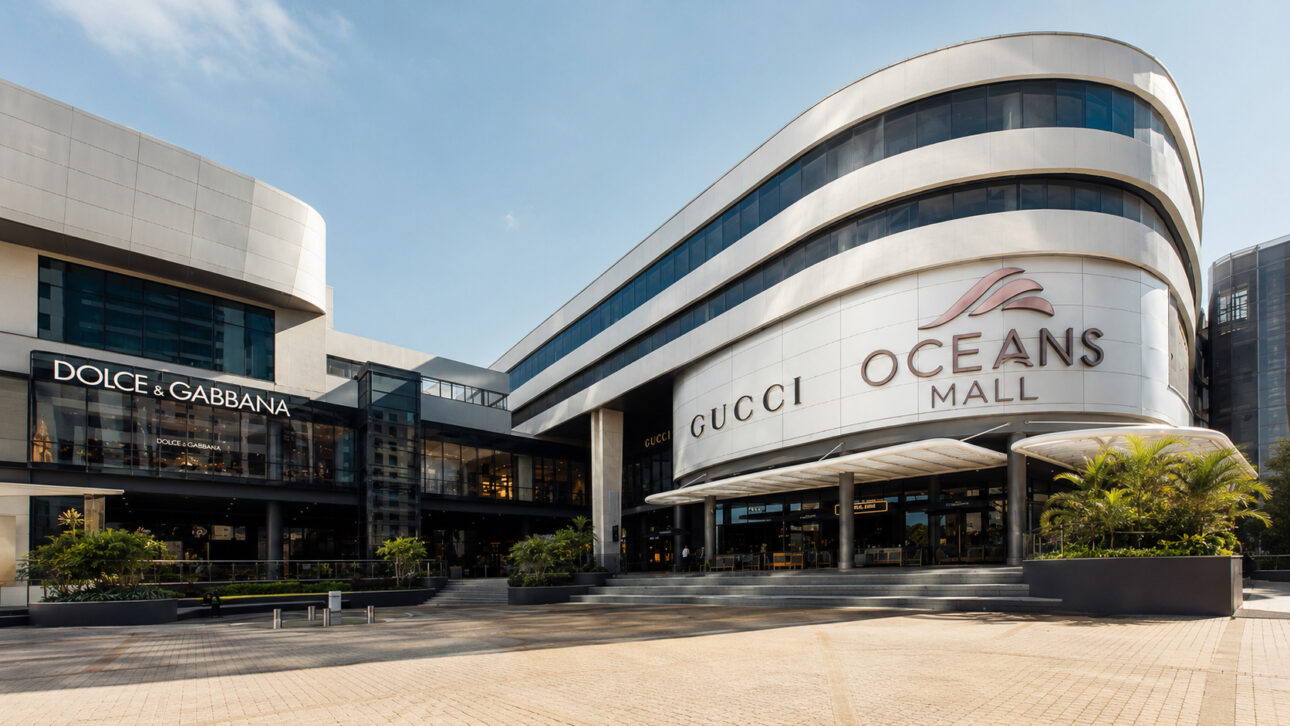
Therefore, Vivian Reddy’s advancement into businesses related to energy, properties, and infrastructure does not appear as an unrelated change. The electric sector is at the center of any urban project that depends on continuous construction and use.
In the real estate market, it’s not enough to just build walls. It’s necessary to deliver a structure capable of functioning. The electrical network, maintenance, and the ability to meet larger demands are part of the value of any development.
The case shows how technical services can become a foundation for larger businesses
Vivian Reddy’s story does not need to be read as an easy promise of wealth. The relevant point is in the business path: a technical activity, when organized, can meet larger demands and approach strategic sectors.
Electrical services are part of a production chain. They serve constructions, companies, properties, and urban areas. When this work gains scale, it can transform into an infrastructure business.
In the case of South Africa, the advancement of the Edison Power Group shows how the energy sector can open space for other branches. Properties and infrastructure depend on the same foundation: secure supply, continuous operation, and technical capability.
For Brazil, the economic lesson lies in valuing electricity as the foundation of construction
In Brazil, the same reasoning appears in any city. A residential construction, a commercial center, an industry, or a logistics warehouse need energy to come off the paper and function after delivery.
This makes electrical work an essential part of the real economy. The electrician in the field, the maintenance company, the installer, and the energy manager are part of a larger mechanism than many people imagine.
Vivian Reddy’s case shows how energy, construction, and properties go hand in hand. When a technical business manages to grow, it can move from local service to projects with broader economic impact.
The central fact remains strong: an electrician laid off during apartheid started with R500 and a borrowed truck, until forming an operation linked to energy, properties, and infrastructure in South Africa.
More than a personal story, the case reveals the weight of electrical services in the economy. After all, without energy, there is no building operating, company producing, or city growing safely.
Do you believe that technical professions, such as electrical and maintenance, still receive less recognition than they deserve, even while supporting constructions, companies, and entire cities? Share your opinion or send this article to someone who works in this sector.