






 Portuguese
  Spanish


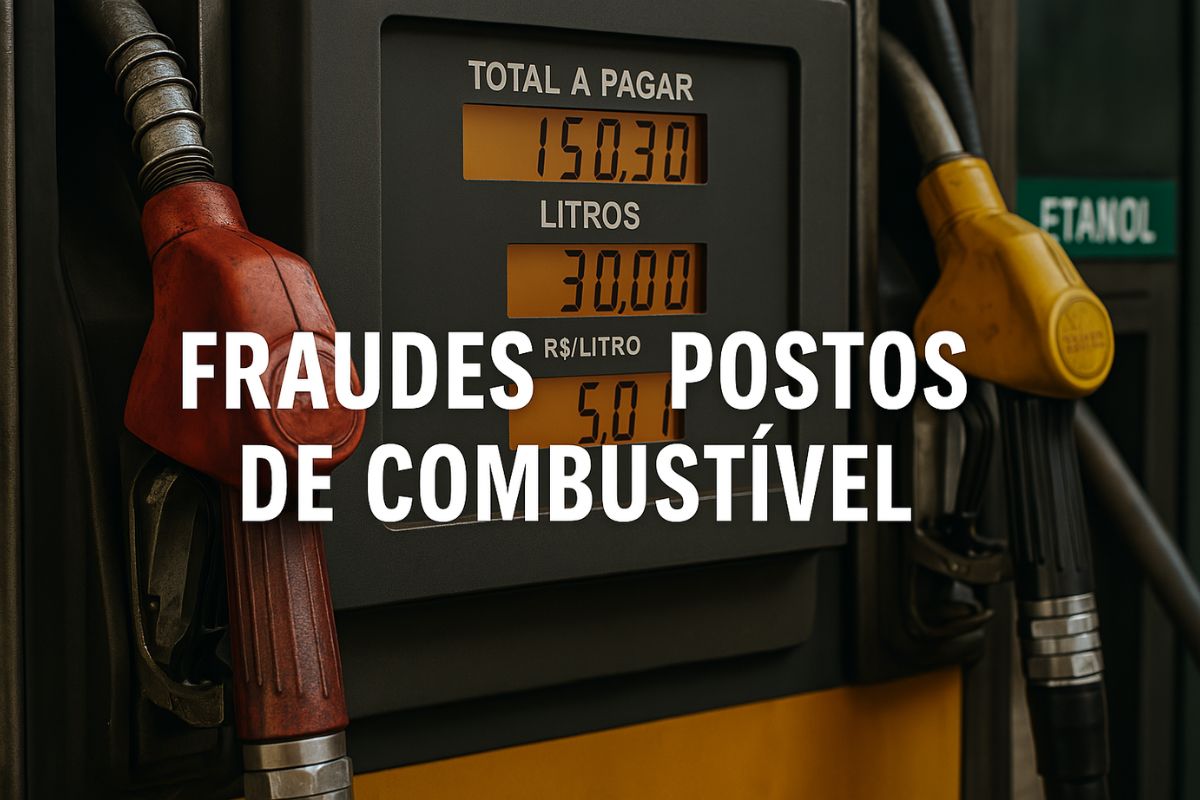
New Regulation Requires Immediate Replacement of Adulterated Pumps at Fuel Stations. “Dry Pump” Practice Will Be Combated with Cryptography and More Technical Inspection. Goal is to Modernize the Whole System by 2029.
The era of trickery at the pump is numbered. Inmetro announced new measures to combat fraud at fuel stations, focusing entirely on the immediate replacement of adulterated pumps — no room for excuses or long deadlines. The new rule was published in Ordinance No. 170/2025, which amends the previous one from 2022, and is already in effect.
The infamous practice of the “dry pump,” where the customer pays for a quantity that does not reach the tank, has become a priority on the Institute’s radar. And the alert is clear: if fraud is detected, the pump is removed immediately — and the fine can hurt the wallet.
How Frauds at Fuel Stations Work and Why They Are Difficult to Detect?
The scam at fuel stations, which is already well-known to consumers, has gained a high-tech version. Instead of mechanical tricks, the frauds now use hidden chips in the electronic boards of the pumps, allowing operators to remotely choose how much fuel will be released — regardless of what the display shows to the driver.
-
Controversial 6-day Workweek Elimination in Brazil Faces Economic Criticism Over Productivity Claims

-
Itaú to Refund Customers After 14 Years of Unauthorized Credit Card Charges; Agreement Includes No Interest or Adjustments, Deadline by 2028, with Potential Impact of Up to $6.5 Billion

-
Brazilian Company Grows from Bartering Soap for Food to Producing 30 Million Units Monthly, Challenges Global Giants with $100 Million Revenue and Expands into Premium Cosmetics
-
Petrobras and Engeko’s New Investment Plan Promises Billions and Thousands of Jobs, Capturing Market Attention


The problem is that this tricked even the inspectors, who traditionally used 20-liter cans to check the flow. Now, without dismantling the equipment or conducting advanced electronic tests, it is almost impossible to catch the scheme at fuel stations.
What Does the New Regulation Change?
According to Inmetro, confirmed technical fraud requires the immediate replacement of the irregular equipment. The station must install a new pump that meets 100% of the criteria of the Metrological Technical Regulation (MTR).
Proof can come from an official technical report, ratification from Inmetro itself, or a specific standard, such as NIT-Disme-010.
And it’s no use to quickly swap it out and think everything is fine: the penalties still apply.
How Much Does It Cost to Fall for It?
Fines are proportional to the severity of the offense and can reach R$ 1.5 million. The amount takes into account recurrence, consumer harm, and the degree of adulteration. In extreme cases, the station can be immediately closed.
According to Inmetro, the rigidity is necessary to curb a system that has already become an “industry of fraud” in some regions of the country.
And the Future: Cryptographic Pump Is Coming
This regulation is just the first step. Since last year, Inmetro has established that by 2029, all fuel stations in Brazil must operate with fuel pumps featuring a cryptographic system.
This new model creates an inviolable digital signature between the meter and the electronic components, preventing external interference. In practice: either the station operates fairly, or it is out of the market.





Be the first to react!