Portuguese
  Spanish


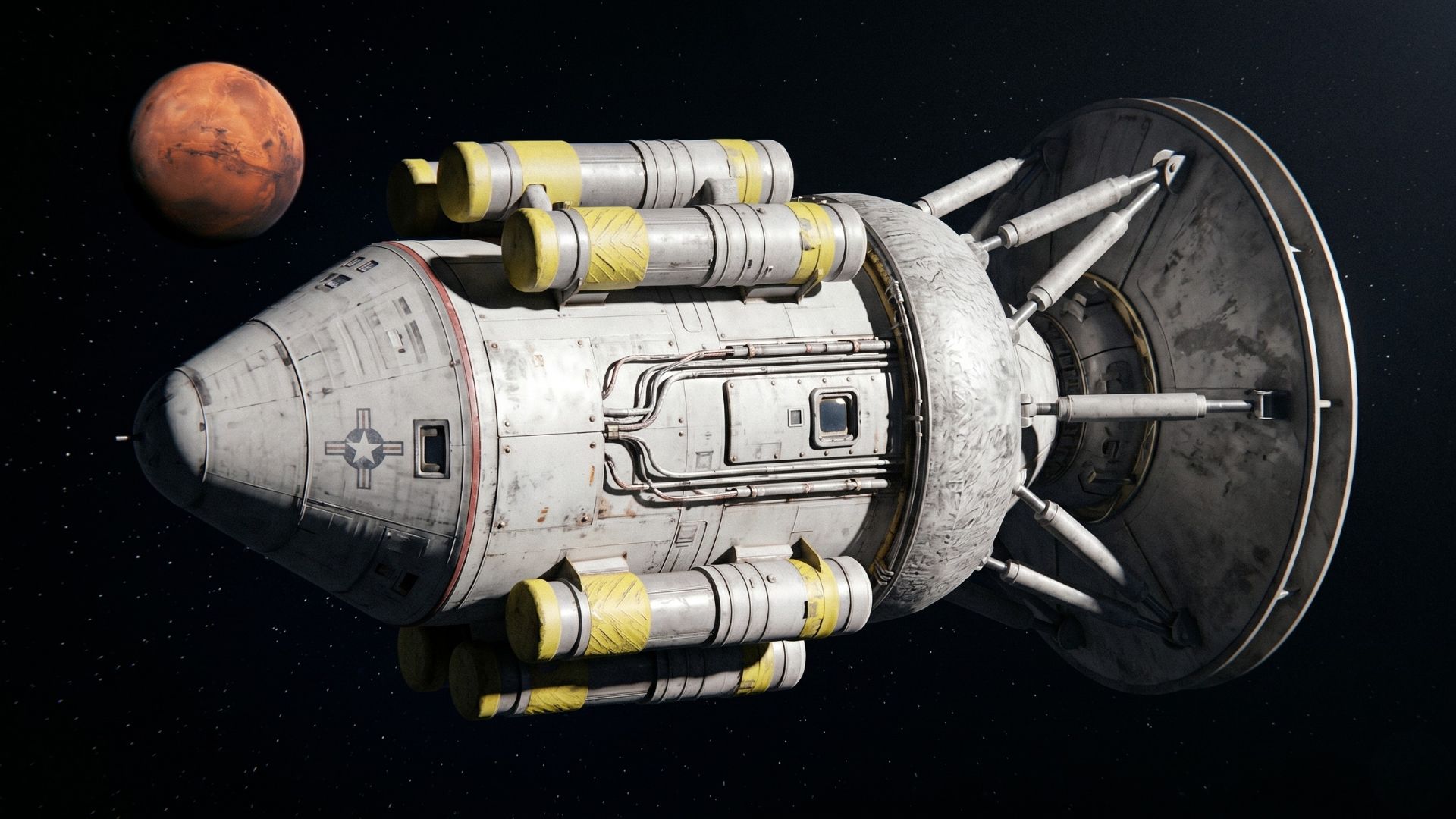

Project Orion envisioned a 4,000-ton nuclear spacecraft propelled by hundreds of atomic explosions and capable of reaching Mars much faster than current plans.
When most people imagine the space race of the 1950s and 1960s, they think of Saturn V rockets, Apollo capsules, and the first human steps on the Moon. But behind the scenes, there was a project so extreme it seemed straight out of a science fiction novel. Called Project Orion, the concept proposed building a gigantic spacecraft propelled not by conventional engines, but by a controlled sequence of nuclear explosions launched behind the spacecraft.
For a few years, scientists, military personnel, and engineers believed that this technology could make travel to Mars and the outer planets technically feasible.
General Atomics, DARPA, U.S. Air Force, and NASA bet on a spacecraft powered by nuclear explosions
Project Orion officially emerged in 1958 with funding from the then ARPA, now DARPA. The work was conducted by General Atomics and later involved the participation of the United States Air Force and NASA. The idea originated from earlier studies by physicist Stanislaw Ulam on nuclear pulse propulsion.
-
OnePlus N6 Smartphone to Launch in India with 8,000mAh Battery and 45W SuperVOOC Charging, Lasting Up to Three Days

-
Scientists Plan to Release Air Bubbles Underwater to Protect Antarctica’s “Doomsday Glacier” from Melting

-
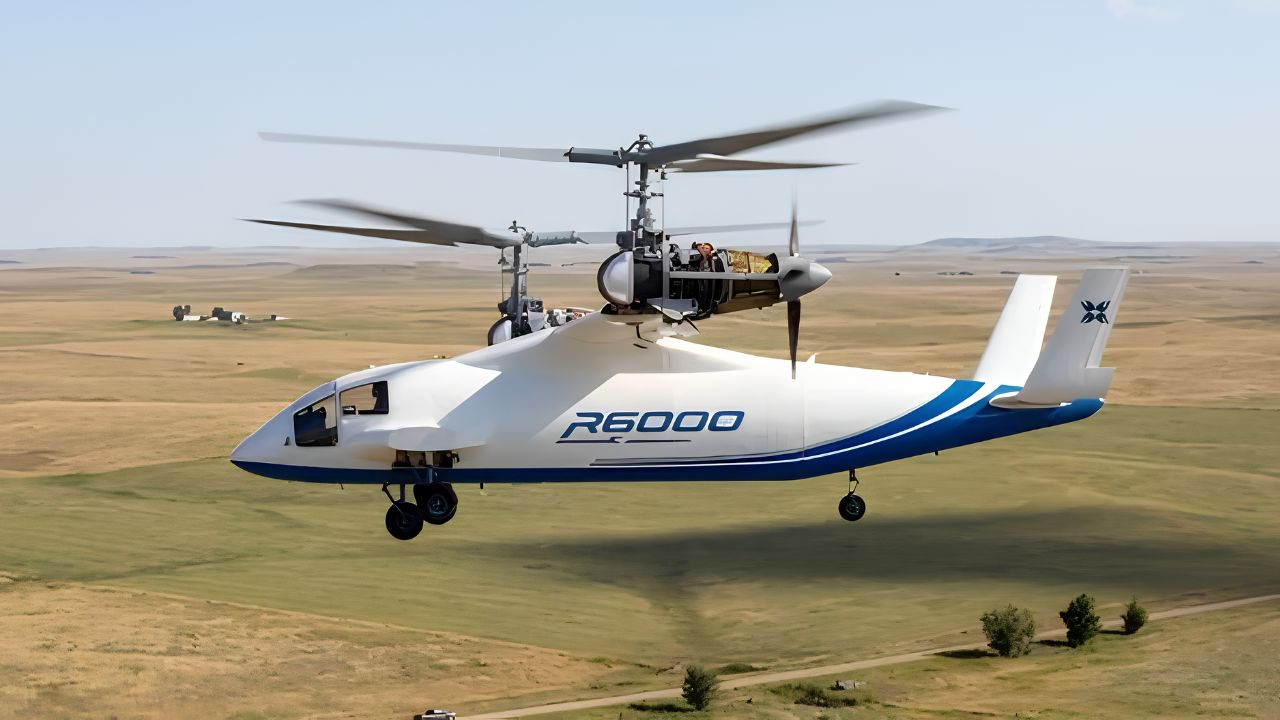
Chinese R6000 Drone Combines Airplane and Helicopter Features, Carries Up to 12 People for Multiple Missions
-
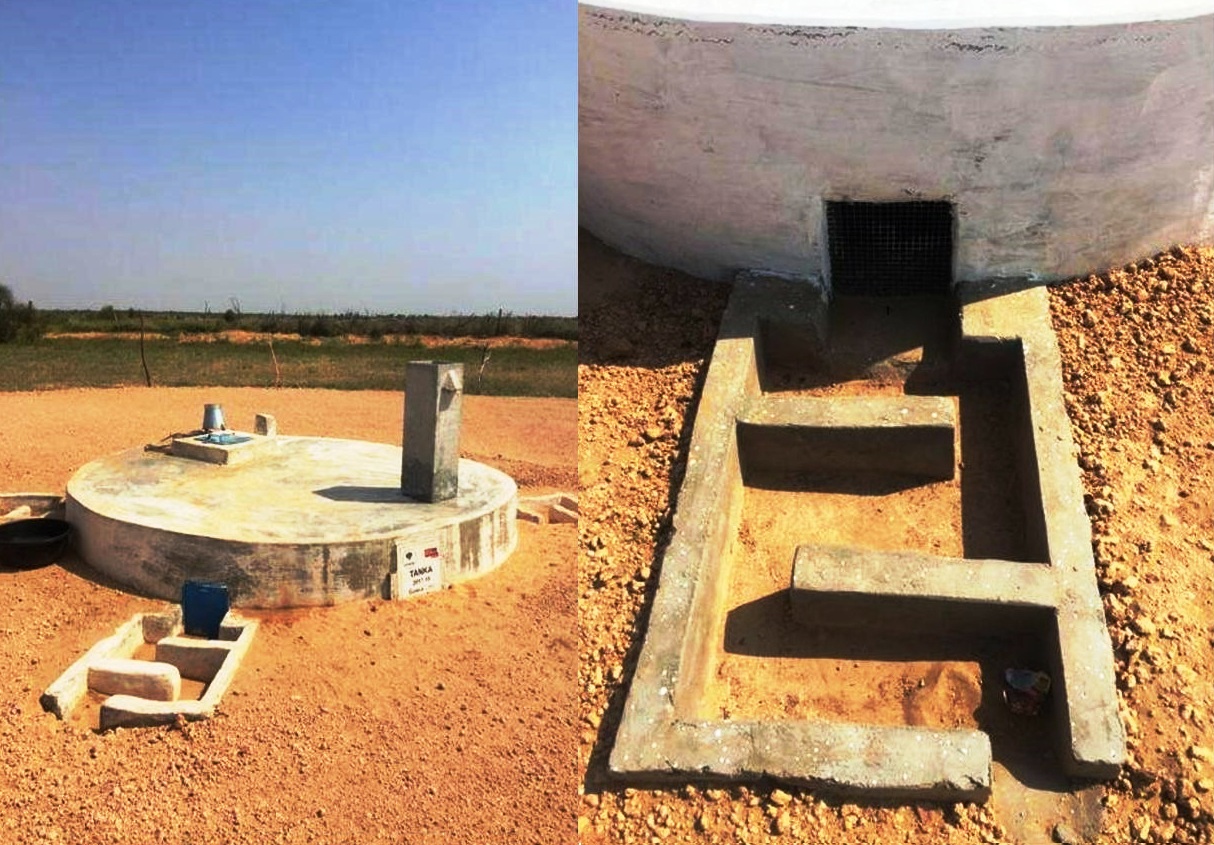
In the World’s Most Densely Populated Desert, Families Dig Funnel-Shaped Underground Cisterns to Capture Rare Rainfall and Store Drinking Water for Up to Eight Months



The main figures involved in the technical development were Ted Taylor and Freeman Dyson, considered the central figures of the program. Rocket engineer Wernher von Braun did not lead the project but became one of the concept’s advocates and published favorable analyses of using Orion for Solar System exploration.


At the time, many researchers believed that chemical rockets would have severe limitations for long-distance manned missions. Orion promised something that no known technology could simultaneously offer: enormous thrust and enormous efficiency.
The plan seemed impossible: launch hundreds of nuclear bombs behind the spacecraft and surf the shockwave
The operation of Orion was radically different from any conventional rocket. The spacecraft would carry hundreds of small nuclear charges. Each device would be ejected behind the ship and detonated at a carefully calculated distance.
The explosion would hit a gigantic metal plate located at the rear of the vehicle. A system of shock absorbers would absorb the impact and transform the energy of the explosions into continuous acceleration.
Instead of a single fuel burn, Orion would advance through hundreds of successive nuclear pulses. According to studies of the time, this would allow speeds much higher than those achieved by chemical rockets.
Researchers even conducted non-nuclear tests with scale models using conventional explosives. One of the prototypes successfully flew during experiments conducted in 1959, demonstrating that the basic principle of propulsion worked.
The Mars version would carry eight astronauts and could complete the mission in just 125 days
Among the studies produced during the program, one of the most impressive was a proposed manned mission to Mars.
Documents analyzed by NASA predicted a round trip to the red planet with only 125 days duration, carrying eight astronauts.

The estimated development cost was approximately US$ 1.5 billion, a figure considered gigantic for the time, but relatively modest given the scale of the project.
In comparison, current plans for manned missions to Mars typically involve journeys that can last many months just for the one-way trip. Orion promised to drastically reduce this time thanks to the enormous thrust generated by the nuclear explosions.
For many scientists of the time, this was the first technology that really put Mars within a plausible operational horizon.
The ship would weigh 4,000 tons and have the capacity to transport loads that no current rocket can carry
The projects evolved rapidly during the years of study. One of the most well-known configurations envisioned an interplanetary spacecraft of approximately 4,000 tons, with about 40 meters in diameter and 60 meters in height.
For comparison, the total mass would be greater than that of many modern ships and far above most spacecraft ever built.

The studies also indicated the capacity to transport hundreds or even thousands of tons of payload to Earth’s orbit, to the Moon, or to Mars. Some advanced versions even analyzed larger vehicles capable of transporting entire cities or acting as true space arks.
Freeman Dyson himself described some of these giant versions as possible candidates for future interstellar missions.
The 1963 nuclear treaty practically condemned the project to death
Despite the technical enthusiasm, the political landscape changed rapidly. In 1963, the United States, the Soviet Union, and the United Kingdom signed the Partial Nuclear Test Ban Treaty, which prohibited nuclear explosions in the atmosphere, in space, and underwater.
Since Orion relied precisely on nuclear detonations in space, the treaty struck at the heart of the program.
The agreement was not the only reason for the cancellation. The lack of an approved official mission, the risks of radioactive contamination, political concerns, and the United States’ decision to focus resources on the Apollo program also weighed in.
Even so, the treaty is often pointed out as the decisive blow that made the development of Orion unfeasible. In 1964, the project was officially terminated before any operational version could be built.
The Orion Project remains one of the most daring ideas ever conceived to explore the Solar System
More than six decades later, no spacecraft based on nuclear pulse propulsion has been built.
Even so, Orion remains one of the most ambitious projects in the history of space engineering.
While current rockets still take months to reach Mars, calculations from the 1960s suggested that a spacecraft propelled by hundreds of nuclear explosions could transport large crews, enormous cargo, and traverse the Solar System in much shorter times.
The question that continues to intrigue historians and engineers is simple: if the nuclear treaty had not been signed, would humanity have already sent astronauts to Mars decades ago using a spacecraft that resembled more of a flying city powered by atomic explosions?