





 Portuguese
  English
  Spanish
  3 min of reading


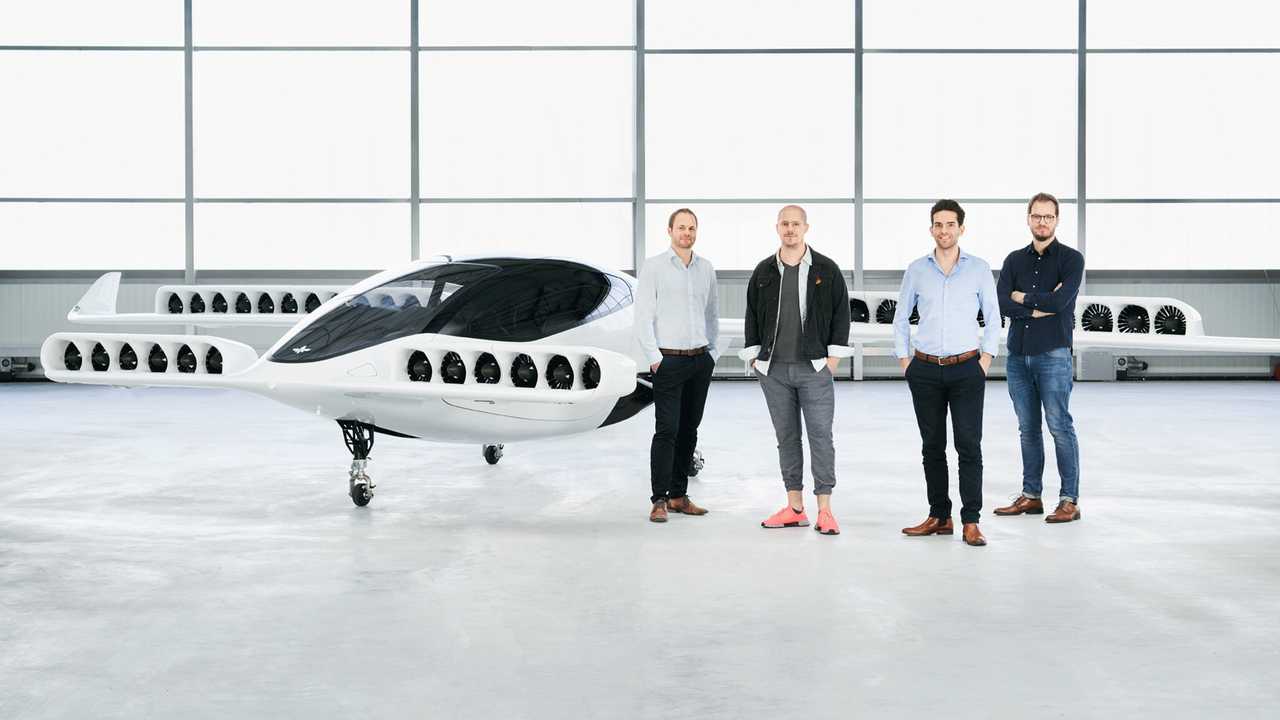
Electric Air Taxi Projects Seek Support from Public Entities
Currently, the number of electric cars on the streets has been increasing significantly. In this sense, the perspective of electric vehicles has strong importance in the global market, and thus, electric air taxis are already a reality for many countries.
In this sense, we are observing an interesting shift regarding the vehicles used in our daily lives. Previously, no one could imagine that cars would be fully electric, much less that we would be able to find flying cars. However, innovations like these are getting closer to us every day.
Thus, the German company Lilium Air Mobility has incredible plans to create more than 400 electric air taxis per year. To achieve its goal, the company is also seeking support to fund short and long-term investments, especially from those who believe in the revolution brought by electric vehicles.
-
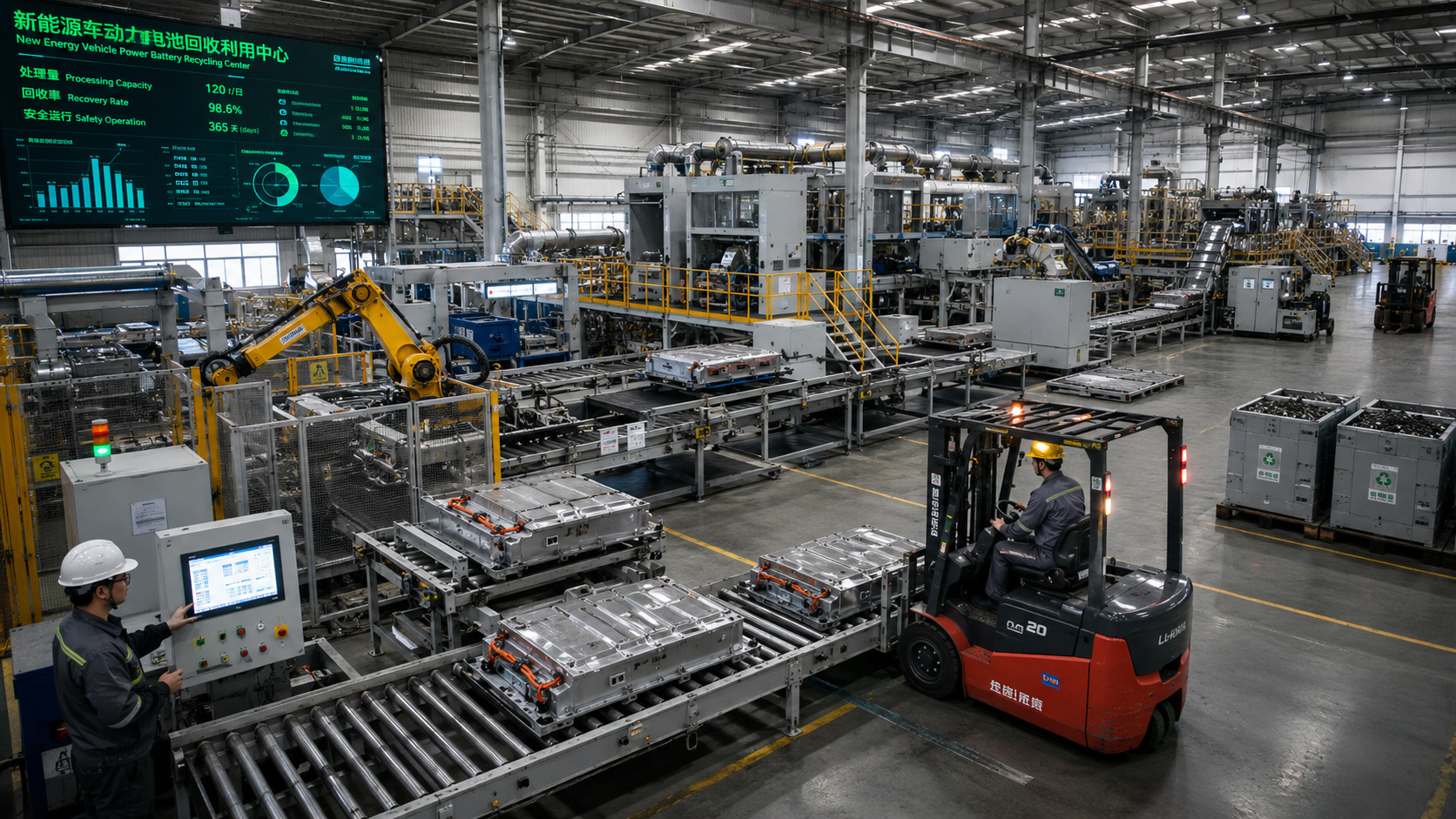
China has put millions of electric cars on the roads and now recycles up to 99.6% of used batteries, recovering lithium, nickel, and cobalt at levels that surpass Europe and the United States.

-
Chinese SUV priced at R$ 432,000 arrives in Brazil and challenges traditional models: GWM Wey 07 Dark Edition has 512 hp, over 5 meters, goes from 0 to 100 in 4.9 seconds, and aims to surpass SW4 in technology.

-
Currently best-selling cars in Brazil in June 2026: Fiat Strada leads the way, Volkswagen Polo catches up, and SUVs like T-Cross, Creta, HB20, and Tera intensify the competition in the national ranking.

-
Mitsubishi surprises the Brazilian market with cuts of up to R$ 55,000, expands bonuses for trade-ins, and pressures rivals in SUVs and pickups.



Lilium Air Mobility Aims to Create 400 Air Taxis Per Year
According to advanced information released by Reuters, the German air taxi company Lilium Air Mobility aims to establish advanced industrial capacity, where more than 400 electric air taxis of the Lilium Jet model will be produced per year. In its mission to achieve this objective, the company is focused on exploring subsidies from public and private entities that support the research and development of projects of this kind. Furthermore, the company believes that, with this innovation, it can provide quality electric air taxis that can revolutionize the small and medium-sized air market.
Lilium is engaged in the market of electric cars eVOLT, meaning that they have vertical takeoff and landing capabilities. Thus, the company’s mission is to replace road trips or short flights from aircraft and helicopters. In this sense, the move to invest in electric air taxis appears to be somewhat risky, as several factors have led to a 73% drop in the company’s stock at the beginning of this year. On the other hand, the electric car sector shows constant growth, and it is possible that this endeavor will yield good results for Lilium.
In a statement, Lilium’s CEO Klaus Roewe, who was also an executive at Airbus, pointed out that the company is working to establish a production system for 400 electric air taxis. Thus, he believes that if this effort is successful, the company may be able to develop 800 units annually, entering the larger electric market. Currently, the German company has not revealed many details about the costs involved in the air taxi project, but we know that the rechargeable lithium batteries produced by Lilium already met the needs and requirements to ensure performance for these vehicles. Finally, with the continuous growth of the electric sector, it is likely that Lilium will quickly secure the necessary funds to invest in this venture. In fact, some studies suggest that companies in fuels and electric parts are expected to increase their revenue by up to 40% by the end of this decade, especially by fostering actions like those developed by Lilium.





Be the first to react!