






 Portuguese
  Spanish
  3 min of reading
  0 comments


Invention from US University Recycles Used Tires and Turns Them into Useful Materials. Solution May Help Combat One of the Biggest Global Environmental Challenges
The improper disposal of rubber is a serious environmental issue. Discarded tires, for example, when ending up in landfills, release toxic substances into the soil and water. And if burned, pollute the air. Therefore, finding effective recycling methods is urgent.
In the United States, scientists from the University of North Carolina at Chapel Hill have created a new method to transform discarded tires into useful materials. The technique was developed by a team led by Dr. Aleksandr Zhukhovitskiy.
A Solution for Discarded Tires: Two-Step Process
The new process works in two steps. First, the researchers perform CH amination. Then, they apply a strategy called polymer rearrangement. This method breaks the complex structure of rubber and transforms it into soluble, functional, and amine-rich materials.
-
Goodbye to the microwave: the appliance present in 96% of Brazilian kitchens is starting to lose space to a single device capable of heating, baking, broiling, and preparing recipes like a microwave, electric oven, and air fryer, occupying practically the same spot on the counter.

-
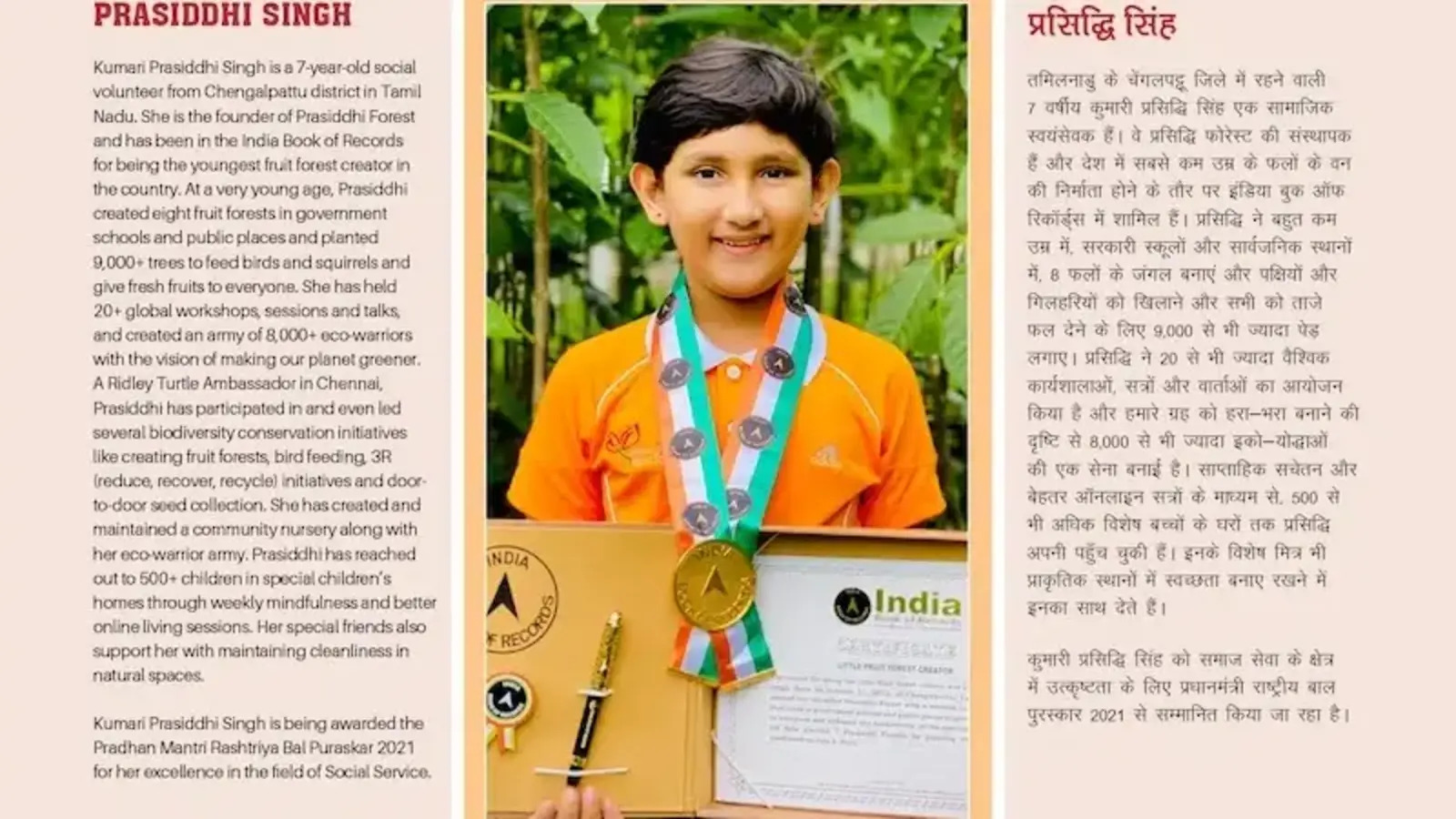
13-year-old Indian girl impresses the world by leading the planting of 200,000 trees in over 120 locations and gaining international recognition while still in childhood.

-
Coral reefs gain new hope after scientists identify 165,000 km² with potential to resist heat in 71 countries, serve as living recovery banks, and protect food, jobs, and coastlines of nearly 1 billion people under climate threat.

-
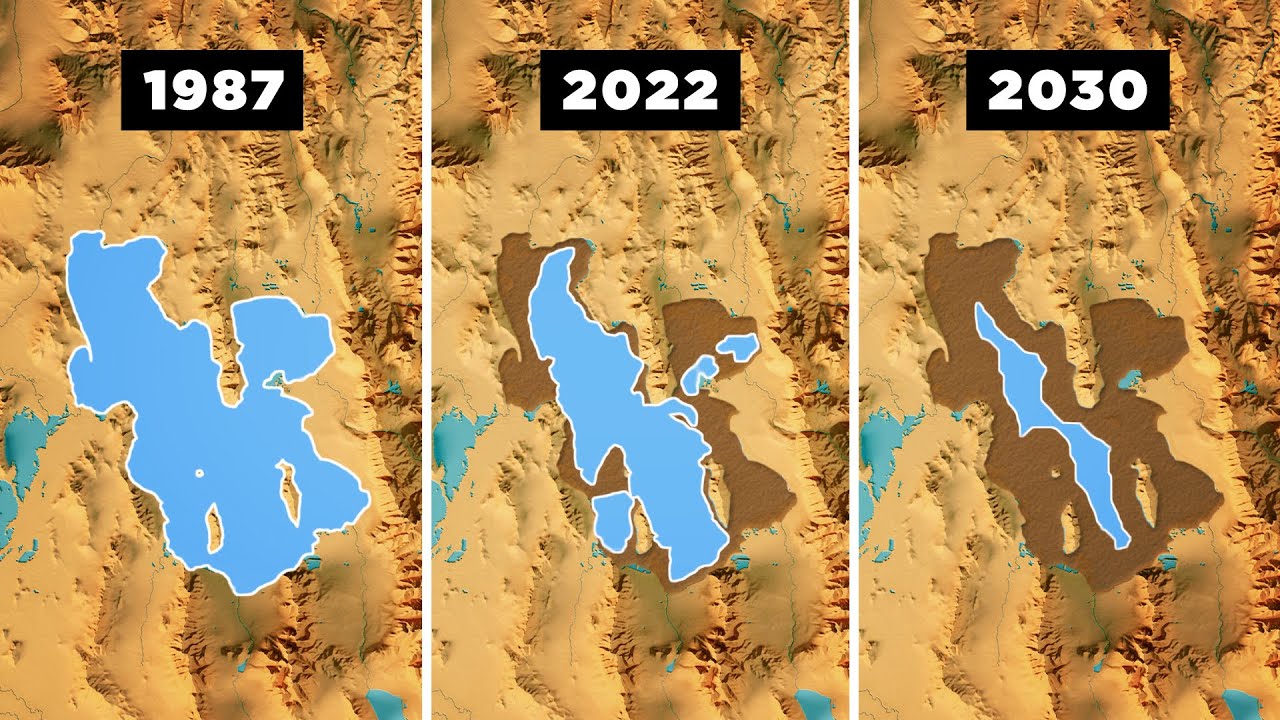
An American giant could disappear in five years: Utah’s Great Salt Lake has already shrunk by two-thirds, exposing a bed full of arsenic, and scientists are calling its collapse an “environmental nuclear bomb” about to explode over a city of more than a million people.


One of the main benefits is the temperature. The process occurs between 35 and 50°C, which is much lower than traditional methods. Common techniques usually require very high temperatures or expensive catalysts. Additionally, they can weaken the recycled material or generate low-value byproducts.
According to the researchers, this new method is more environmentally friendly and also cheaper. The proposal is to offer a viable alternative to reduce the impacts of rubber (discarded tires) on the environment.
Alternative to Traditional Methods
Currently, rubber recycling methods do not fully solve the problem. One example is pyrolysis, which breaks rubber down using heat. It can release harmful substances, such as benzene and dioxins. This poses risks to both the environment and health.
The new method developed by Zhukhovitskiy’s team aims to overcome these challenges. He claims it is possible to completely decompose used tires in just six hours. The result is functional materials that can be repurposed.
Use in Epoxy Resins
The materials obtained from the new process can be used in the production of epoxy resins. This type of resin is common in adhesives, coatings, and composite materials. According to the researchers, the resins made from recycled material are as strong as those already on the market.
Furthermore, the team assessed the environmental impact of the recycling process for used tire rubber, using an indicator called factor E. The study indicated that the technique is efficient and reduces the need for landfills.
According to Sydney Towell, a co-author of the research, the combination of CH amination and skeletal rearrangement represents a new pathway to transform rubber waste into high-value products. She also stated that the group intends to further improve the sustainability of the process by exploring more eco-friendly solvents.
“By harnessing the power of CH amination and skeletal rearrangement, this method opens a new avenue for transforming post-consumer rubber into high-value materials, thereby reducing the need for landfills and minimizing environmental damage “, says Sydney Towell.
The research represents a practical solution to the problem of used tire rubber waste and its environmental impacts. More information is available on the UNC website.
With information from Neo Zone.








Be the first to react!