






 Portuguese
  Spanish


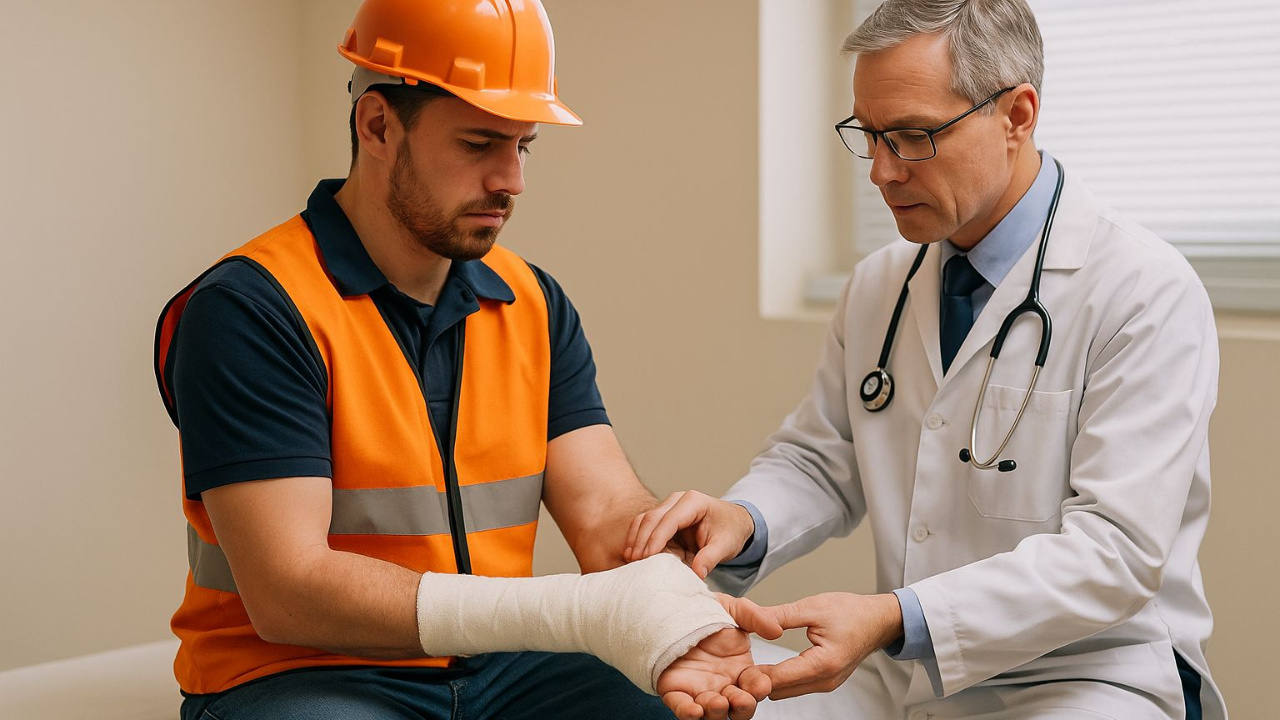


Learn How the INSS Grants Accident Aid to Workers with Permanent Sequelae and Find Out Which Injuries Entitle You to the Benefit, Even Outside the Work Environment.
Every year, thousands of Brazilian workers suffer accidents that leave permanent sequelae. What many still do not know is that this type of situation can entitle them to accident aid, a benefit granted by the INSS.
The payment is guaranteed by law and has a compensatory character, being intended for those whose work capacity has been permanently reduced, even if they continue to work.
Contrary to popular belief, the benefit is not restricted to accidents that occur during working hours or in the professional environment. Domestic accidents, traffic accidents, or even leisure accidents can also generate this right, as long as the injury compromises work capacity.
-
Brazil’s 2026 Tax Refund: Record 9.58 Million Filers in Largest Payout Ever, But a Key Detail on Priority Recipients Draws Nationwide Attention

-
Itaú Alters Hybrid Work Model, Increasing Office Days from 2028, Prompting Employees to Adjust to New Routine
-
Facing Labor Shortage, Japan Plans to Invest $34 Million to Attract Foreign Workers in Construction, Healthcare, Industry, and Commerce

-
Brazilian City Makes Remarkable Leap, Becomes 4th Wealthiest in the Country with GDP of R$ 134.1 Billion



Who is Entitled to Accident Aid?
Accident aid is aimed at workers who had a formal employment contract and active contributions to the INSS at the time of the accident.
This includes professionals in industry, commerce, construction, transportation, agriculture, and other fields that require constant physical effort.
Even if the professional has returned to work, if the sequela reduces their full capacity to perform their duties as before, the benefit can be requested.
This payment is made until retirement and does not replace the salary; that is, the worker continues to receive their salary normally.
The value of the aid serves as compensation for the permanent limitation.
7 Types of Sequelae Recognized to Receive Accident Aid from the INSS
Some injuries are more common and frequently accepted by the INSS as justification for granting accident aid. Check out the seven types of sequelae that can guarantee the benefit:
Partial Amputation of Limbs
Loss of part of a finger, hand, foot, or other limb can affect mobility or the precision of movements. Even if the worker returns to their activities, there is evident functional reduction.
Spine, Hip, or Femur Fracture
These fractures, in many cases, leave significant sequelae, such as chronic pain, reduced mobility, and limitations for daily activities.
Knee or Tibia Fracture
These compromise locomotion and can directly affect performance in functions that require continuous physical effort, such as climbing stairs, walking long distances, or lifting weights.
Ankle or Foot Fracture
Even after treatment and rehabilitation, it is common for pain or limitations in movement to remain, making work routines difficult.
Elbow or Shoulder Fracture
These injuries interfere with the range of motion of the arms, affecting strength, precision, and the ability to perform manual tasks.
Arm Fracture (Radius and Ulna/Humerus)
These can lead to loss of strength, persistent pain, and limitations in fine movements, directly impacting performance in operational or technical functions.
Total Rupture of Nerve or Tendon
These injuries, even when subjected to surgery, often leave irreversible sequelae, such as loss of strength or sensitivity. It is a type of condition commonly recognized by the INSS.
Specialists Warn About the Lack of Information
Many workers simply do not know that they have this right. According to specialist Ana Sakata from DS Beline advisory, misinformation remains the biggest obstacle.
“It is very common for workers who have suffered accidents, including outside of the work environment, to live with permanent sequelae and not even know they are entitled to this benefit. Misinformation is the main barrier, and our role is to guide, gather the right documents, and ensure that the right is respected,” she says.
She emphasizes that the waiting time can financially harm the worker.
Therefore, as soon as medical rehabilitation indicates some type of permanent limitation, it is already advisable to seek guidance and start the application process.
How to Apply for Accident Aid?
The first step is to gather detailed medical documentation, including reports, exams, records, and treatment history.
These documents must prove that the injury left a permanent sequela that compromises, even partially, the capacity to work.
With the material in hand, the request can be made directly to the INSS, via the Meu INSS app or website.
However, many professionals choose to seek assistance from a specialized advisory to avoid denials due to technical flaws or incomplete documentation.
It is important to understand that there is no requirement for leave by the INSS for the granting of accident aid.
That is, even if the worker did not receive sick pay or another benefit at the time of the accident, they may still be entitled to accident aid if there is proof of permanent sequela.
Ana Sakata reinforces that the benefit is compensatory and does not replace the worker’s salary.
Even those who suffered an accident outside the work environment, such as domestic, transportation, or leisure accidents, may have the right, as long as the sequela compromises work capacity.
With information from the Terra website.








