






 Portuguese
  Spanish
  4 min of reading
  0 comments


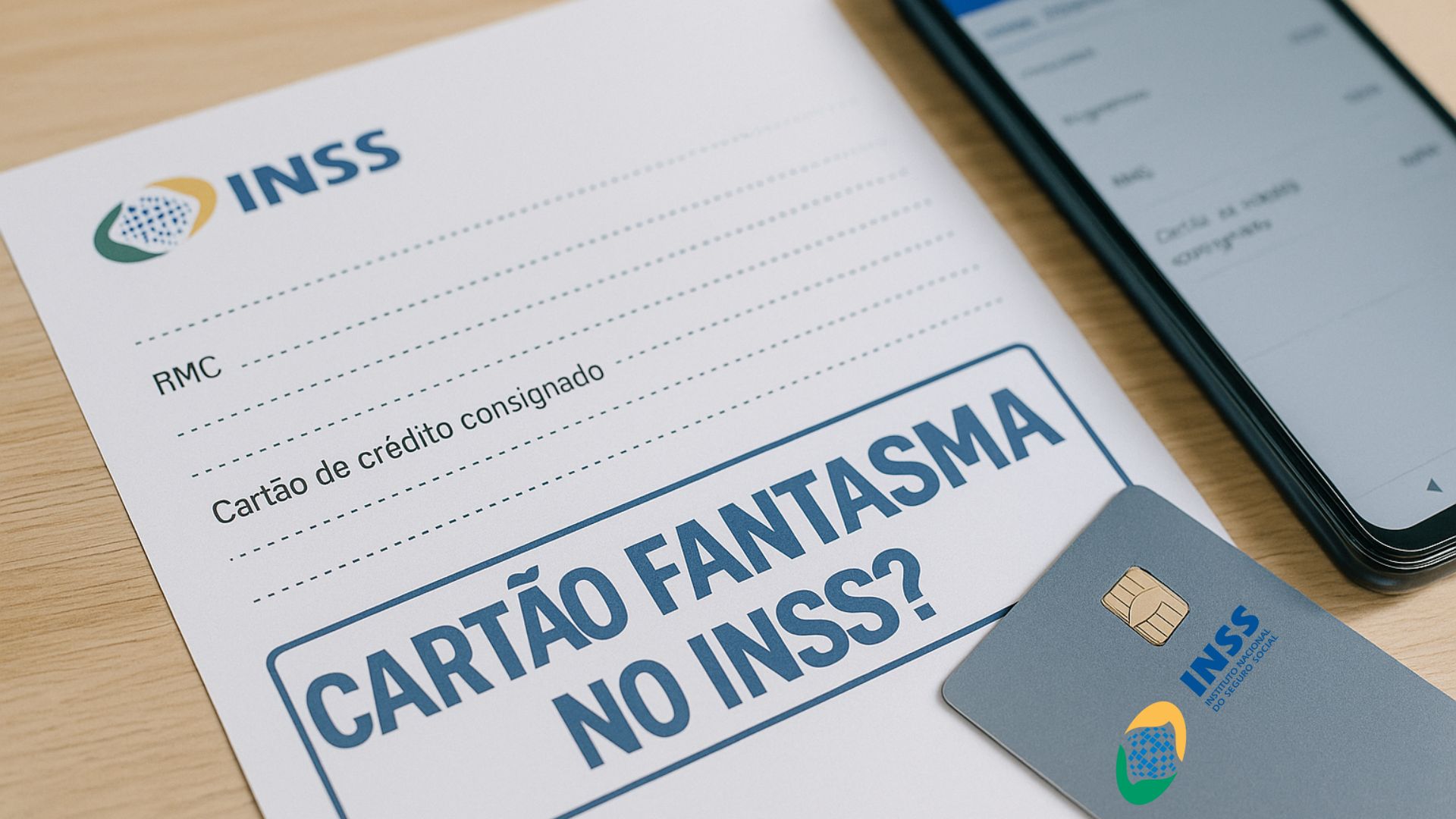
Automatic Deductions from INSS Benefits May Hide Unrecognized Payroll Loan Contracts. See How to Identify Signs in Statements, Understand the Criteria Defined by the STJ, and Know What Official Measures Are Available.
The Judiciary has recognized the double refund of amounts deducted from INSS benefits in payroll credit card operations linked to the Consigned Margin Reserve (RMC).
This understanding was consolidated on March 30, 2021, when the Special Court of the Superior Court of Justice ruled that evidence of bad faith by the financial institution is not necessary to apply the sole paragraph of Article 42 of the Consumer Defense Code, it is sufficient to demonstrate a charge contrary to objective good faith.
STJ Understanding on Double Refund
The decision has started to guide processes involving unauthorized or insufficiently explained discounts.
-
Dismissing a retired worker or one eligible for retirement constitutes ageism and creates a duty to compensate: a unanimous decision by the TRT mandates reinstatement to employment, payment of back wages, and upholds compensation of R$ 15,000 for discrimination.

-
Work less and produce more? Nobel Prize in Economics explains why shorter workdays can increase productivity

-
Unions are growing again in Brazil after more than a decade, but they face an urgent challenge to win back digital workers and maintain relevance.
-
From the typewriter to the home office: how work has changed and why new generations think differently



Since then, charges after March 30, 2021, when the conduct defies objective good faith, have led to double refunds.
For earlier periods, the refund usually occurs simply.
Courts are also analyzing the possibility of compensation for moral damages when discounts affect benefits of a food nature.
Difference Between Payroll Credit Card and Loan
The payroll credit card does not work like a traditional loan.
In this model, the automatic deduction covers the minimum payment of the invoice, limited to 5% of the pension benefit, configuring the RMC.
If the holder does not pay the remainder, the debt continues to generate balance and interest.
This characteristic has been highlighted in financial education materials from the Central Bank and helps in identifying the nature of the contract.
Signs of “Phantom” Payroll Credit Card
Among the most frequent signs in official statements are:
- Reference to “RMC,” “Consigned Margin Reserve” or similar terms.
- The existence of a line item for minimum payment of invoice instead of loan installment.
- The description of “withdrawal” or “card withdrawal” linked to monthly entries.
- The recurring charge of the same amount without reduction of the outstanding balance.
- The presence of the name of the issuing bank in the history of consigned payments, different from the institution with which the insured believed they had contracted a personal loan.
How to Identify on Meu INSS
The check can be done on Meu INSS, available via app or website.
The Benefit Payment Statement shows entries and exits month by month and allows verification of when an active RMC has been established.
The service “Issue Consigned Loan Statement” lists the contracts that generate deductions in payroll, with information from the financial institution and amounts.
Access requires a login to the gov.br account.
INSS advises that any questions be clarified only through official channels, such as the app, website, and Central 135.
Transparency and Duty of Information
The Central Bank and consumer protection agencies emphasize that financial institutions must provide clear information about costs, limits, and operation of the payroll credit card.
When the customer seeks to receive money in account with fixed installments and amortization, entering into a payroll credit card without this explanation may lead to contractual inadequacy.
In these cases, court decisions have recognized the banks’ responsibility for unauthorized discounts or without sufficient clarification.
When the Refund is Simple or Double
In processes involving unrecognized RMC discounts, the application of the STJ understanding distinguishes the periods.
After March 30, 2021, double refund occurs when there is a violation of objective good faith.
For earlier periods, the refund is simple.
When discounts affect retirees and pensioners, judges also consider the possibility of compensation for moral damages, due to the impact on income.
Prevention with Benefit Blocking
INSS provides the service of blocking and unblocking the benefit for payroll credit operations.
With the block active, new deduction authorizations are not allowed until the holder expresses a request in the system.
This measure serves as a prevention against improper entries.
According to the government, the Meu INSS app has started to require additional security steps, such as facial biometrics, to increase the reliability of authorizations.
Measures in Case of Unauthorized Discounts
If there are signs of active RMC without authorization, the recommendation is to keep the statements, file a complaint with the bank and consumer protection channels, and if necessary, seek judicial recourse.
The documents that prove the nature of the discounts are fundamental for refund requests, based on Article 42 of the Consumer Defense Code and the STJ’s thesis on objective good faith.
Lack of Standardization in Line Items
There is no national standard on how each bank describes the RMC in statements, which can lead to variation in terminology.
In this context, the analysis should consider factors such as the percentage of 5% of the benefit, the line item of minimum payment, and the identification of the issuing bank.
With these elements, have you checked if there are any of these signs in your INSS statement?





-

1 person reacted to this.