






 Portuguese
  Spanish
  4 min of reading
  0 comments


The change in the work schedule broadens the debate on productivity, well-being, and companies’ adaptation to new generations
The job market is undergoing a profound transformation, driven by technology, the coexistence of different generations, and the growing debate about the 5×2 schedule. This model, based on five days of work and two days of rest, has gained prominence because it directly engages with a new perception of productivity, balance, and quality of life. The change reveals that many professionals no longer associate performance solely with physical presence or prolonged stay in the corporate environment. This movement also shows that companies need to understand new expectations to keep teams motivated, productive, and aligned with current challenges.
Coexistence between generations changes the routine of companies
The transformation of professional relationships did not arise in isolation and follows a trajectory that began during the Industrial Revolution, in the mid-18th century, when work began to play a central role in economic organization. Decades later, with the 4.0 Revolution, marked by artificial intelligence, automation, and digitalization, the productive logic changed again. Currently, three, four, and even five generations coexist in the same work environment, creating important exchanges but also differences in views on career, hierarchy, and stability. While older professionals value permanence, commitment, and signed contracts, younger workers seek recognition, flexibility, and professional satisfaction.
5×2 schedule exposes new vision on productivity
The discussion about the 5×2 schedule reinforces this change because it places the work schedule at the center of the debate on well-being. For a long time, building a career in a single company was seen as a sign of success and responsibility. Many veterans and “baby boomers” (a term used to describe the generation of people born between 1946 and 1964, right after the end of World War II) separated personal and professional life more rigidly, in addition to prioritizing stability and duty. Meanwhile, generations Y and Z tend to view work more dynamically, accepting company changes, new areas of activity, and less bureaucratic models. This contrast explains why the debate about five days of work and two days of rest has gained strength in a market seeking more balance.
-
Dismissing a retired worker or one eligible for retirement constitutes ageism and creates a duty to compensate: a unanimous decision by the TRT mandates reinstatement to employment, payment of back wages, and upholds compensation of R$ 15,000 for discrimination.

-
Work less and produce more? Nobel Prize in Economics explains why shorter workdays can increase productivity

-
Unions are growing again in Brazil after more than a decade, but they face an urgent challenge to win back digital workers and maintain relevance.
-
Work on holidays changes in Brazilian commerce and new rule targets supermarkets, pharmacies, retailers, and companies under mandatory collective bargaining agreement.

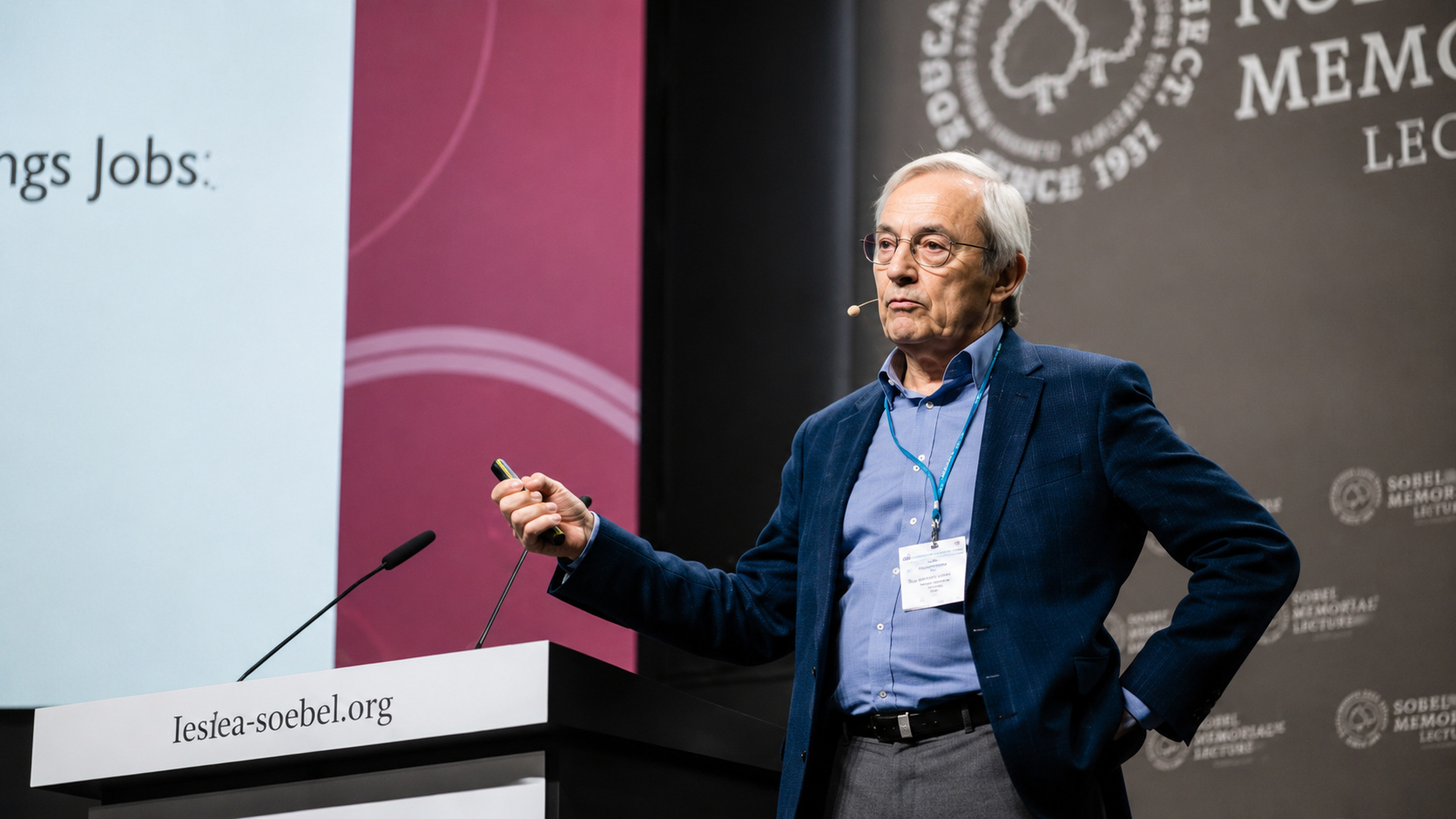


Technology accelerates new work models
The 4.0 Revolution expanded the presence of technology in companies and changed the role of human resources professionals. Digital tools, artificial intelligence, and machine learning began to assist in behavioral analyses, recruitment processes, internal communication, and strategic decisions. As a result, HR became more connected to team needs and productivity demands. At the same time, technological advancement allowed for the consolidation of remote work, home office, and on-demand formats. This shift moved the focus from physical presence to delivering results, requiring training and more digital security in companies.
Home office and freelancers enhance professional flexibility
The home office and freelance work also reflect the change in the relationship between professionals and companies. The home office maintains the employment relationship but allows for remote work, which alters the traditional control of the workday. Freelancers, on the other hand, work autonomously, by contract, and without a fixed bond, gaining freedom to set their schedules and work locations. These formats offer more flexibility but also require organization and responsibility. For companies, adapting to these trends has become essential, especially in the face of professionals who value autonomy, recognition, and a balance between personal life and career.
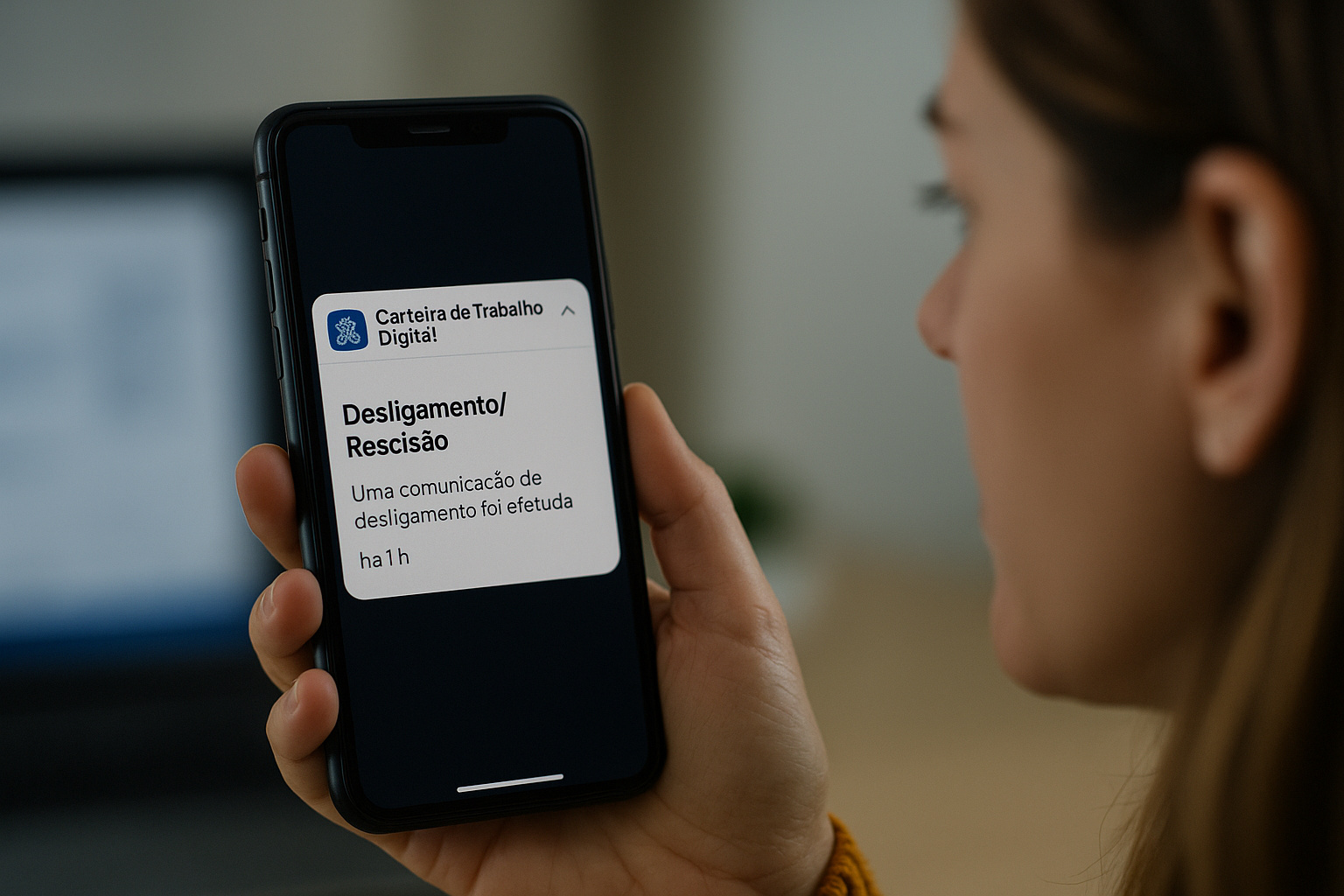
Motivation and talent retention require adaptation
Motivation has become one of the main points of difference between generations. More mature professionals tend to find motivation in the work itself and the stability built over the years. Younger workers, on the other hand, tend to value constant feedback, recognition, and clear guidance. This difference can cause friction within teams, especially when managers apply the same leadership model to very different profiles. Therefore, companies that wish to retain talent need to adapt practices, reduce unnecessary bureaucracy, and create more collaborative environments. Productivity increasingly depends on the ability to integrate diverse expectations.
The future of work depends on balance
The advancement of technologies, the flexibility of work schedules, and the debate on the 5×2 scale show that the future of work will depend on the adaptation of companies. The old vision based solely on presence, rigid hierarchy, and prolonged permanence no longer fully responds to current demands. Workers seek satisfaction, autonomy, and quality of life, while companies need to maintain productivity and competitiveness. This balance requires strategic vision, training, and openness to new formats.
Will the market be able to reconcile results, innovation, and well-being without repeating models that no longer keep up with new generations?








Be the first to react!