






 Portuguese
  Spanish
  4 min of reading
  0 comments


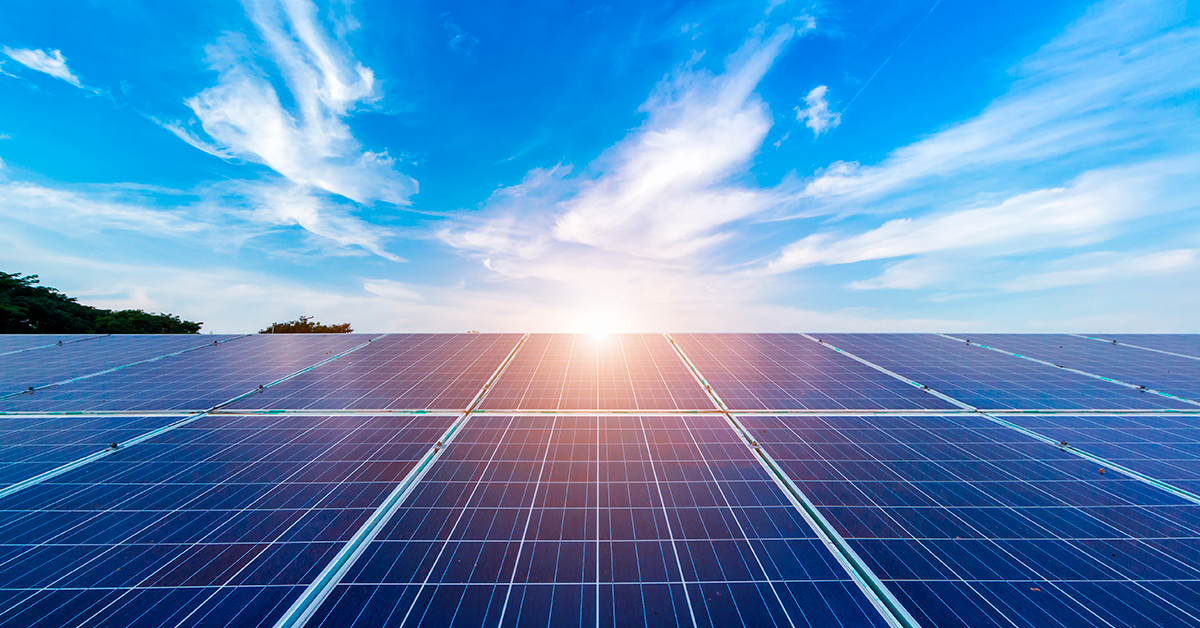
Return On Investment Time For Solar Energy Becoming Increasingly Attractive In Brazil: Find Out How Much It Costs To Install Solar Energy In 2025 And The Main Types Of Systems
Solar energy has become one of the best options to reduce electricity costs and contribute to a more sustainable consumption in Brazil. According to data from the platform Meu Financiamento Solar, the average price of residential solar panels has fallen by approximately 60% between 2022 and 2025, making the return on investment time even more attractive for consumers.
Currently, self-generated solar energy supplies more than 4.6 million properties in Brazil, including homes, businesses, industries, rural properties, and public buildings, according to the Brazilian Photovoltaic Solar Energy Association (ABSOLAR). As a result, more and more consumers are seeking to find out how much it costs to install solar energy and what the estimated time is to obtain a return on investment.
What Is The Return On Investment Time For Solar Energy?
The return on investment time for solar energy varies according to the region of the country, the size of the system, and the energy consumption of the property. A survey conducted with more than 3,000 installation companies indicated that the annual financial return can vary between 35% and 45%, depending on local conditions and the system’s sizing.
-
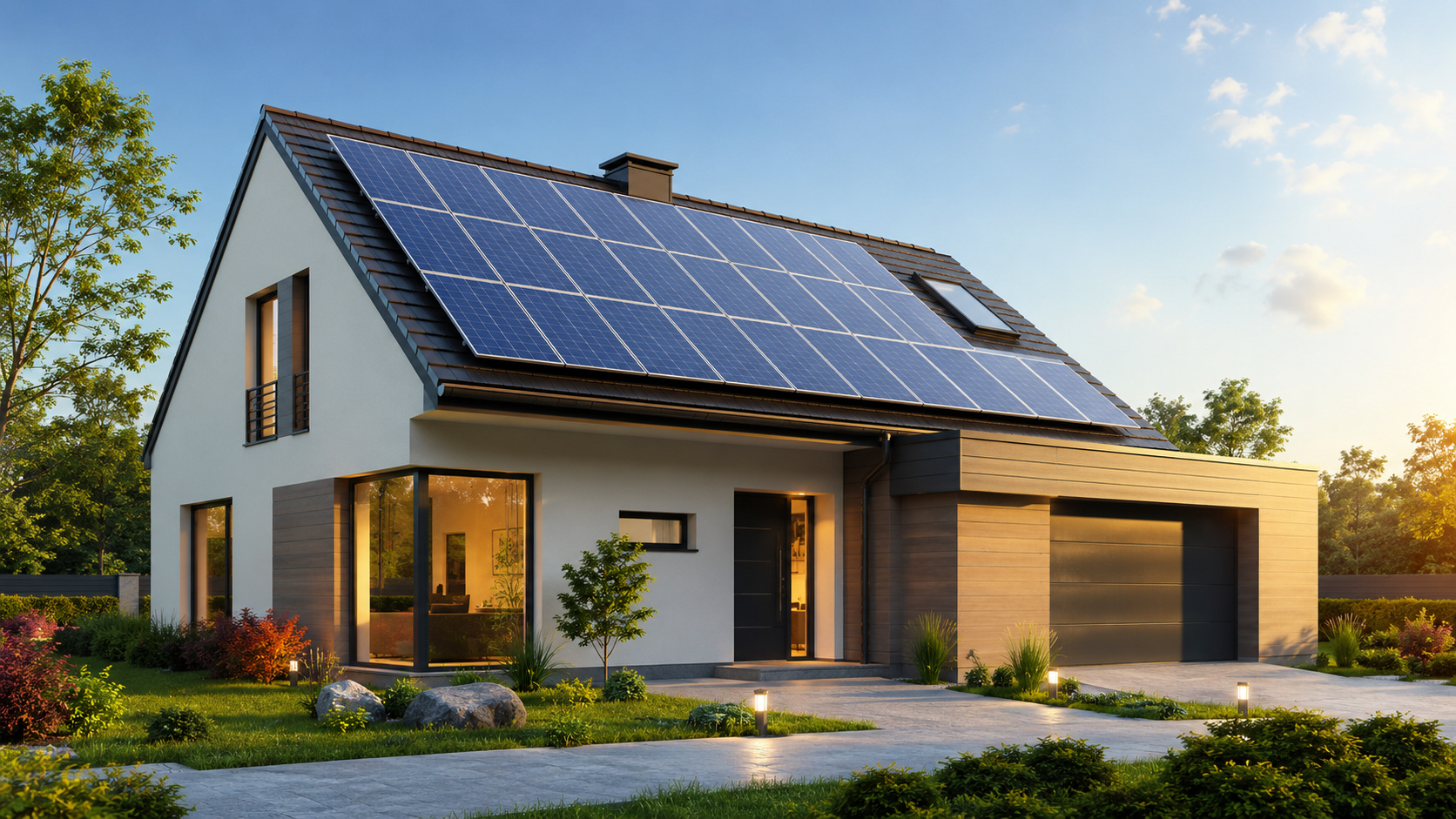
Solar energy can increase property value by up to 10% and become a selling point.

-
Solar and wind energy surpass natural gas for the first time in the world and accelerate energy revolution

-
Africa has about 500,000 cell towers and most still burn diesel to operate, while companies rush to cover antennas with solar energy and avoid signal blackouts.
-
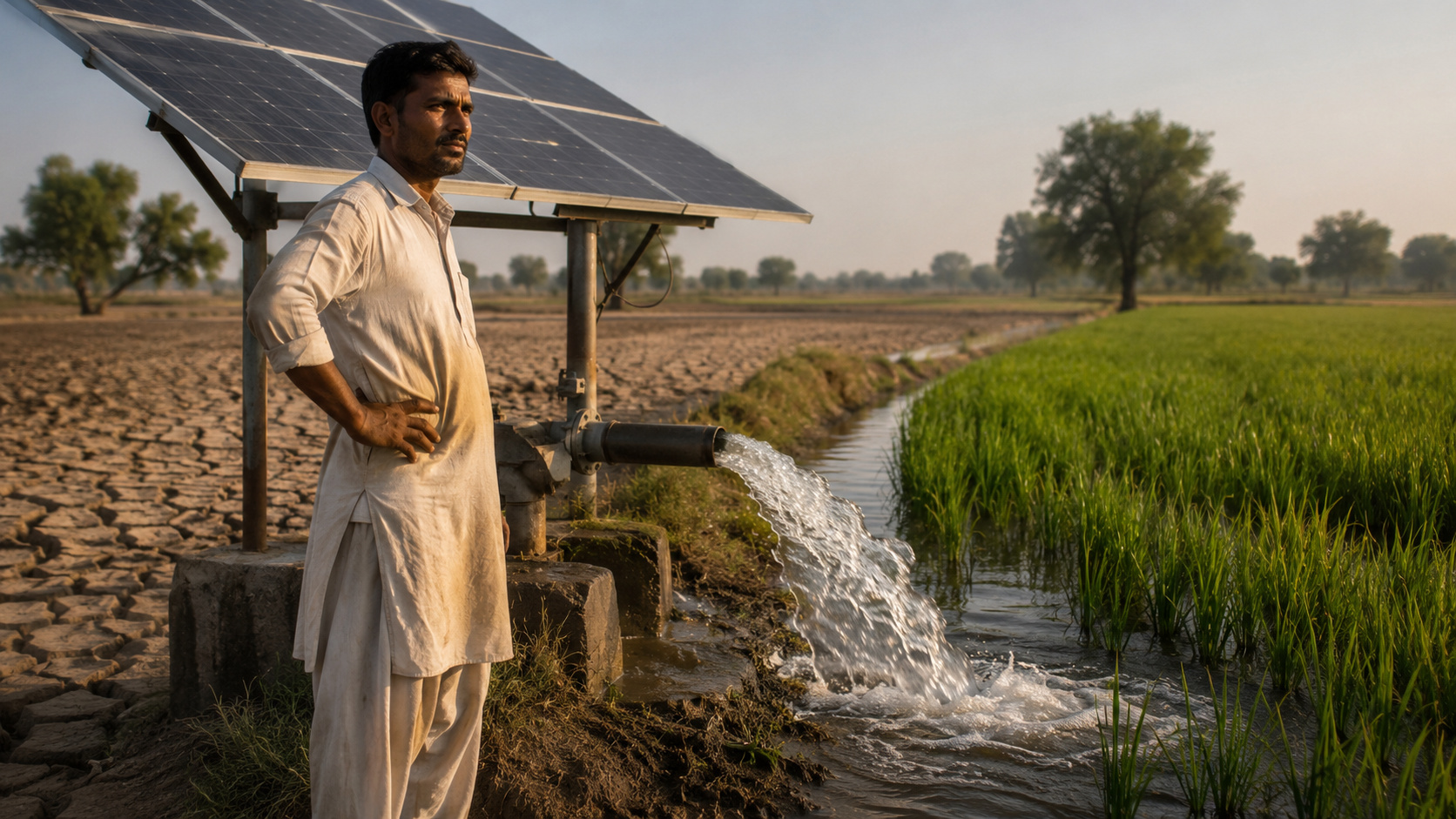
Farmers swapped diesel for solar panels in Pakistan, powered irrigation pumps almost cost-free, expanded rice fields, and now groundwater has become a red alert in the countryside.


On average, considering the electricity bill and the savings provided, the installation of a photovoltaic system can pay for itself in about 3 to 6 years.
For example, a house in the Southeast region, which consumes 347 kWh per month, would require a system of at least 3.3 kWp to meet its entire energy demand. In a house in the Northeast region, where there is higher solar incidence, the same consumption could be met by a slightly smaller system, reducing the initial cost and the return on investment time.
How Much Does It Cost To Install Solar Energy In Brazil In 2025?
The installation cost of a solar energy system depends on the size of the structure needed to meet the property’s demand. Below are some simulations of average values for different consumer profiles:
Residential:
- 5 kWp System: R$ 12,906.00 (generating an average savings of R$ 400 per month and an annual return of 37%);
- 10 kWp System: R$ 22,692.00 (savings of R$ 800 per month and a return rate of 42% per year).
Commercial:
- 25.5 kWp System: R$ 54,500.00 (savings of R$ 2,000 per month, with a return of 44% per year);
- 51 kWp System: R$ 122,900.00 (savings of R$ 4,000 per month, but with a reduced return of 39% per year).
Additionally, costs can be reduced through tax incentives, facilitated financing, and specific credit lines for solar energy, such as those offered by public and private banks.
Types Of Solar Energy Systems
Brazil already has more than 35 GW of installed capacity in solar systems, with accumulated investments exceeding R$ 164.1 billion. Solar energy is present in 5,563 municipalities, covering all states in the country. However, for those looking to invest in this sector, it is essential to understand the different types of solar energy generation available.
1. Distributed Generation (GD)
Distributed Generation refers to smaller photovoltaic systems, usually installed in homes, businesses, and small industries. Most of these systems have a capacity between 4 kWp and 8 kWp, being connected to the electrical grid for consumption compensation through the energy credit system, regulated by the Aneel (National Electric Energy Agency).
2. Centralized Generation (GC)
Centralized Generation corresponds to large-scale solar plants that produce electricity in bulk. The generated energy can be sold through energy auctions or purchased through the Free Energy Market, where companies negotiate directly with suppliers to obtain more competitive rates.
According to Carolina Reis, executive director of Meu Financiamento Solar, the significant reduction in equipment costs has made solar energy more accessible and advantageous than ever. Additionally, factors such as an increase in electricity bills, government incentives, and environmental concern have driven the adoption of this technology in Brazil.
Whether for residential or commercial use, investing in solar energy in 2025 continues to be an excellent alternative for those seeking savings, sustainability, and energy independence.






Be the first to react!