






 Portuguese
  Spanish


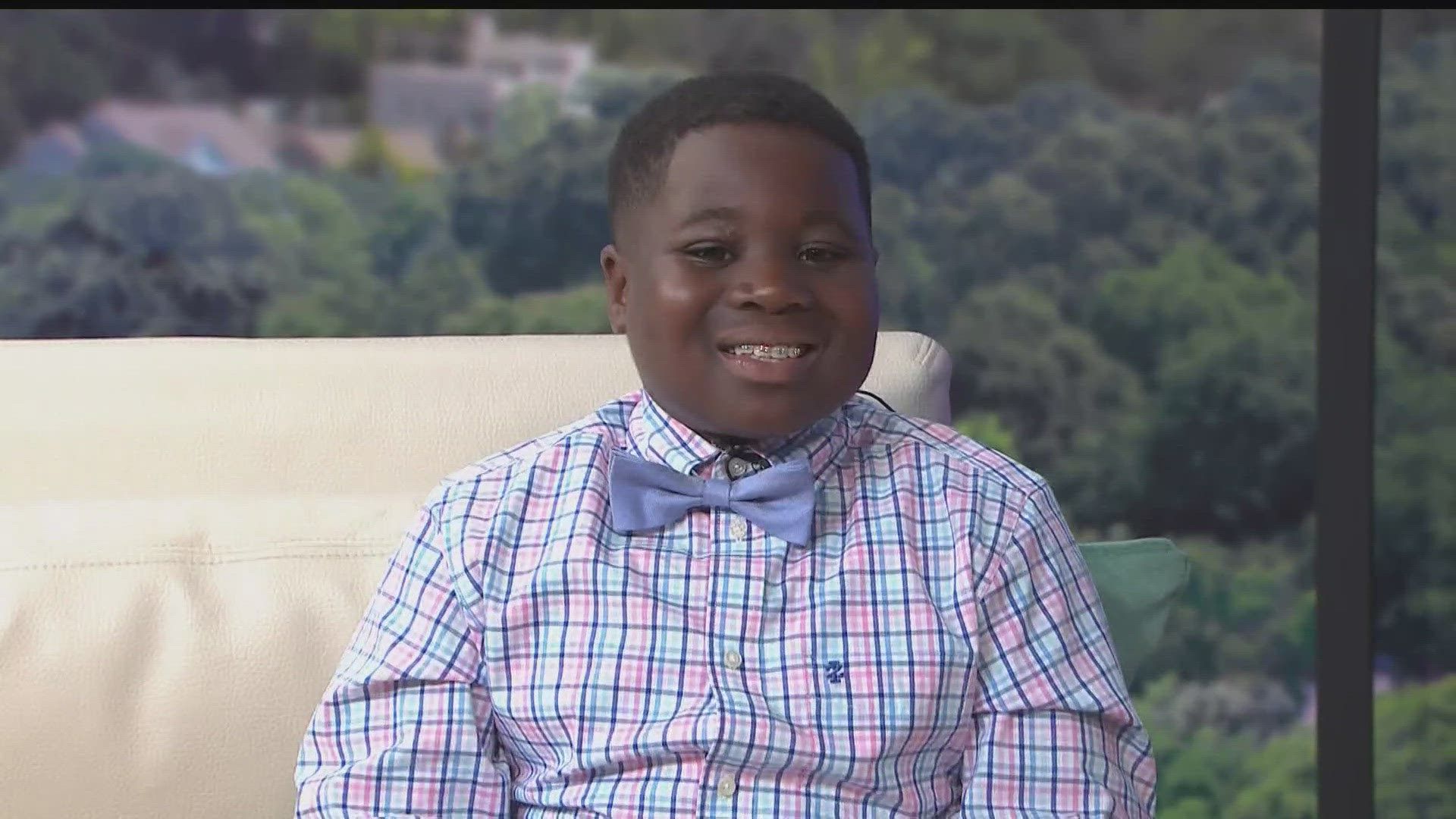

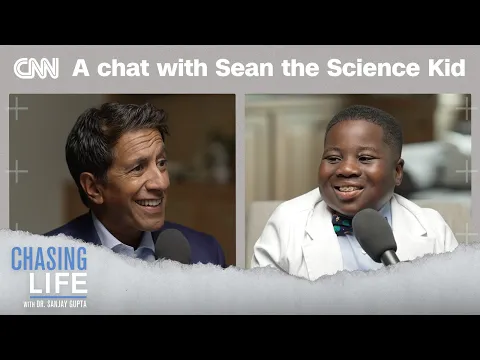
Known as “Sean, the science kid,” the 10-year-old prodigy claims to have learned to read as a baby and now teaches neuroscience to 1.4 million followers. In an interview on the CNN podcast Chasing Life, he impressed neurosurgeon Dr. Sanjay Gupta.
The story of the child prodigy known as “Sean, the science kid” seems like fiction, but it ended up on the podcast of one of the world’s most famous doctors. At 10 years old, he claims to have learned to read when he was still a baby and now explains how the brain works to a legion of over a million followers on social media. During a conversation on the CNN program Chasing Life, the boy demonstrated a knowledge of neuroscience that left none other than neurosurgeon and journalist Dr. Sanjay Gupta amazed.
The chat revealed a child passionate about learning from a very early age. Sean says that around the age of four or five, he decided to create a channel to share with the world the knowledge he absorbed from educational videos. Instead of treating study as an obligation, he says that learning has always been like a video game, a fun activity that turned into a life passion. The information is based on an episode of the CNN podcast Chasing Life, published on YouTube.
Who is “Sean, the science kid”
The protagonist of this story presents himself as someone who was practically born connected to learning. Jokingly, Sean claims he was already “doing science” before he was even born, one of the many humorous remarks that mark his conversation with Dr. Gupta. Behind the humor, however, is the real journey of a child who became intensely interested in knowledge from early childhood.
-
Scientists create robotic bird that uses articulated wings to maintain balance, mimicking hawks and flying with stability where common drones fail.

-
U.S. university performs surgeries with remotely controlled humanoid robots
-
A 12-year-old boy from the municipal network of Canoas won gold in the Brazilian Mathematics Olympiad, earning the school’s first national medal in history and standing out in a competition that brought together more than 18 million students, demonstrating how public education can uncover hidden talents in Brazil.
-
Why did a company that was already earning US$ 1 million decide to completely change its strategy? The answer begins with used bottles, worms, and an unexpected decision.



His relationship with study is described almost as a force of nature. He says he feels a kind of gravitational pull towards learning, treating everything he does as a project driven by passion. This thirst for knowledge, according to the boy himself, led him to absorb information from all possible sources, turning books, videos, and research into his main pastime, instead of the common toys of his age.
The story of when he learned to read as a baby
One of the most remarkable moments of the story is how the family discovered the boy’s early talent. According to Sean, it all came to light when he was about nine months old, during a car ride to a baby clothing store. Looking at the sign on top of the building, he supposedly combined what he had been learning about phonetics and reading and read the name out loud.
The parents’ reaction was one of astonishment, and the confirmation came soon after. The mother was said to be impressed and, upon arriving home, showed pamphlets to confirm that the child really knew how to read, something the father only accepted after seeing it with his own eyes. The boy, who claims to have learned practically everything on his own at home, jokes that this early learning even brought curious effects, such as confusing everyday objects with the letters they resembled.
The boy who “learned too much” and went to a special school
As surprising as it may seem, the extreme talent brought challenges. Sean humorously reports that it reached a point where he “learned too much,” to the extent that his mother became concerned and sought professional help. The recommendation from a psychologist, according to him, was unusual: to teach him to play, since the child’s focus was entirely on studying.
The attempt, however, did not work out as expected. He says he resisted traditional games and only wanted to return to learning, which eventually led the family to enroll him in a school for high-performing students. In this environment, where each child progresses at their own pace, Sean claims to have advanced so quickly that he reached second grade at just three years old, skipping stages that would normally take years.
The dream of becoming a “cardiac neurosurgeon”

When it comes to the future, the boy has no doubts about what he wants to be, and he even invented a term for it. He claims he wants to become a “cardiac neurosurgeon,” a combination of brain and heart surgeon that he says he created at the age of four while researching the human body. The idea was born from a perception of how the two organs are connected.
The reasoning behind the choice reveals how he thinks. Sean explains that the brain and heart function in a closed circuit, where one depends on the other, and that’s why he decided he would like to treat both at the same time. It was precisely this type of connection between different areas of knowledge that impressed Dr. Gupta, who works exactly in the brain area and joked that he could share tasks with the young man in the future.
The fight against scientific misinformation
Despite his young age, Sean demonstrates a serious concern with the quality of information circulating on the internet. He states that his channel exists precisely to combat false science or science simplified to the point of becoming a lie, something that, according to him, is widespread everywhere. For the boy, misinformation is a real problem because people end up believing and passing on incorrect data.
He even teaches how to separate the true from the false when seeking information. Sean recommends checking the source, being wary of sensationalist language and content hidden behind ads or paywalls, and valuing clear and concise explanations from reliable sources. Honestly, he admits to having made mistakes in his own videos, says he has learned from them, and appeals for people to let a 10-year-old make mistakes and learn like anyone else.
The conversation that impressed Dr. Sanjay Gupta
The meeting between the boy and the doctor resulted in exchanges that reversed the traditional roles of an interview. At a certain point, it was Sean who started asking Dr. Gupta questions about complex topics such as neuroplasticity, neurogenesis, and psychoneuroimmunology, demonstrating familiarity with advanced neuroscience concepts. The doctor, known for promoting health to the general public, reacted with admiration.
The rapport between the two was evident throughout the conversation. They shared a love for the brain, playfully repeated difficult words out loud, and even discovered they had the same favorite neurotransmitter, endorphins, associated with the feeling of well-being. For Dr. Gupta, the boy represents a bet on the future, someone who, according to him, will still be around for a long time and can make a difference in the world, despite the lightness of the conversation.
And you, have you ever seen a 10-year-old master brain science to the point of impressing a famous neurosurgeon? Tell us in the comments what surprised you the most about this prodigy boy’s story and if you would follow a channel like his.






Great man of the future. I pray he becomes a great doctor