






 6 min of reading
  0 comments


The race for artificial intelligence took an unexpected toll. In La Esperanza, Mexico, water consumption by data centers helped leave an entire community without the basics, opened the door for a hepatitis outbreak, and exposed the environmental cost that big techs prefer not to show. Now they are backing down.
It was in the summer of 2025 that the residents of La Esperanza, a small village near Querétaro, Mexico, realized something was very wrong. The already scarce water disappeared completely, and without it, it became impossible to wash hands or maintain minimal hygiene at home. In a short time, about fifty people fell ill. The diagnosis was hepatitis, a disease that spreads exactly where there is a lack of clean water, and the trigger was the thirst of a neighboring giant: a Microsoft facility built nearby to power artificial intelligence.
The episode is narrated by Victor Bárcenas, director of a local health clinic, who blamed state governments for not negotiating any support for the population. The case of La Esperanza became a symbol of a problem that grew too quickly. The data centers that support artificial intelligence consume absurd volumes of water to cool down, and when they settle in already vulnerable regions, it is the community that pays the price. The reaction, however, has finally arrived, and the big techs have begun to slow down their own plans.
The village that ran out of water and fell ill
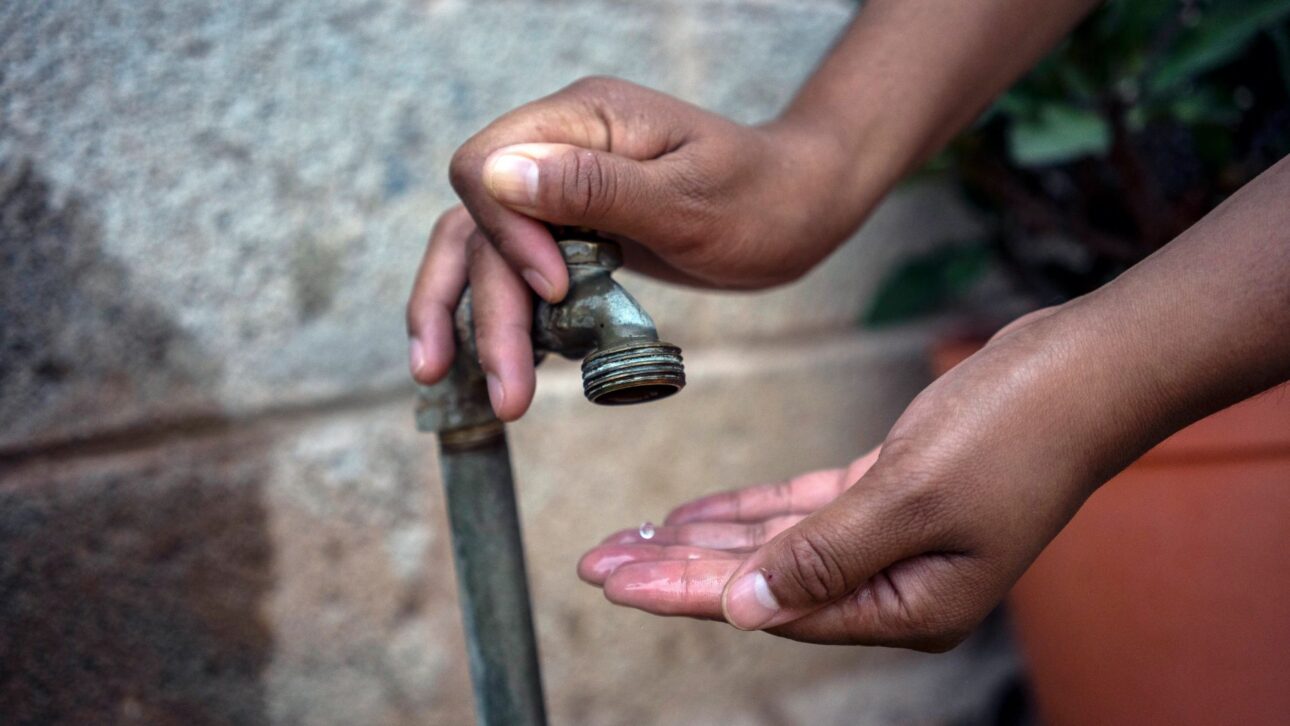
The story of La Esperanza has everything that usually goes unnoticed in billion-dollar technology announcements. On one side, a promise of future, jobs, and modernity. On the other, a dry faucet and sick people. The hepatitis outbreak was not an isolated accident, but rather the direct consequence of a depleted resource. Without running water, basic hygiene collapses, and diseases that seemed controlled return with force, like the hepatitis that spread there.
-
System created to save lives in disasters turned ‘against’ Brazilians overnight: a hacker attack sent out a false alert from Civil Defense with the word “misantropia” that went off on the phones of half the country, even in silent mode, and took down the Cell Broadcast.

-
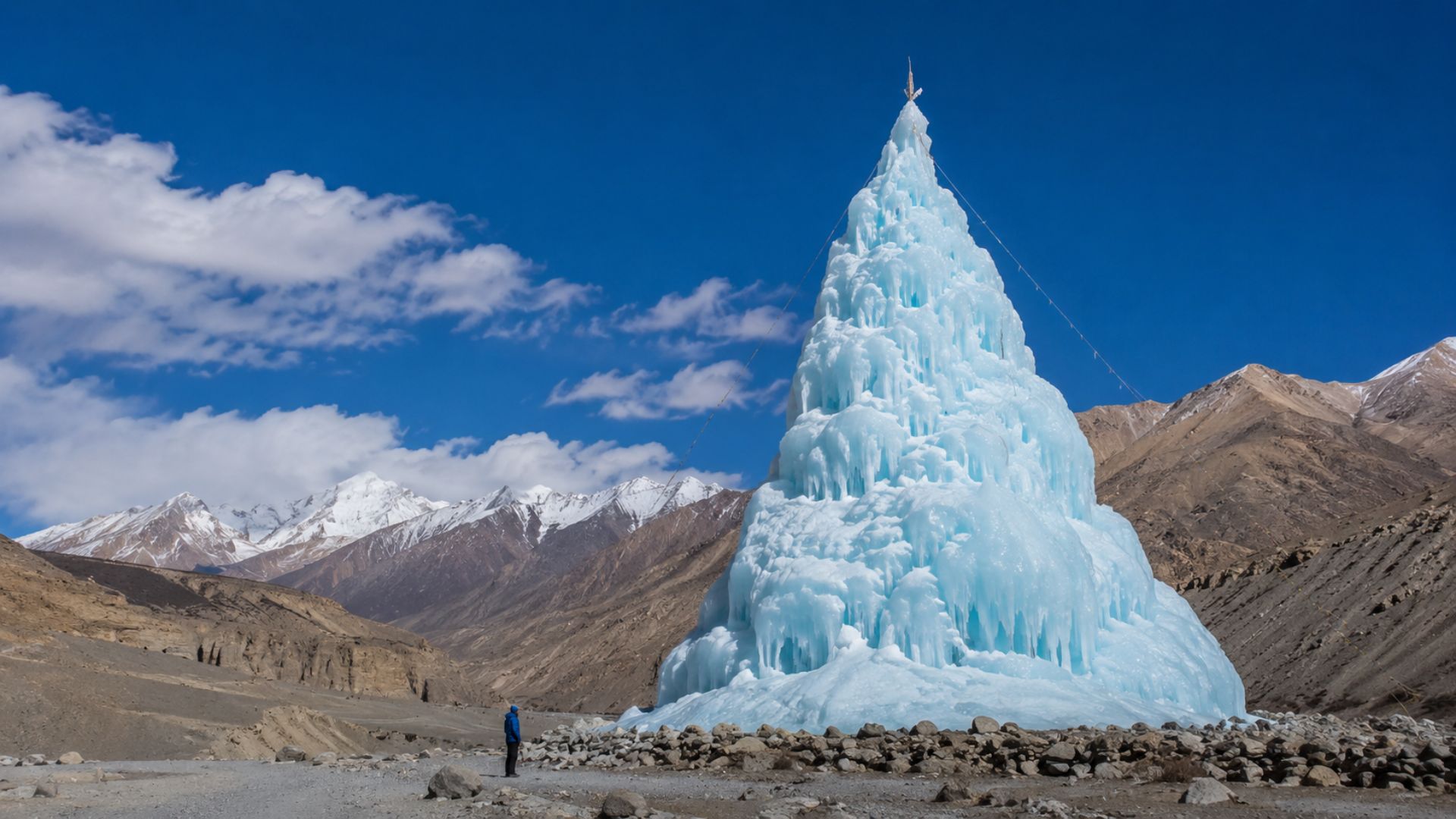
In the cold desert of Ladakh, where it hardly rains, engineer Sonam Wangchuk created the ice stupa, a tower that freezes winter water and stores it for irrigating crops in the spring, a simple engineering feat that mimics nature.
-
For the first time in history, solar and wind energy generated more electricity than natural gas worldwide in a single month, April 2026, a milestone in the energy transition that shows renewable sources taking the lead in the global electric system.
-
The Amaterasu particle, a cosmic ray with energy millions of times greater than that of the world’s largest accelerator, hit the Earth coming from the Local Void, a region of space that is practically empty where, in theory, there should be nothing capable of creating it.



The doctor who attended the cases was direct in pointing out the failure. For him, governments lacked the courage to demand some concrete return from companies for the community that would give up its water. While the servers ran artificial intelligence models non-stop, the surrounding houses faced the opposite of abundance, and the high water consumption of the technological structure contrasted with the thirst of the neighborhood. This contrast, between the abundance of processing and the lack of the most basic, is the heart of the problem that now pressures big techs worldwide.
Why artificial intelligence consumes so much water
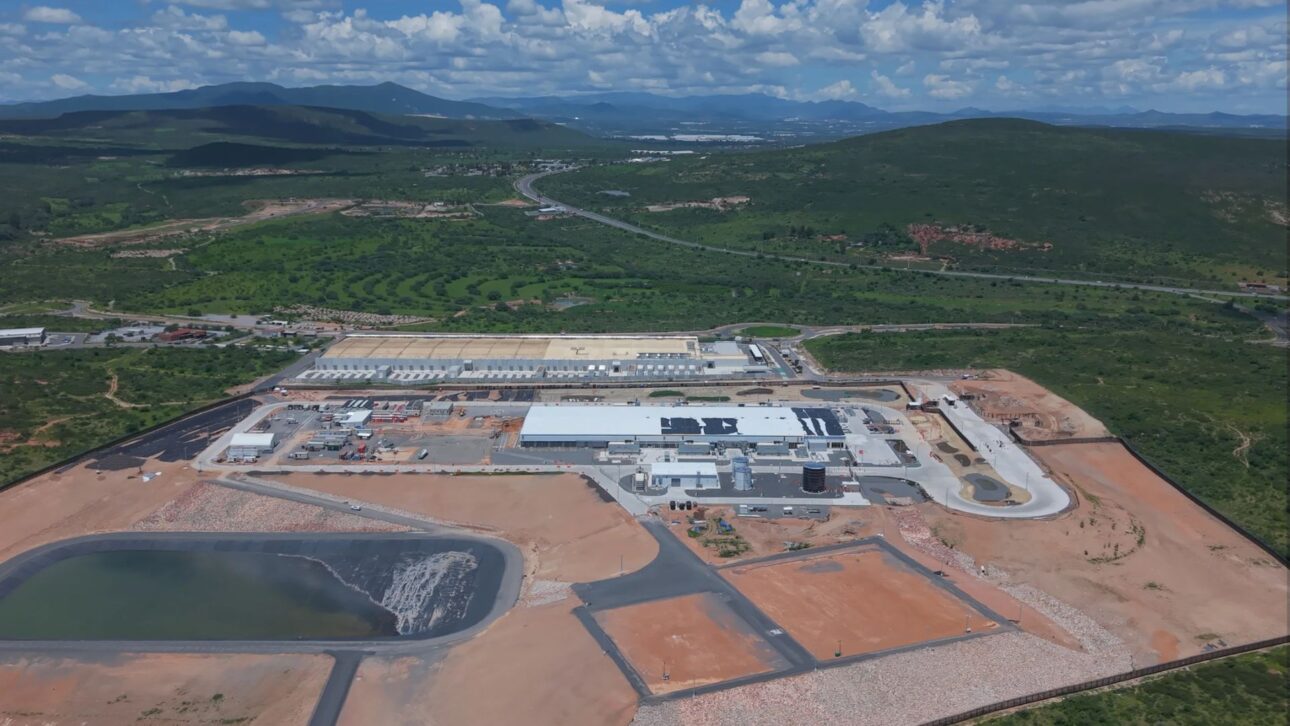
It may sound strange that something so digital depends on something so physical, but the explanation is simple. The chips that train and run artificial intelligence heat up a lot, and heat is the enemy of the equipment. The most common way to cool these environments is precisely with water, which circulates, absorbs the heat, and largely is lost through evaporation. The more powerful the model, the thirstier it is. It is estimated that ChatGPT uses about half a liter of water to generate around a hundred words of response.
On the scale of giants, the numbers are alarming. Just the American data centers consumed almost 1 trillion liters of water in 2025, a volume similar to the annual demand of a city like New York. The International Energy Agency projects that the global water consumption of this sector will rise from 560 billion liters per year to 1.2 trillion liters by 2030. The cruel detail is that many companies choose to install their data centers in arid regions, seeking logistical and tax advantages, precisely where every drop was already scarce. The water consumption in these places stops being a statistic and becomes real-life scarcity.
The technology giants in retreat
The news is that the pressure has started to work. After years of advancing almost without resistance, the big techs are being forced to retreat in the face of organized communities and concerned investors. Amazon abandoned a 4 billion euro project in Ennis, Ireland, after strong opposition from environmental groups and residents, responding only that it wants to be a good neighbor. Google, in turn, abandoned plans in Chile in the face of protests from activists worried about the depletion of water reserves.
The wave of restrictions doesn’t stop there. In Ireland, authorities have limited new data centers in the Dublin area due to risks to energy supply, and in the Netherlands, some projects have been halted due to environmental concerns. In the United States, dozens of local governments have approved moratoriums against new installations throughout 2025 and 2026. Pressure also came from within the market, with managers like Trillium Asset Management demanding transparency about water consumption. No wonder: Meta alone saw its water usage jump more than 50% in four years. The big techs that promised a clean future now need to explain why it is so wet.
Brazil on the thirst route of data centers
The discussion reaches Brazil at a decisive moment because the country wants to attract these investments. The federal government created Redata, a package of tax exemptions for data center equipment, later transformed into Bill 278 of 2026. The idea is to make Brazil a hub of artificial intelligence, but experts warn that the water bill could be costly if no one looks at the water map before signing the incentives.
Today, there are already about 200 data centers in the country, with more than 80 concentrated between São Paulo and Campinas, precisely over basins that are at their limit. Hydrologist Rodrigo Manzione, from Unesp, points out that the PCJ basin is naturally deficient because it supplies water to the Cantareira system, which supplies the São Paulo capital, and questions the use of groundwater filtered over 15,000 years just to cool servers. Computer scientist Leopoldo Lusquino, also from Unesp, explains that water remains the main cooling strategy for these environments. Add to this Brazil’s bet on natural gas to power megacomplexes in Rio de Janeiro, Rio Grande do Sul, and Paraná, and it becomes clear that the hepatitis outbreak in Mexico is less distant than it seems. The question that La Esperanza leaves is whether Brazil will learn from others’ mistakes or repeat them.
Why this matters to everyone


At its core, this is one of those cases where the most advanced technology on the planet clashes with humanity’s oldest need, which is to drink clean water. Artificial intelligence will not stop growing, and no one is proposing that. The point is different: deciding who bears the invisible cost of this advancement. When a village falls ill with a hepatitis outbreak so that servers can run on the other side of the wall, something in the equation is wrong, and water consumption needs to become a central part of the decision.
The retreat of the big techs shows that communities and investors together can change the course of billion-dollar projects, something that seemed impossible not long ago. For Brazil, which dreams of riding the wave of artificial intelligence, the lesson from La Esperanza is an invitation to plan before rushing. Growing with data centers is possible, as long as water consumption is considered from day one, and not after the tap runs dry and disease arrives.
The race for artificial intelligence has just gained a chapter that no one predicted, written not in the offices of the big techs, but at the dry tap of a Mexican village. And you, do you think Brazil should attract data centers at any cost or prioritize the population’s water before approving the projects? Share in the comments how you view this trade-off.




Be the first to react!