






 Portuguese
  Spanish
  4 min of reading
  0 comments


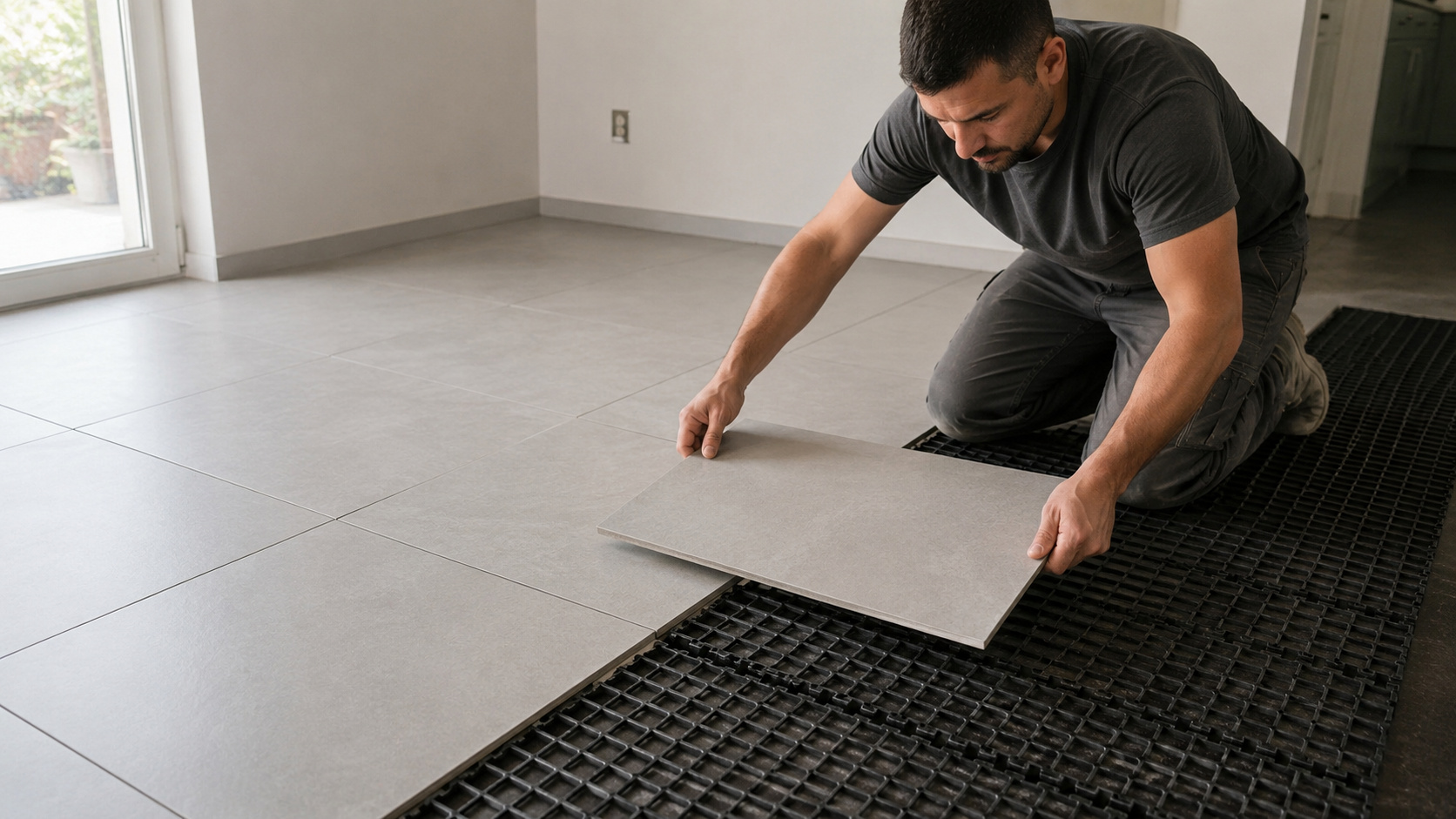
Technology created by young entrepreneurs eliminates traditional mortar and allows ceramic tiles to be installed by interlocking, in a faster and cleaner way.
For decades, the installation of ceramic tiles followed practically the same script. Mixing mortar, manual application, curing time, dirt, debris, and days of work were part of the routine for builders and owners in renovations and new constructions. Now, a technology created by young Spanish entrepreneurs proposes to change a process that has evolved little over the years. The Spanish startup Ondablock has developed a completely dry ceramic installation system that replaces traditional mortar with a technical base made from recycled thermoplastic polymer.
The result is an interlocking method that works similarly to a modular puzzle, allowing floors to be installed more quickly, cleanly, and efficiently. According to the company, the system significantly reduces the execution time of works and can be applied directly over existing floors in many cases.
How the system that dispenses with mortar and water in floor installation works
The concept developed by Ondablock combines two elements in a single piece. The top part remains a conventional porcelain ceramic, while the bottom part receives a technical base produced with recycled thermoplastic polymer. This structure is factory-integrated and arrives ready for installation.
-
They built an entire village of houses with their own hands made of earth and old tires, in the ecovillage Aardehuis, in the Netherlands, where 44 residents live in Earthships that generate almost all the energy, heat with the sun, and treat sewage in their own garden.

-
Villagers dig a road by hand on a 1,200-meter cliff in China after decades of extreme isolation, creating one of the most dangerous and impressive tunnels in the world.
-
Malaysia created a tunnel that becomes a road on a normal day and a giant flood drain when rain threatens Kuala Lumpur.
-
Libya built over 4,000 kilometers of underground pipelines to bring water from the Sahara to coastal cities in a project that the government itself called the Eighth Wonder of the World.




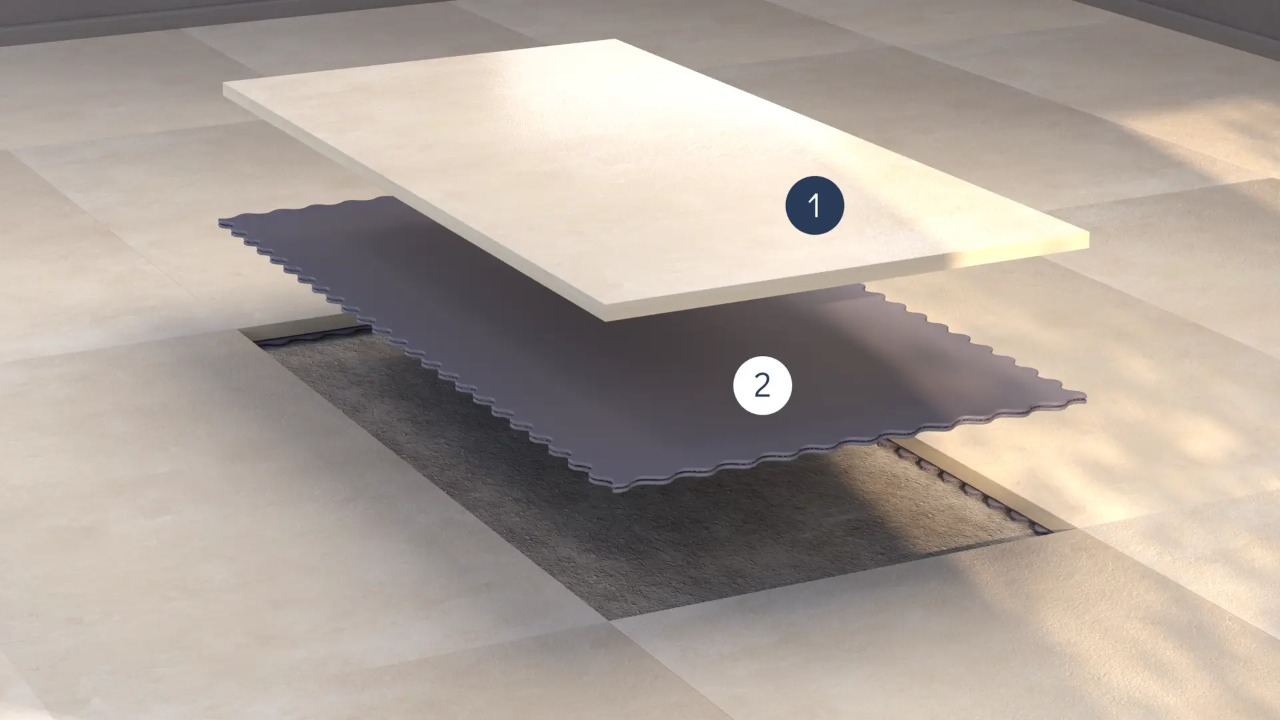
According to the company, the polymeric base has a unique wavy geometry that allows the lateral interlocking of the pieces. Instead of relying on the chemical adhesion of mortar, the system uses a mechanical connection mechanism between the modules, creating a continuous and stable surface.
The process eliminates traditional construction steps, such as mortar preparation, adhesive application, and waiting for drying. As explained by Ondablock, the pieces can be laid directly on leveled and stable surfaces, including concrete, existing ceramic, and some other already installed coverings.
Installation can be up to eight times faster than traditional methods
One of the main arguments for technology is the speed of execution. According to a technical publication by OVACEN, specialized in architecture and construction, the system can make the installation of ceramic floors up to eight times faster compared to conventional mortar-based methods.
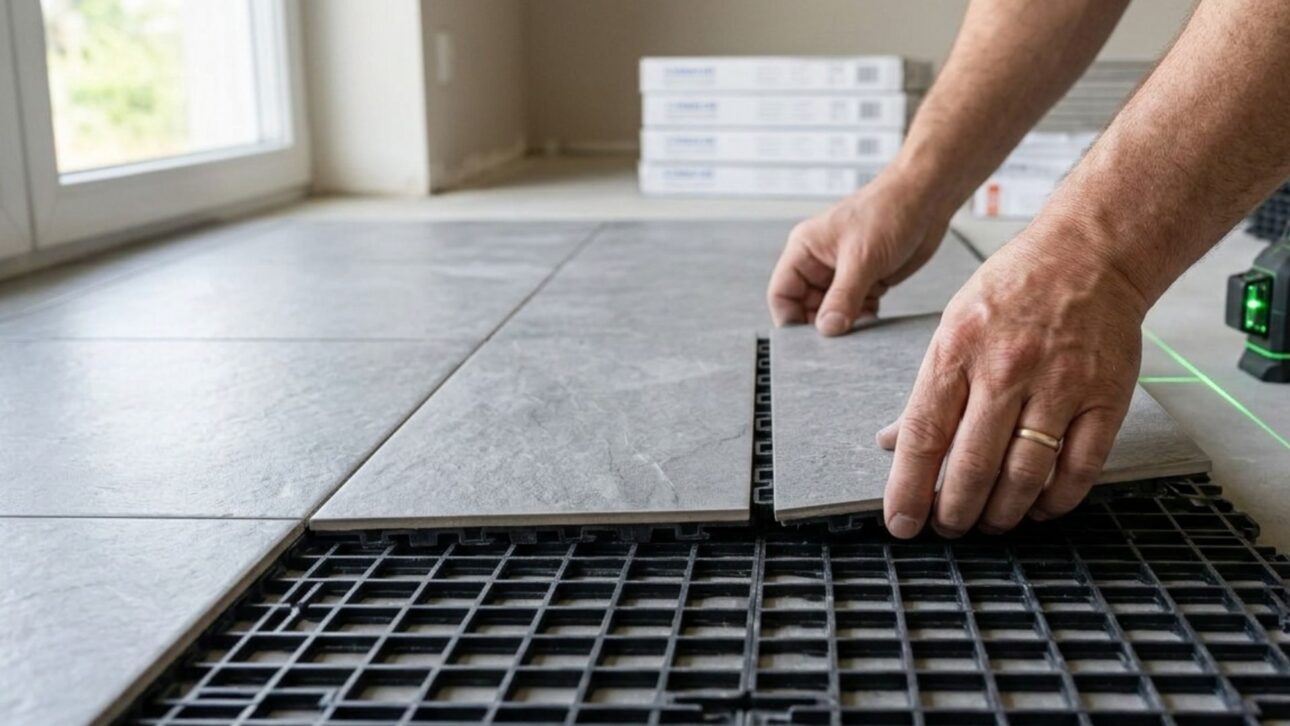
Ondablock itself states that the system allows for installation rates between 20 and 25 square meters per hour, a volume significantly higher than that observed in many traditional ceramic laying processes.
In addition to speed, the absence of wet mixtures reduces waste generation on site and eliminates much of the dirt normally associated with renovations. This also reduces interruptions in residential, commercial, and corporate environments that remain operational during construction.
The technology also bets on sustainability and reuse
Another differential of the system is the use of recycled raw materials. According to Ondablock, the technical base used under the ceramic tiles is made with recycled thermoplastic polymer, reusing plastic materials that have already been used before.


The Ovacen publication highlights that dry installation systems reduce the consumption of water, sand, cement, and other inputs normally used in conventional construction. Since there is no need for mortars or cementitious adhesives, the environmental impact associated with the process tends to be lower.
Another benefit pointed out by the advocates of this model is the possibility of future disassembly. Since the pieces are not permanently adhered to the subfloor with mortar, removal can occur with less damage, allowing the reuse of materials in certain situations.
Young entrepreneurs bet on a market that moves billions
According to information released by the company, the technology was conceived by entrepreneurs Guillem Vicent and Jordi Peñarrocha, who identified the opportunity to modernize one of the most traditional processes in civil construction. The proposal is to bring to ceramic coatings concepts of modularity, speed, and industrialization that have already been transforming other segments of engineering.
The startup claims that the system has already begun its international expansion and has started to attract interest from architects, construction companies, and distributors. To expand production and distribution capacity, the company has signed commercial agreements aimed at growth in other European markets.
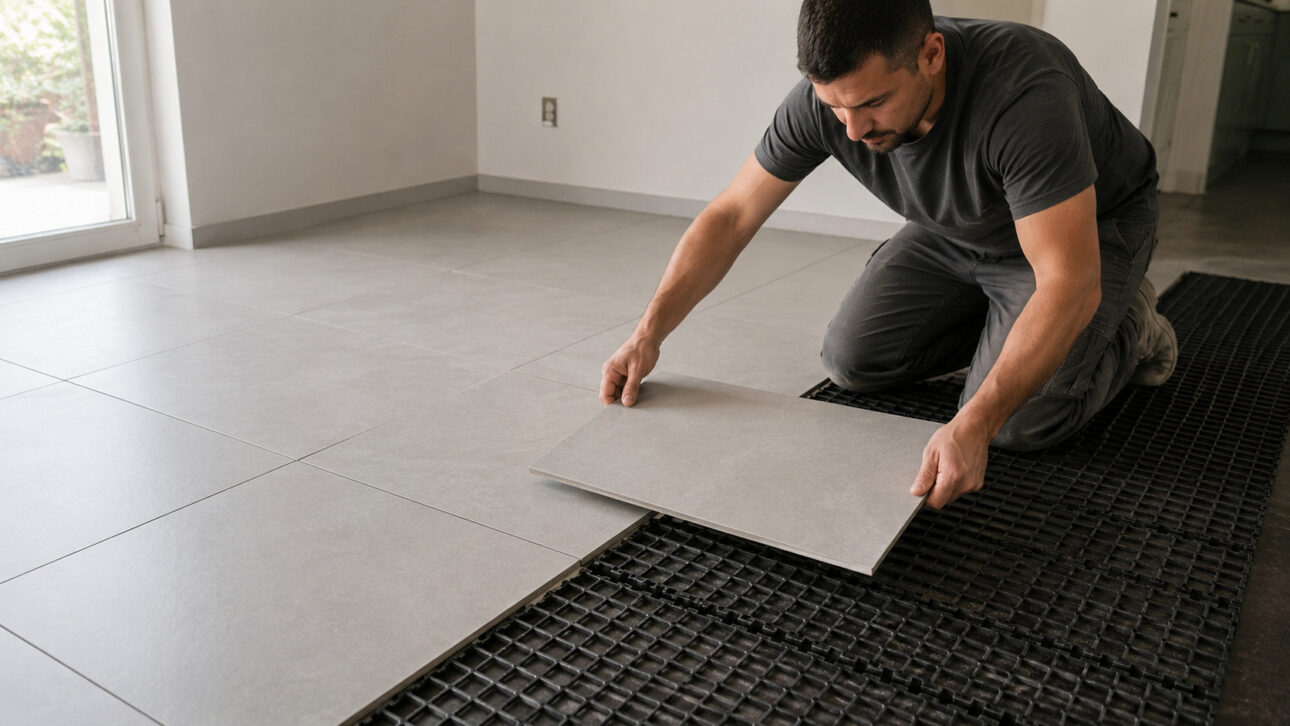
Although the technology still competes for space with widely established traditional methods, it represents an increasingly present trend in modern civil construction: reducing construction stages, minimizing waste, and transforming manual processes into industrialized systems for quick assembly.
The goal is not to replace ceramic but to reinvent the way it reaches the floors of houses, apartments, offices, and commercial enterprises.







Be the first to react!