






 Portuguese
  Spanish


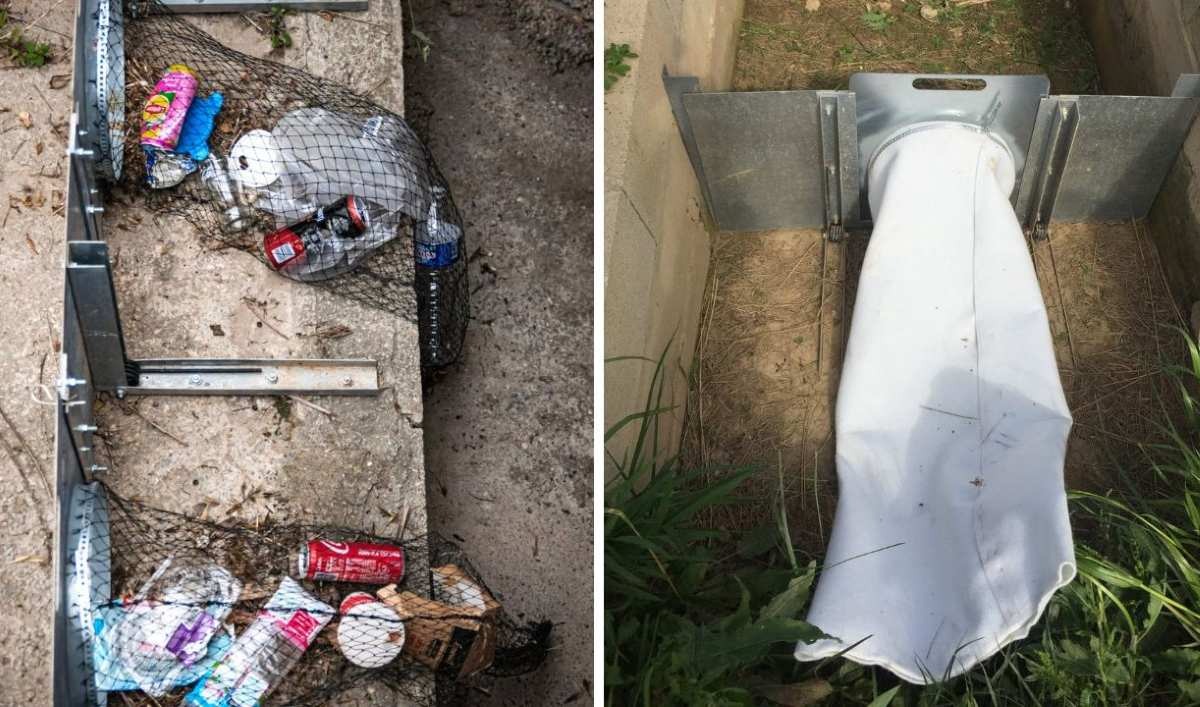

French Technology Has Been Adopted in More Than 50 Municipalities, Reducing Costs for Cities, Withstanding Heavy Rain and Helping to Combat Marine Pollution.
Urban waste, represented by microplastics, poses one of the greatest environmental threats of our time. According to the UN, 80% of the waste that reaches the ocean has a terrestrial origin.
In order to cut this chain before the waste reaches rivers, beaches, and seas, French inventor Stéphane David developed a simple, adaptable, and impactful solution: a capture system installed directly in storm drains and urban drainage systems.
Created through his company, Clean-Up Rivers, the technology has already been implemented in more than 50 municipalities in southern France and promises to change the way cities face the problem of pollution.
-
China Develops Custom 140-Ton Electric Mining Truck with 770 kWh Swappable Battery, Deploys 290 Units in Xinjiang’s Largest Zinc Mine

-
Meta to Launch Arena, a New Prediction App Targeting 3.56 Billion Users, Competing with Polymarket and Kalshi

-
Scientist Challenges Famous Human Evolution Theory, Argues Homo Sapiens Evolved Gradually Over Thousands of Years
-
15-Year-Old American Builds Ocean Generator with PVC Pipe and 3D-Printed Propeller for $12, Wins National Prize, Presents at White House, and Makes Forbes 30 Under 30 List




An Invention Born from Common Sense
The project arose from voluntary cleaning actions in Canet-en-Roussillon, in southern France. During these initiatives, Stéphane David realized that collecting waste after it had already reached the riverbanks was like trying to dry the floor with the tap open. The solution, therefore, should be preventive: acting at the point of origin of the waste.
It was then that he envisioned the installation of filters and nets directly in storm drains and rainwater systems, creating an efficient barrier against urban waste.
This approach prevents bags, bottles, and other debris from entering waterways and, subsequently, the sea.
The practical result is impressive: up to 80% of plastic waste can be intercepted before reaching the marine environment.
Low-Cost, High-Efficiency Technology
The patented system from Clean-Up Rivers combines simplicity with efficacy. It is designed to adapt to different urban environments and weather conditions.
During heavy rains, for instance, the structure automatically releases water if the pressure exceeds 8 kg per square decimeter, preventing clogs and flood risks.
Maintenance also stands out for its low cost. Although it requires human intervention to empty the filters, the process is quick and inexpensive, especially compared to the high costs associated with manual clean-ups on riverbanks and beaches.
Additionally, the company offers a business model that includes installation, maintenance, and collection, reducing logistical barriers for municipalities.
When Technology Serves Ecology
The key to the system’s acceptance lies in its adaptability. Clean-Up Rivers has developed varied models to meet different urban needs:
- UCD Filet: high-resistance polyethylene net, designed to capture packaging, cans, and bags.
- UCD Filter: made with recycled X-TEX fibers, absorbs up to 20 times its weight in hydrocarbons and other pollutants.
- UCD Box: installed on the drainage facade, allows for quick and clean collection of waste from the top or side.
These units can be combined, creating customized and highly efficient solutions for each city. Each filter installed represents not just a physical barrier, but also a symbol that it is possible to protect the environment with practical and accessible measures.
A Paradigm of Prevention
This technology reflects a change in mindset: migrating from repair to prevention.
Instead of allocating large public budgets to clean rivers and beaches, municipalities can act directly at the source of the problem. This approach not only reduces costs but also contributes to environmental education.
Seeing the waste trapped in the nets installed in storm drains helps raise awareness among citizens about the impact of their daily habits. Thus, technology also serves an educational role, concretely showing what would be dumped into the marine environment.
Potential to Transform Cities
The Clean-Up Rivers system is part of a broader movement in Europe, aimed at decarbonizing urban infrastructures and implementing circular solutions.
France, in particular, has recently tightened its regulations on the treatment of polluted rainwater, creating a favorable environment for the expansion of this technology.
The Clean-Up Rivers team is already working on new models, such as specific grates for cigarette butts, one of the most common and harmful waste items in urban areas. This innovation is expected to complement existing filters and further expand the system’s reach.
Cities like Nantes, Lyon, and neighborhoods in Marseille are already testing similar solutions, often motivated by public pressure for stricter environmental policies.
Direct and Indirect Impacts
The installation of capture units like those from Clean-Up Rivers can generate multiple benefits:
- Reduction of marine pollution by intercepting waste at its source.
- Cost savings for municipalities, freeing up resources previously allocated to emergency clean-ups.
- Environmental education by visibly showing the volume of urban waste retained.
- Alignment with European regulations, such as the Plastics Strategy and the Water Framework Directive, with targets set for 2030.
These advantages demonstrate how a local initiative can have global repercussions, contributing to cleaner oceans and more sustainable cities.
The Next Challenge
Despite the initial success, the great challenge now is to scale this technology. The more cities adopt the system, the greater the positive environmental impact will be. The simplicity and low cost of the solution work in favor of this expansion, allowing even smaller municipalities to implement the technology.
The message is clear: there is no need to wait for great technological revolutions to combat pollution. Sometimes, the secret lies in practical solutions that tackle the problem at its roots. As the principle behind Clean-Up Rivers states, if each city installs a filter, the oceans will not have to pay the price of terrestrial negligence.
This invention shows that, with creativity and common sense, it is possible to transform the way we deal with waste and effectively and affordably protect the planet.






