Portuguese
  Spanish


A Promising Innovation Is Catching the Attention of Scientists and Architects: A Smart Paint That Changes Color and Regulates Ambient Temperature According to External Conditions
A new paint created in Texas could revolutionize energy consumption in buildings. The innovation changes color according to external temperature, helping to heat or cool environments without relying on electrical systems.
According to inventor Joe Doucet, this paint can reduce heating and air conditioning costs by up to 25%.
Color That Changes with the Weather
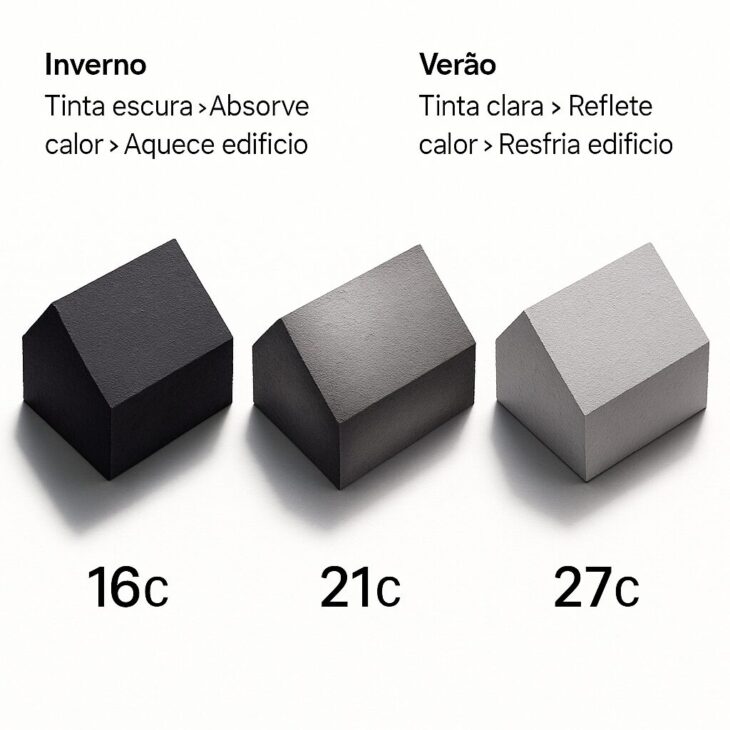
The functioning of the paint is based on a simple principle: light colors reflect sunlight and help keep the environment cooler, while dark colors absorb heat and help warm it up.
-
Scientists Convert Food Waste into Aviation Fuel, Successfully Test 50% Blend with Conventional Kerosene to Cut Emissions and Promote Sustainable Flights

-
OnePlus N6 Smartphone to Launch in India with 8,000mAh Battery and 45W SuperVOOC Charging, Lasting Up to Three Days
-
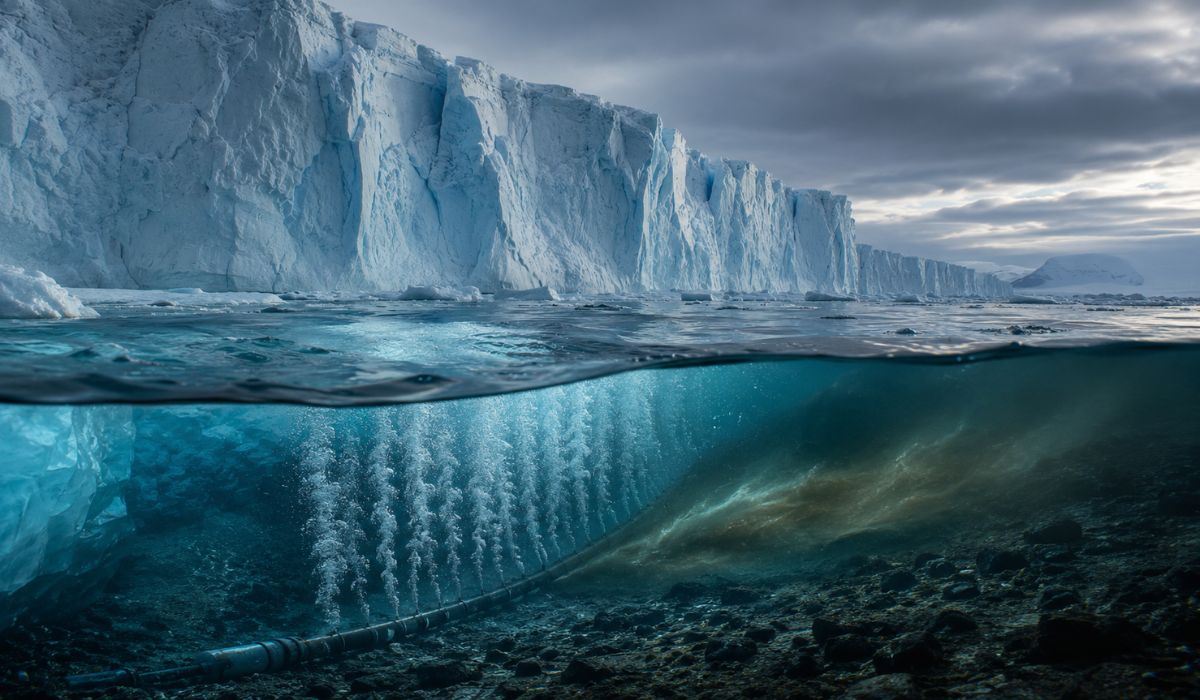
Scientists Plan to Release Air Bubbles Underwater to Protect Antarctica’s “Doomsday Glacier” from Melting

-
Chinese R6000 Drone Combines Airplane and Helicopter Features, Carries Up to 12 People for Multiple Missions

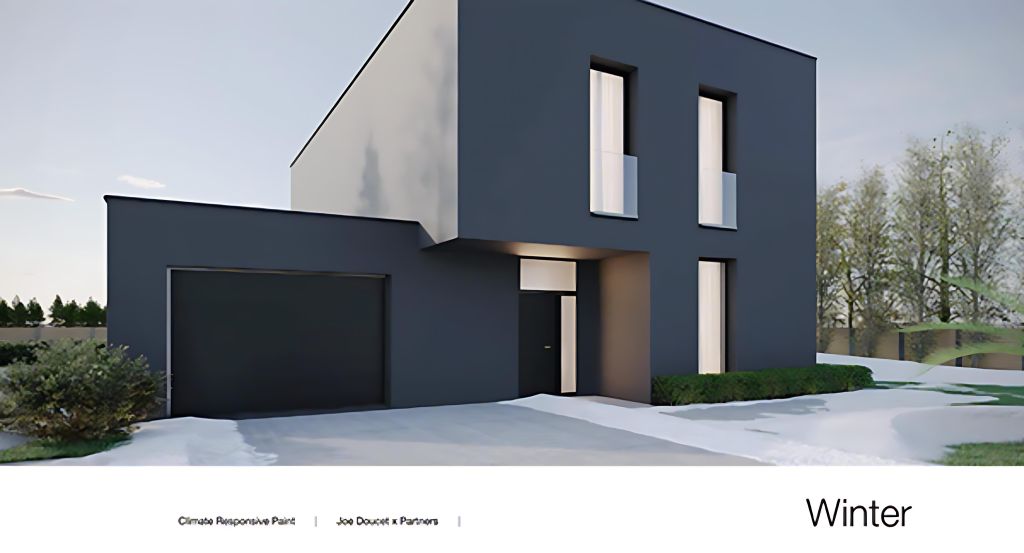
Inspired by this concept, Doucet created a thermochromic paint that changes color automatically according to the external environment’s temperature.
When the temperature is below 25 °C, the paint darkens, taking on shades like gray or black. This increases heat absorption and helps warm the interior of the building.
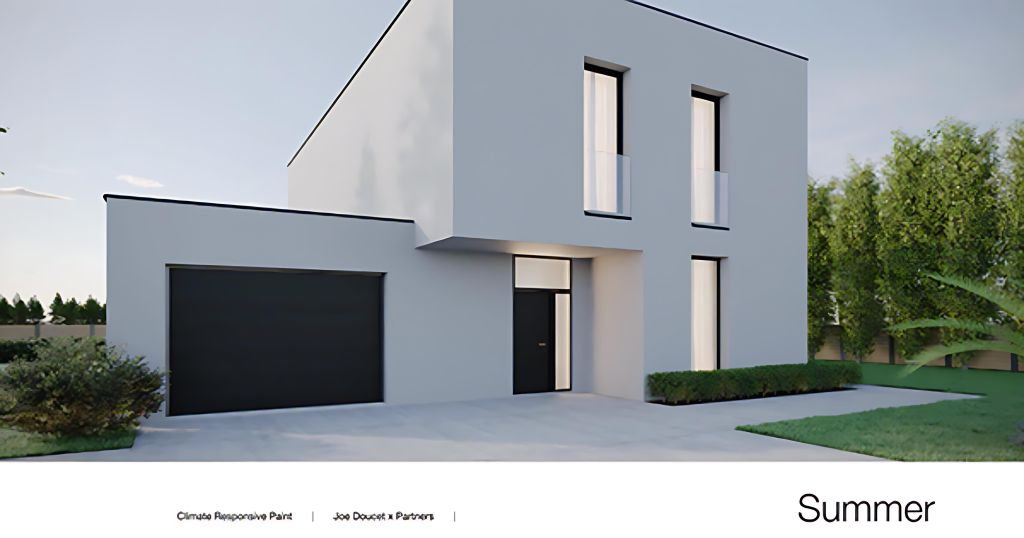
When the temperature exceeds 25 °C, the paint turns white and reflects sunlight, reducing internal heat.
Now see how the paint looks on the house in summer.
Effortless Thermal Regulation
This color change is not only aesthetic. It has a practical function: to passively regulate temperature without using equipment like heaters or air conditioning.
Tests have shown that, in summer, a building with this paint can be up to 7 °C cooler. In winter, the difference can be up to 4 °C warmer inside.
Every degree more or less represents about 3% energy savings. Thus, the paint can reduce annual climate control spending by up to 25%.
The savings become even more important in areas with extreme temperatures, where heating and cooling systems are used more frequently.
High Durability and High Cost
Despite its high performance, the initial cost is still a challenge. The paint developed by Doucet can cost three to five times more than conventional paints.
However, it is highly durable and withstands thousands of thermal variation cycles without losing color or adhesion.
The estimate is that the financial return will occur within a few years, especially in places with little thermal insulation or large climate variations. The initial investment can be offset by monthly savings on the electricity bill.
Eco-Friendly and Practical Paint
In addition to savings, the paint has great sustainable potential. By reducing the need for air conditioning, it also lowers greenhouse gas emissions. This contributes to energy efficiency goals and the fight against global warming.
Another advantage is the ease of application. The paint can be used on facades like any other, without the need for renovations or extra equipment.
This makes it compatible with thermal rehabilitation programs and public policies aimed at sustainability in construction.