






 Portuguese
  Spanish
 3 min of reading
  0 comments


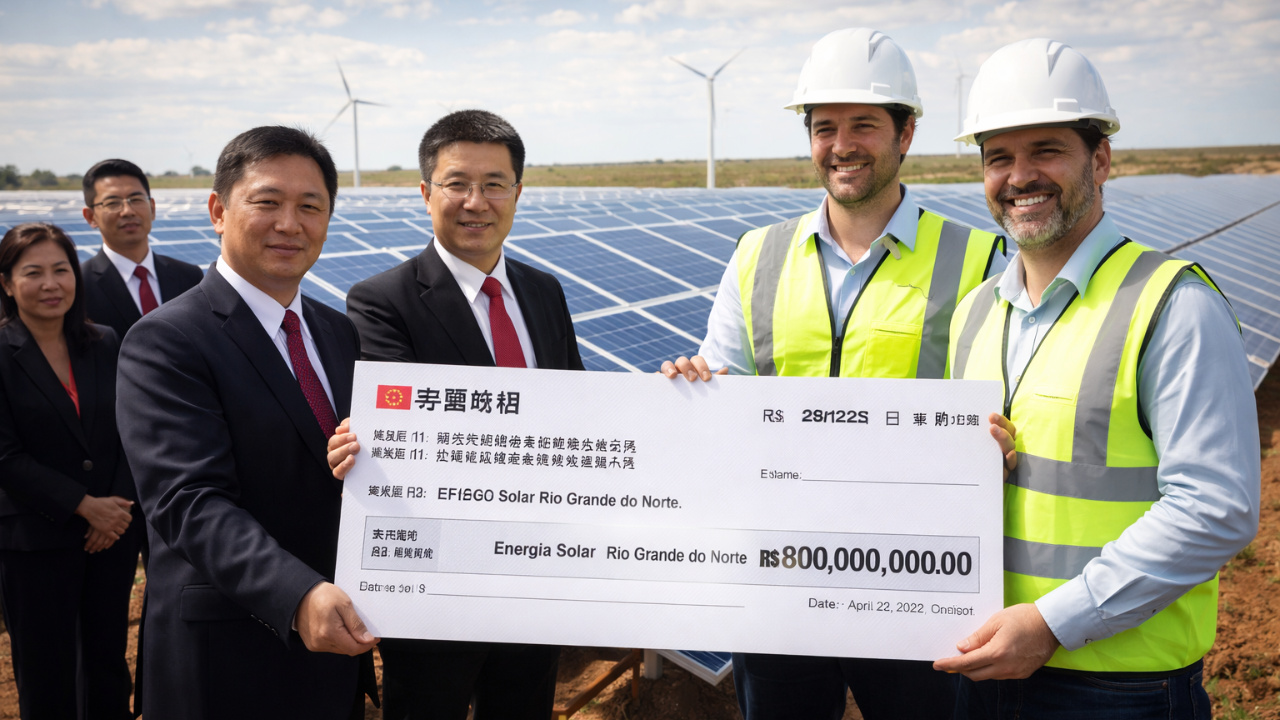
Chinese Group Confirms Investment of R$ 800 Million in Solar Energy in Rio Grande do Norte, with Job Creation and Integration with Existing Wind Farms.
The Rio Grande do Norte will receive a new and significant investment in the solar energy sector. The Chinese group State CPFL Energia confirmed an investment of approximately R$ 800 million for the implementation of photovoltaic generation projects in the state. The announcement was made on Monday (22) during a meeting with the state government, reinforcing RN’s role as a national reference in renewable energies.
The meeting was attended by executives from the group, led by Sun Peng, the Chairman of the Board of the company, as well as representatives from CPFL Renováveis and state authorities. The initiative expands the Chinese conglomerate’s operations in Brazil, now also focusing on solar generation.
Solar Energy Will Be Integrated with Existing Wind Farms
Currently, State Grid, the parent company of the group, has 843.3 megawatts of installed capacity in Rio Grande do Norte. This volume represents about 61% of all the group’s wind generation assets in the country. The new phase of investment marks a stronger entry into solar energy, leveraging the infrastructure already installed in wind farms in the municipalities of Touros, João Câmara, Pedra Preta, and Parazinho.
-
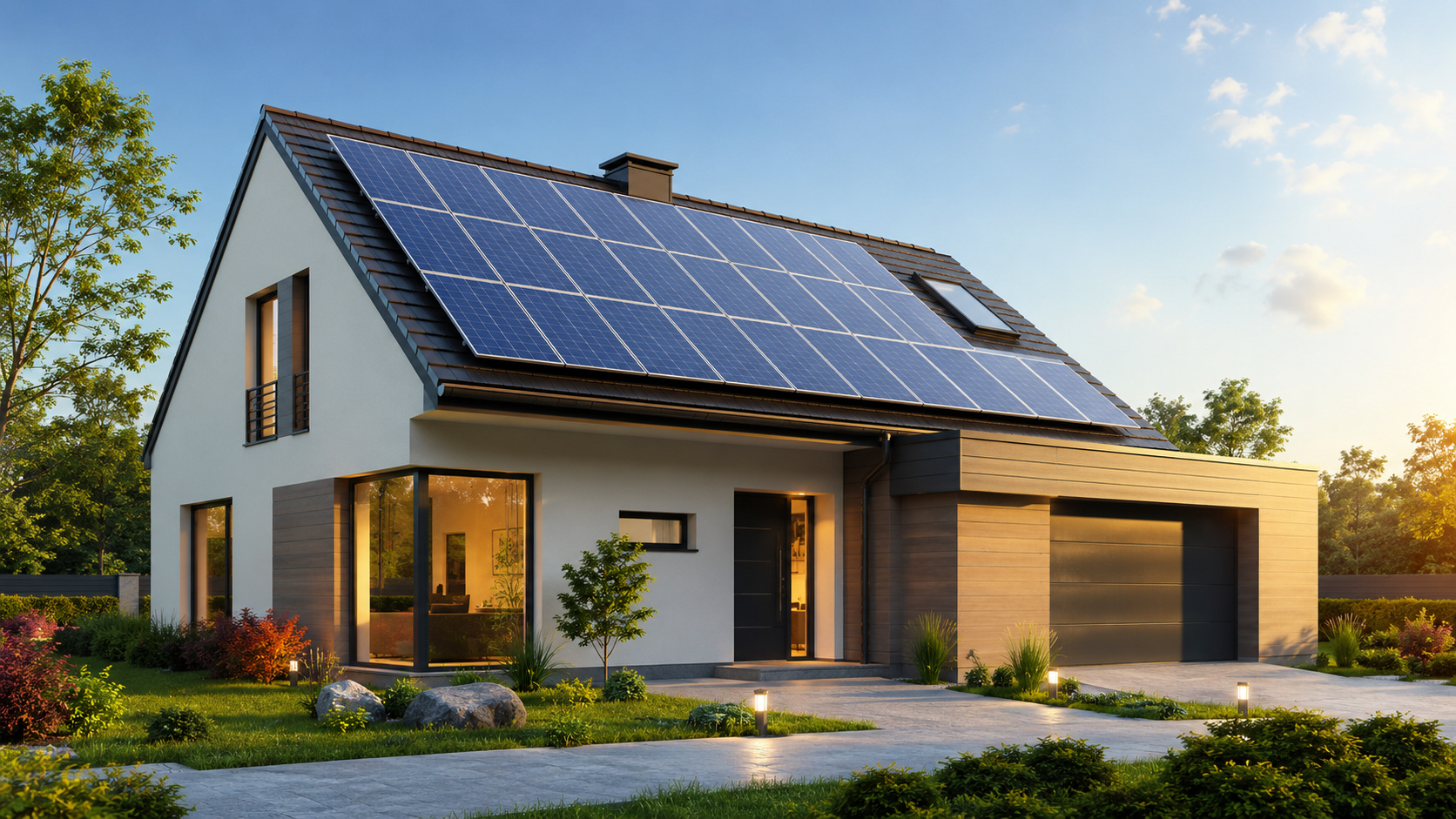
Solar energy can increase property value by up to 10% and become a selling point.

-
Solar and wind energy surpass natural gas for the first time in the world and accelerate energy revolution

-
Africa has about 500,000 cell towers and most still burn diesel to operate, while companies rush to cover antennas with solar energy and avoid signal blackouts.
-
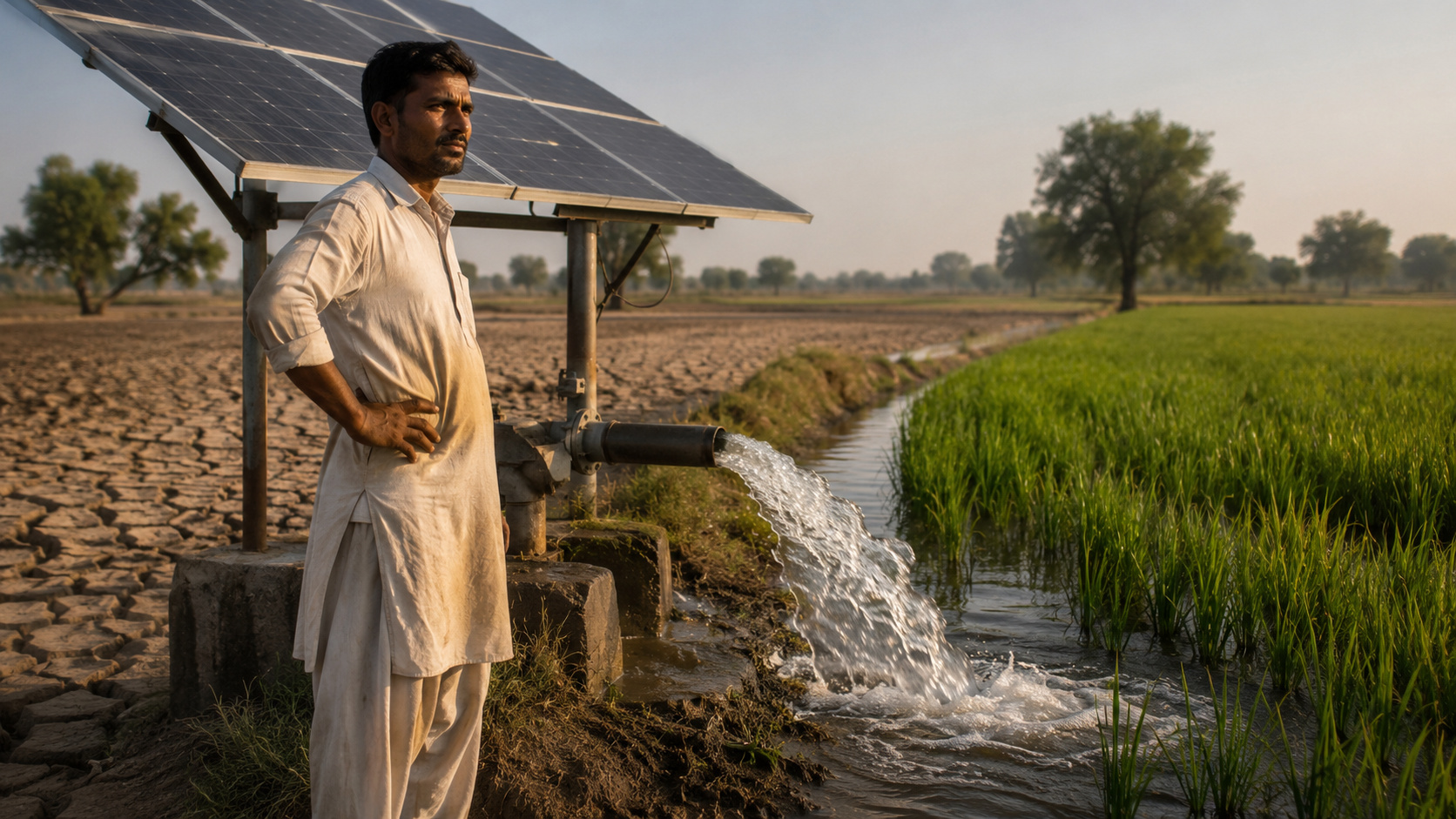
Farmers swapped diesel for solar panels in Pakistan, powered irrigation pumps almost cost-free, expanded rice fields, and now groundwater has become a red alert in the countryside.


The strategy envisions the integration of renewable sources, which tends to optimize land use, reduce operational costs, and enhance energy efficiency. Furthermore, the photovoltaic expansion is expected to create approximately a thousand jobs during the project implementation phase.
Government Highlights Favorable Environment for Renewable Energies
During the meeting, Governor Fátima Bezerra emphasized the strategic role of the state in the energy sector. “These working meetings aim to add, unlock demands, and meet bureaucratic requirements. RN is the greenest State in Brazil, self-sufficient in clean energy and has one of the most important projects in the field of clean energies – the Green Industry Port, which will operate in the area of green hydrogen,” she stated.
The state government sees the expansion of solar energy as a vector of economic development, attracting new investments, and strengthening the productive chain linked to clean energies.
Environmental and Social Compensation Are Part of the Project
Another point discussed at the meeting was the importance of environmental and social compensation actions. The governor highlighted initiatives already carried out by State Grid, such as the project implemented in the Amarelão community in João Câmara. In the location, the Chinese group invested around R$ 8 million in a desalination and water supply system.
Sun Peng agreed with the expansion of these compensatory actions, including new social investments and direct dialogue with traditional and native communities in the areas affected by the solar energy enterprises.
New Rounds of Negotiation Are Expected
At the end of the meeting, it was decided to hold a new meeting in the first half of January. The agenda will bring together company directors and state secretaries to advance the technical and administrative processes necessary for the execution of the projects.
Secretaries from various departments, including Economic Development, Environment, Culture, Institutional Relations, and Infrastructure, as well as directors from state environmental agencies, participated in the meeting. The expectation is that investments in solar energy will further establish Rio Grande do Norte as one of the main hubs of renewable generation in Brazil.






-

1 person reacted to this.